
Summary
Federal prosecutors unsealed an indictment on Dec. 17 in Manhattan alleging that Tricolor Holdings’ founder and then-CEO Daniel Chu and former COO David Goodgame orchestrated a yearslong scheme (2018–September 2025) that propped up the subprime auto lender through double-pledging auto loans and data manipulation to misrepresent collateral quality. The alleged practices helped the company obtain billions from banks and investors, including JPMorgan and Jefferies, before Tricolor’s bankruptcy.
Alongside the indictment, former CFO Jerome Kollar and former finance executive Ameryn Seibold pleaded guilty to fraud. Prosecutors and industry executives say the collapse has rippled through auto finance, tightening credit and undermining trust across lenders, dealers, investors, employees, and customers.
Key allegations
- Double-pledging loans: Using the same receivables as collateral for multiple lenders, inflating borrowing capacity.
- Manipulating performance data: Altering statuses of delinquent or charged-off loans to make them appear eligible for financing pools.
- Overstating collateral quality and value: Enabling larger draws on bank lines and securitizations than assets supported.
- Explaining discrepancies as “administrative errors,” followed by a $6+ million withdrawal by Chu before over 1,000 employees were placed on unpaid leave.
- Conduct alleged to be systemic over multiple years, masking losses and aiding continued fundraising.
How the scheme fit the funding model
Subprime auto lenders originate loans to lower-credit borrowers and finance portfolios with bank credit lines and asset-backed securities. These facilities depend on accurate, daily collateral reporting. If a lender leaves a loan in more than one facility—or mislabels delinquencies and charge-offs—apparent pool quality and borrowing capacity are artificially inflated.
Timeline and parties
- 2018–September 2025: Period of alleged misconduct.
- Dec. 17: Indictment unsealed in Manhattan federal court.
- Guilty pleas: Former CFO Jerome Kollar and former finance executive Ameryn Seibold (details not disclosed).
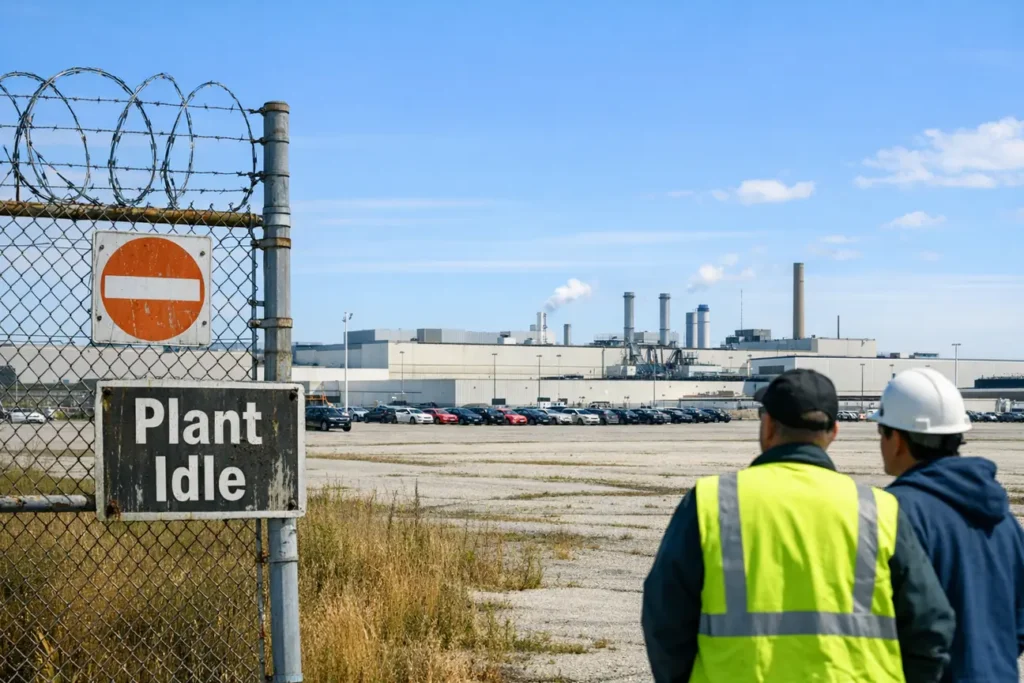
- Operational fallout: 1,000+ employees placed on unpaid leave amid financing collapse.
- Investor impact: JPMorgan recorded a $170 million Q3 write-off tied to Tricolor’s bankruptcy and launched a control review.
- Market commentary: JPMorgan CEO Jamie Dimon cited Tricolor (and auto supplier First Brands) as warning signs after years of easy credit.
Impact across the ecosystem
- Banks and investors: Losses, control reviews, and tighter covenants and reporting requirements.
- Dealers: Delayed approvals, tighter terms, and potential strain on floorplan relationships.
- Consumers: Fewer financing options for lower-credit borrowers and potential cost increases.
- Employees: Rapid workforce reductions amid funding shortfalls.
Market response
- Debt investors reducing exposure to consumer and auto credit segments perceived as weakening.
- Major institutions reassessing collateral scrutiny and internal controls.
Open questions
- Total value of allegedly double-pledged loans remains unspecified.
- Recovery outcomes via collateral sales not detailed.
- Specific mechanisms and third-party systems used to alter data not described.
What’s next
- Chu and Goodgame face the charges in Manhattan federal court.
- Kollar and Seibold await sentencing following guilty pleas.
- Banks and investors continue reviewing exposure, controls, and positions in auto and consumer credit.