

Overview
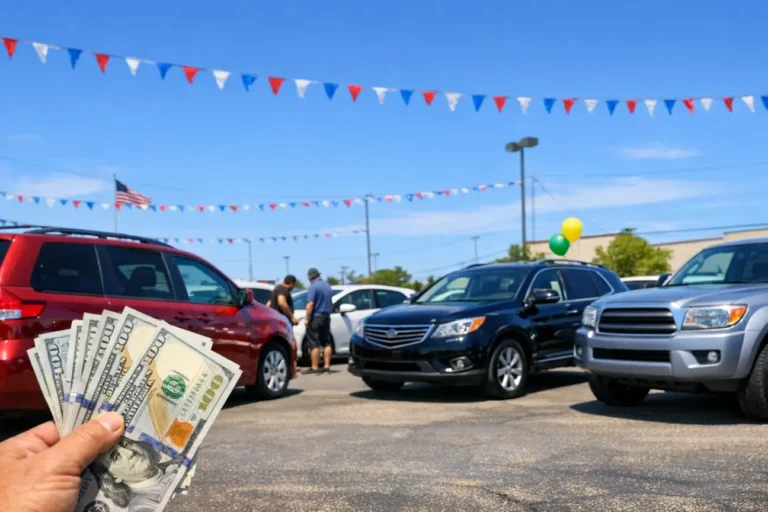
A new S&P Global Mobility analysis says the National Highway Traffic Safety Administration’s draft fuel economy rewrite would reclassify many SUVs, crossovers, and minivans from “light trucks” to “passenger cars,” potentially reshaping compliance math, product plans, pricing, and incentives over several years. The proposal, positioned by the administration as boosting vehicle affordability, also assumes a zero‑dollar penalty for missing targets and does not newly count battery‑electric adoption toward fuel‑economy performance, maintaining current alternative‑fuel compliance pathways.
Key changes in the draft
- Reclassification: Most crossovers, many SUVs (especially unibody), and minivans move to the passenger‑car pool; heavier body‑on‑frame trucks remain light trucks.
- Enforcement: Assumes no monetary fines for non‑compliance, reducing near‑term pressure to meet targets.
- EV accounting: No new crediting for battery‑electric adoption; current alternative‑fuel compliance framework remains.
- Timing: Any affordability impact is unlikely before the 2028 model year, with 2026–2027 programs largely locked.
Implications for automakers
- Harder compliance math in both passenger‑car and remaining light‑truck fleets due to high‑volume utility models shifting pools.
- Greater reliance on model‑mix adjustments, pricing, and targeted incentives to steer demand toward more efficient entries.
- Potential to keep larger ICE models on sale longer given weak enforcement assumptions.
- Possible slowing of EV program cadence if less stringent targets can be met without rapid BEV volume growth.
Implications for dealers
- Treat as a long‑lead change; minimal near‑term inventory relief.
- Tighten ordering mix for SUVs/crossovers; emphasize fuel economy and total cost of ownership in showroom messaging.
- Coordinate closely with OEMs on allocation, incentives, trims, powertrains, and option mixes aimed at improving fleet averages.
- Prepare for more dynamic, compliance‑driven pricing and incentive activity in reclassified segments.
Implications for consumers
- More availability of larger ICE models if enforcement remains lenient.
- Risk of higher operating costs over time if fuel prices rise and ICE maintenance remains higher than EVs.
- Frequent shifts in incentives and pricing for crossovers, SUVs, and minivans as manufacturers manage fleet averages.
Market and affordability context
Even with looser standards, broader forces—incremental safety features, connectivity and software content, and elevated tariffs—continue to pressure transaction prices, potentially limiting affordability gains.
What to watch
- Final rule fidelity: Whether NHTSA maintains the reclassification and zero‑penalty assumptions.
- OEM portfolio moves: efficiency upgrades, trim/powertrain shifts, and targeted incentives in reclassified models.
- Dealer tactics: inventory mix discipline and cost‑of‑ownership marketing.
- EV trajectory: whether reduced compliance pressure slows near‑term investment and adoption.
Bottom line
The proposal is not final, but if adopted, it would create a structural shift that toughens passenger‑car compliance while easing enforcement. Expect extended presence of larger gasoline models alongside intensified use of pricing, incentives, and mix management to meet fleet targets over a multi‑year horizon.