
Overview
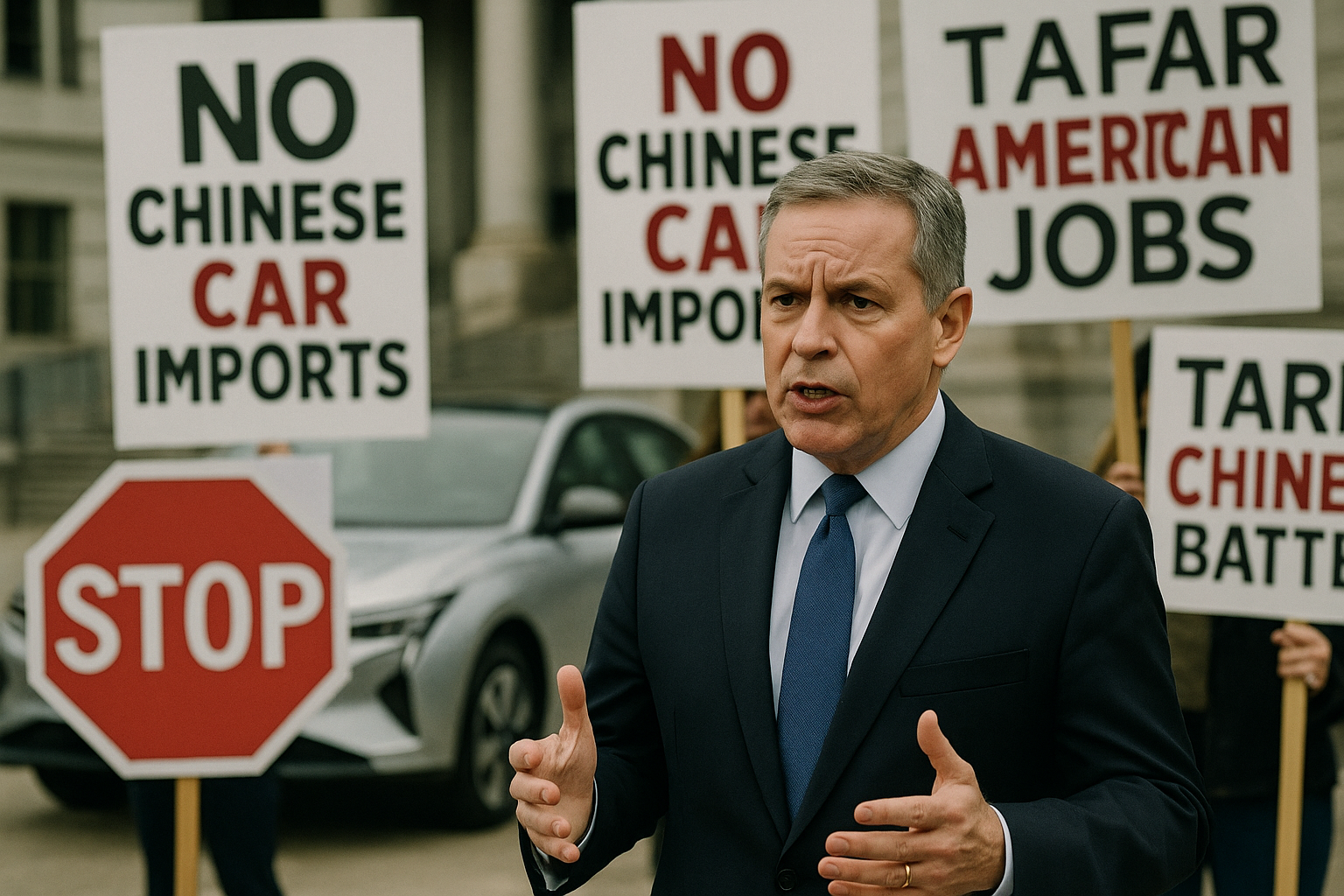
Major automakers represented by the Alliance for Automotive Innovation are urging the Trump administration and Congress to tighten barriers against Chinese-made vehicles and batteries, arguing that China’s state-backed expansion and pricing threaten the U.S. auto industry. The group contends that domestic investment cannot offset China’s subsidies and oversupply, warning of sustained underpricing that could erode U.S. production and profits.
What the industry is asking for
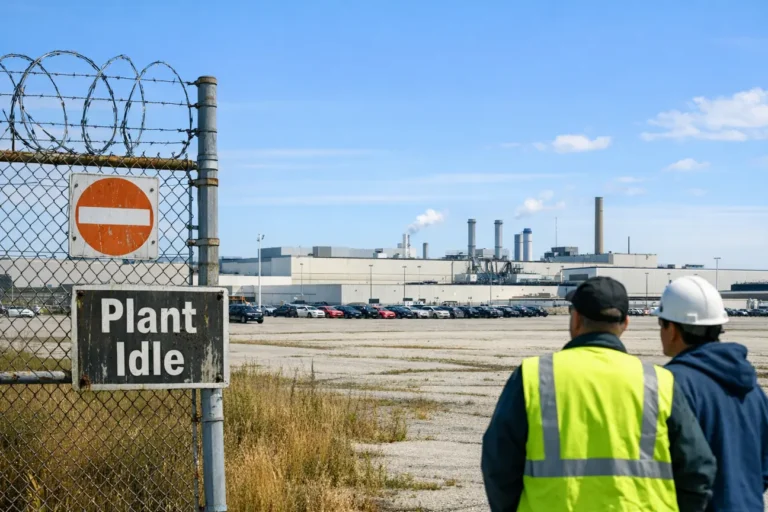
- Block U.S. manufacturing footholds: Prevent Chinese government-backed automakers and battery makers from opening plants in the United States.
- Preserve import restrictions: Keep existing Commerce Department rules that effectively bar imports of China-built vehicles via controls on information and communications technology and services.
Why now
The alliance cites China’s rapid export surge—rising to an estimated 6 million vehicles shipped in the past year—as evidence of pricing U.S. and allied automakers cannot match. Lawmakers like Rep. John Moolenaar point to subsidies, control over raw materials, and a state-directed regulatory model as enabling potential dumping in global markets. The push comes as U.S. automakers face slowing EV demand, high capital costs, and consumer price sensitivity—factors that could clash with efforts to keep lower-cost Chinese vehicles out.
International context
Chinese brands are expanding abroad, with the publication reporting increased activity in Europe as they compete on price and technology against established players [claim]. One example cited is Changan Automobile’s plan to sell two fully electric Deepal SUVs (S05 and S07) in Italy and Spain, with plug-in hybrids targeted for 2026.
In North America, the publication reported that Canada is weighing whether to drop 100% tariffs on Chinese goods to reduce reliance on the United States amid tensions with the Trump administration [claim]. Any Canadian policy shift could reshape regional dynamics given integrated supply chains and cross-border trade.
Implications for the U.S. market
A flood of lower-cost Chinese vehicles could reset price expectations and compress margins across segments, while continued barriers would keep competition focused on products built by established manufacturers in North America. The alliance argues that closing both import channels and potential domestic manufacturing beachheads is necessary to protect U.S. industry.
Policy outlook
With bipartisan hardening on China in strategic sectors, the automotive supply chain remains a focal point for economic and security concerns. Maintaining the Commerce Department restrictions and enacting new limits on Chinese-backed facilities in the U.S. would require legislation or rulemaking, likely inviting legal and diplomatic challenges. Moves by allies—especially Canada and European partners—could influence U.S. decisions and corporate strategies on production, sourcing, and pricing.
For now, the alliance is pressing on two fronts: preventing Chinese state-backed auto and battery companies from establishing U.S. manufacturing bases, and keeping existing import controls intact. The outcome will shape competitive parameters at a time when affordability pressures, technology transitions, and global trade frictions are converging.