
Summary
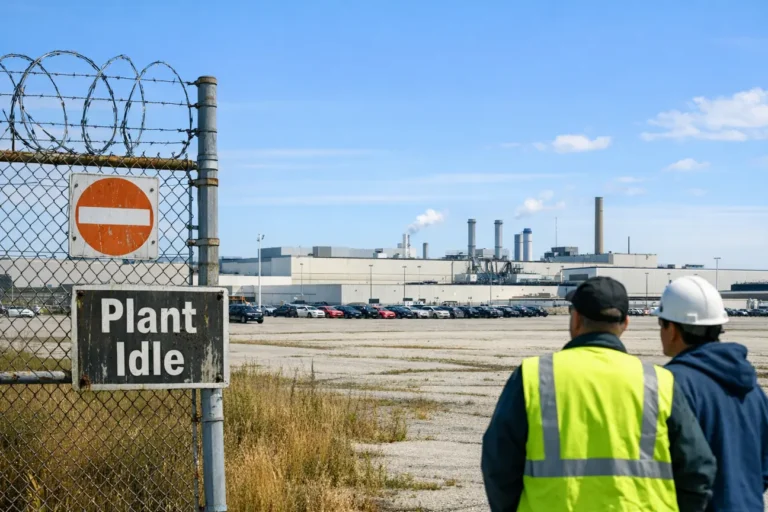
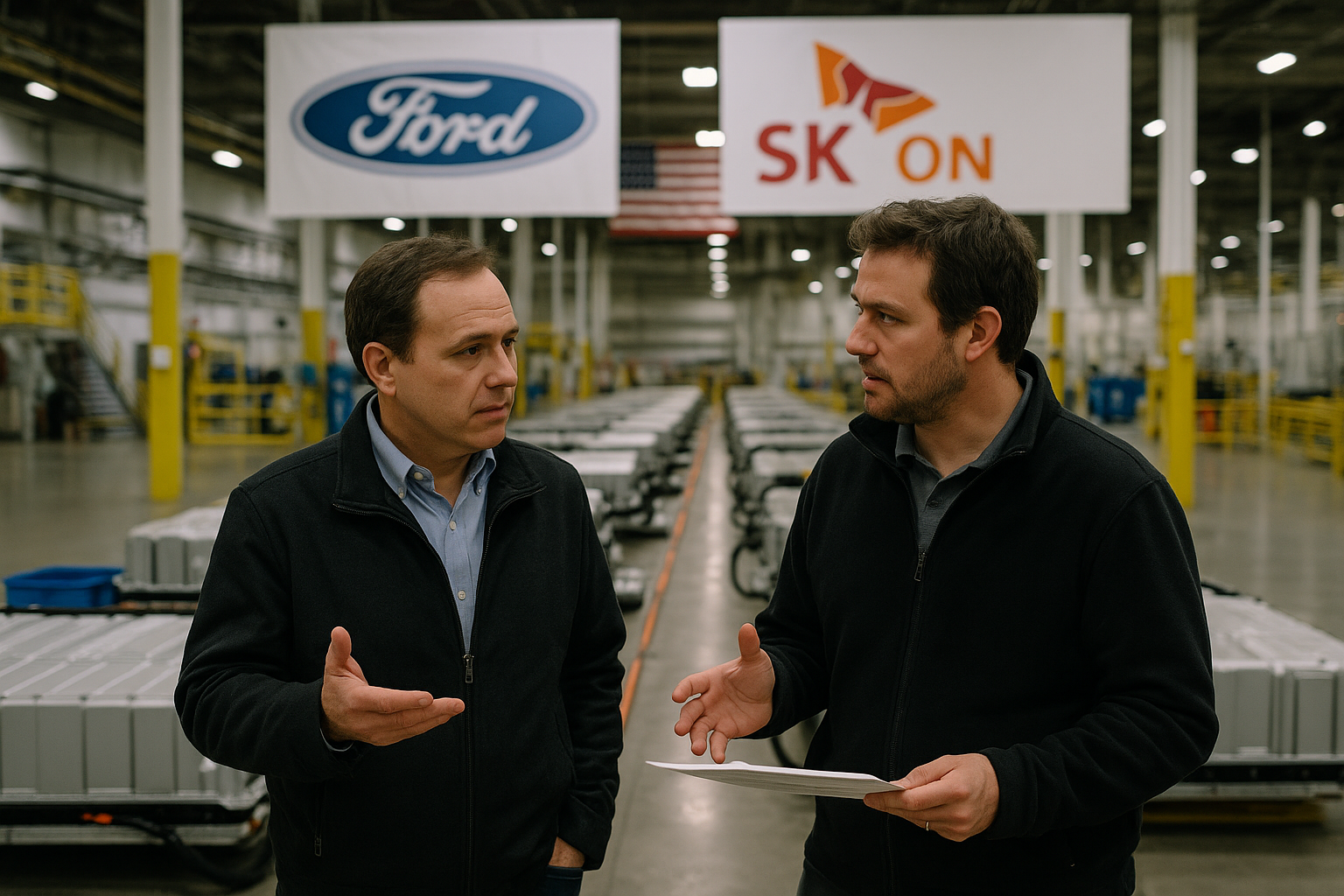
The U.S. Department of Energy will restructure and reduce a loan of up to $9.6 billion after Ford Motor Co. and SK Innovation’s SK On agreed to dissolve their electric-vehicle battery joint venture, effectively ending BlueOval SK. The financing changes aim to lessen taxpayer exposure and accelerate repayment, with Ford reportedly cooperating to speed payback.
Who owns what now
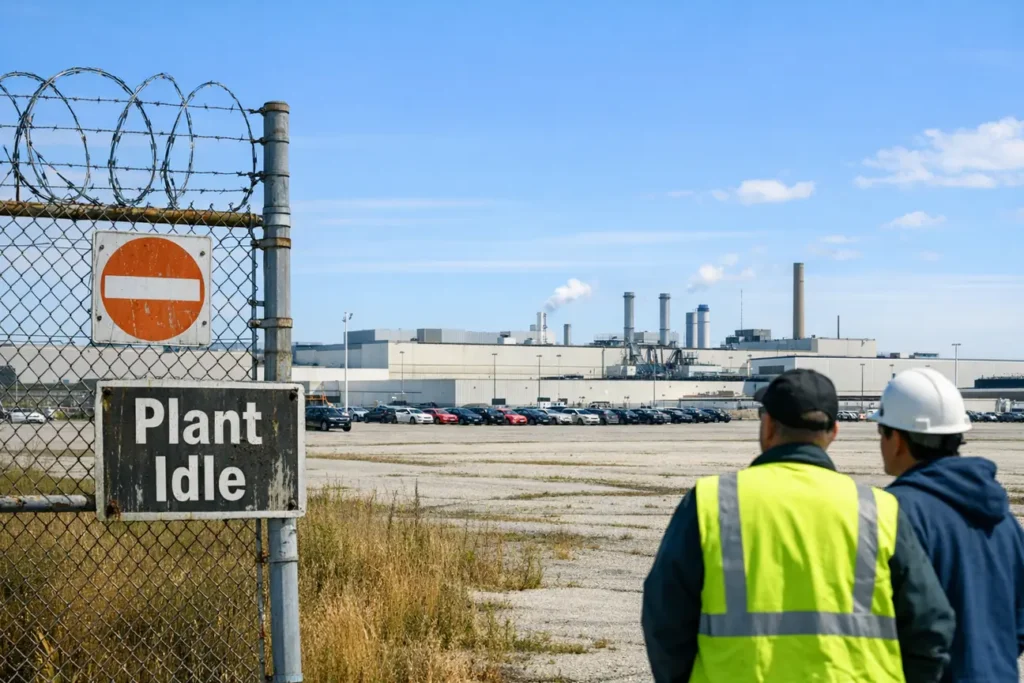
- SK On: full ownership of the Tennessee battery plant (pre-production).
- Ford: control of both Kentucky battery plants (one is already operational).
The companies will operate these facilities independently rather than through a joint venture.
Loan restructuring
The original loan, finalized under a prior administration to support the Tennessee and Kentucky projects, will be scaled back and revised to reflect the new ownership structure. This move signals a federal push to align public financing with changing project risks, ownership, and execution, while aiming to quicken repayment.
Why it matters
- Industry headwinds: higher costs, complex supply chains, and slower-than-expected EV demand growth.
- Ford’s EV finances: a reported pre-tax loss of $5.1 billion in 2024 and a warning that the deficit may widen in 2025, reflecting heavy capital spending and ramp-up costs.
- Risk management: reduced federal loan exposure if production ramps lag or market conditions worsen.
Operational implications
- Direct control: each company gains clearer authority over budgets, timelines, and manufacturing choices at its sites.
- SK On focus: responsible for bringing the Tennessee plant into production and aligning output with customers.
- Ford focus: sets cell-capacity priorities for the Kentucky plants to support its EV lineup without JV coordination.
Policy context and claims
The article links outcomes to shifting policy. It claims President Donald Trump eliminated EV purchase incentives and eased fuel-economy and emissions standards. Note: federal EV consumer tax credits have remained in place under recent law, though eligibility rules and related standards have evolved; policy directions may continue to change and can materially affect program economics.
What to watch next
- SK On’s ramp and milestones at the Tennessee plant.
- Ford’s utilization, cost control, and output at the Kentucky facilities.
- Details of the revised DOE loan amount and repayment schedule.
- Further market and policy shifts that influence U.S. battery manufacturing plans.