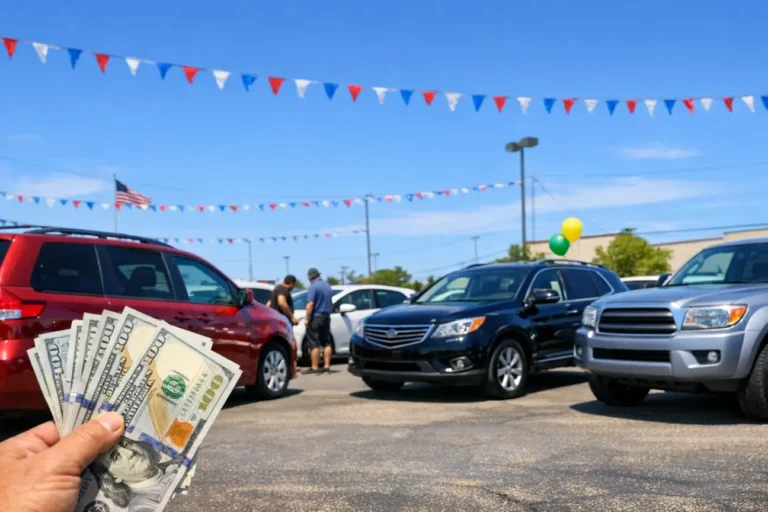


CarGurus’ 2025 Recap and 2026 Outlook finds U.S. shoppers aggressively chasing lower payments, shifting demand toward compacts, hybrids, and older used vehicles. Affordability pressures—driven by ownership costs outpacing inflation—reoriented both consumer behavior and dealer inventory strategies, with value-focused used cars carrying most of the market’s growth.
Key trends in 2025
- Total cost of ownership outpaced inflation since 2019, pushing buyers to value segments.
- Used retail sales rose roughly 8% year over year as shoppers prioritized payment and price.
- Hybrids emerged as a “sweet spot” for fuel savings without EV price premiums; Toyota led hybrid shopper interest in both new and used.
- Compacts gained attention as buyers traded space/features for lower monthly payments and fuel costs.
Shopper timing drivers
- Tariffs influenced when, more than what, people bought—sales were strong through midyear as purchases were pulled forward, then cooled in October–November.
- The end of the federal EV tax credit redirected price-sensitive shoppers from fully electric to gas-electric hybrids.
Inventory shifts
- Vehicles aged 3–5 years lost share, squeezed by newer lease/fleet returns on one side and older, lower-priced cars on the other.
- Listings of 6–10-year-old vehicles reached a significantly higher share than in 2019.
- Inventory of vehicles ≤3 years old remains about 9% below pre‑pandemic levels, nudging shoppers toward well-reconditioned older stock.
What dealers should do
- Lead with affordability and fuel efficiency in stocking, pricing, and merchandising.
- Carry more compact cars and highlight hybrids across price tiers.
- Deepen sourcing of 6–10-year-old used vehicles; invest in reconditioning and transparent listings (photos, inspection reports, condition-based pricing).
- Stay agile on mix and monitor tariff/incentive policy to adjust quickly if demand pulls forward again.
2026 outlook
CarGurus expects affordability and fuel efficiency to remain primary shopper drivers. Policy changes (tariffs, incentives) may continue to shift purchase timing with little notice, while elevated ownership costs are unlikely to revert quickly—favoring efficient models and value-heavy used inventory into 2026.
By the numbers
- Overall inflation since 2019: ~26%.
- Total cost of ownership: new +~29%; used +~36% since 2019.
- Used retail sales: ~+8% YoY through 2025.
- Near-new (≤3 years) inventory: ~9% below pre‑pandemic.