

Summary
U.S. auto retail faced a volatile week shaped by potential tariff changes with South Korea, a widespread dealership data breach, an expected rollback of federal fuel-efficiency standards, softening sales, and a sharp drop in car-buying satisfaction. These developments carry near-term implications for pricing, inventory, cybersecurity posture, and store workflows heading into year-end.
Key developments
- Tariffs: South Korea advanced a bill tied to a reported $350 billion U.S. investment pledge; the article claims this would reduce tariffs on U.S. autos to 15% starting Nov. 1 and facilitate cuts on vehicles and parts.
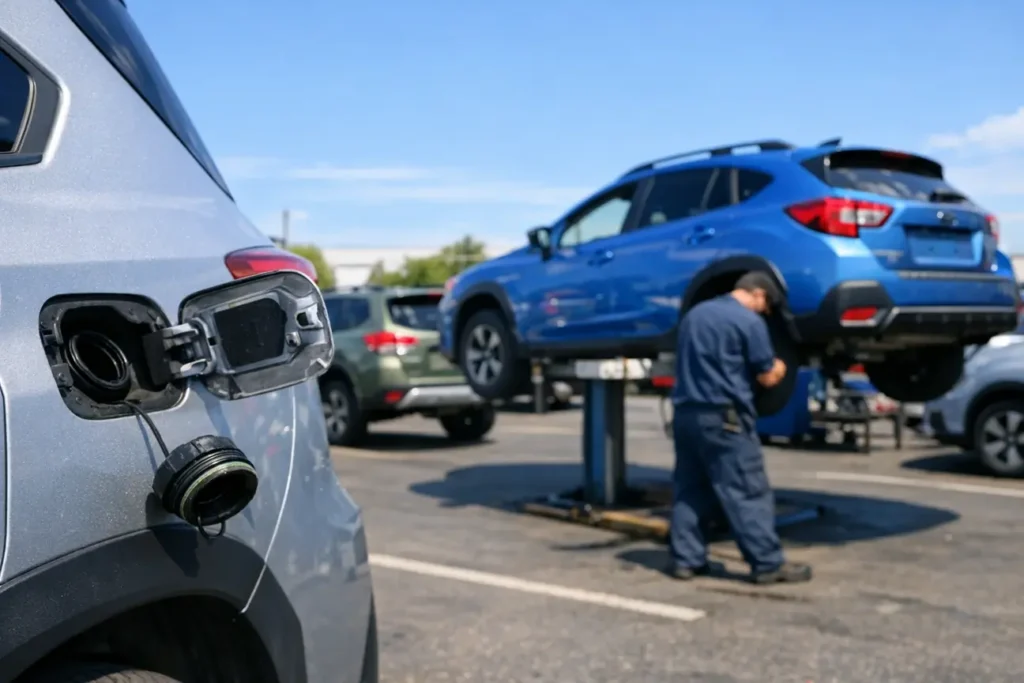
- Fuel-efficiency rules: The Trump administration is expected to announce less stringent federal fuel-efficiency standards at an event Wednesday, reversing course from Biden-era rules. Senior leaders from Stellantis, GM, and Ford are reportedly attending.
- Cybersecurity breach: 700Credit disclosed cyberattacks from late October impacting nearly 18,000 dealerships and about 5.6 million customers. Exposed data reportedly includes names, addresses, Social Security numbers, and employment details. The article also claims 700Credit is the largest provider of such services in the dealership space.
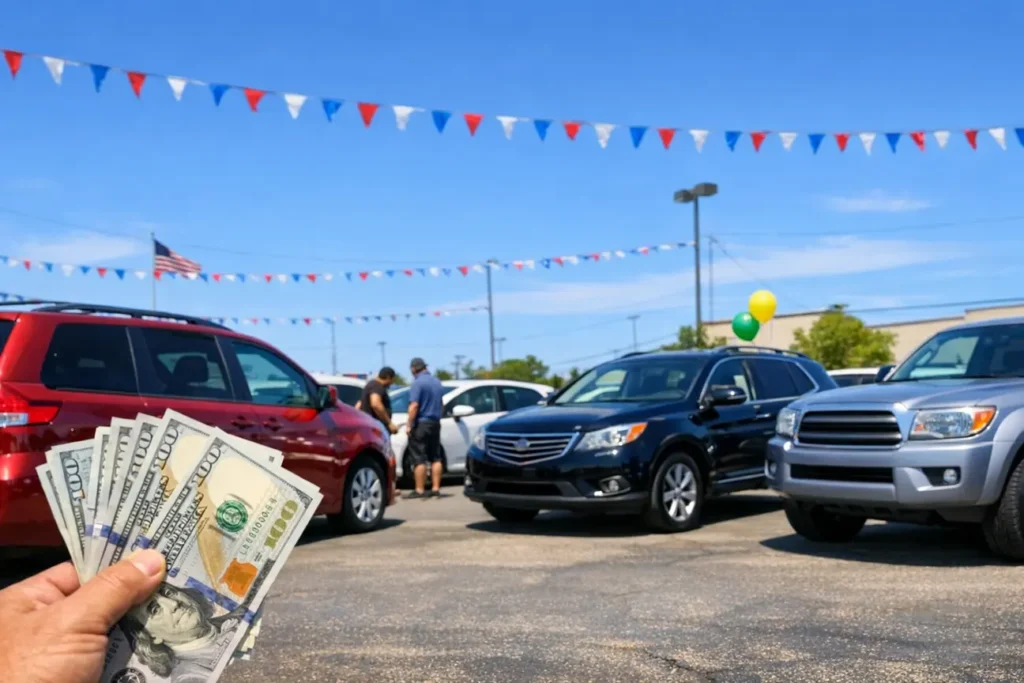
- Sales: November SAAR registered 15.6 million, down 5.5% year over year, but up from October’s 15.3 million. This marked a second straight monthly YoY decline.
- Customer experience: CDK’s Ease of Purchase score fell to 66% in November, down from 85% in October and 89% in September—its first drop below 70% in more than three years.
Implications for retailers and OEMs
- Pricing and sourcing: If the South Korea tariff changes materialize as reported, landed costs for select imports and parts could shift, influencing MSRPs and repair economics.
- Regulatory strategy: A looser efficiency standard may reduce near-term compliance costs and alter product mix, marketing, and allocation strategies.
- Cyber risk: The 700Credit incident highlights systemic exposure from centralized providers, likely prompting regulatory notifications, investigations, and tighter vendor oversight.
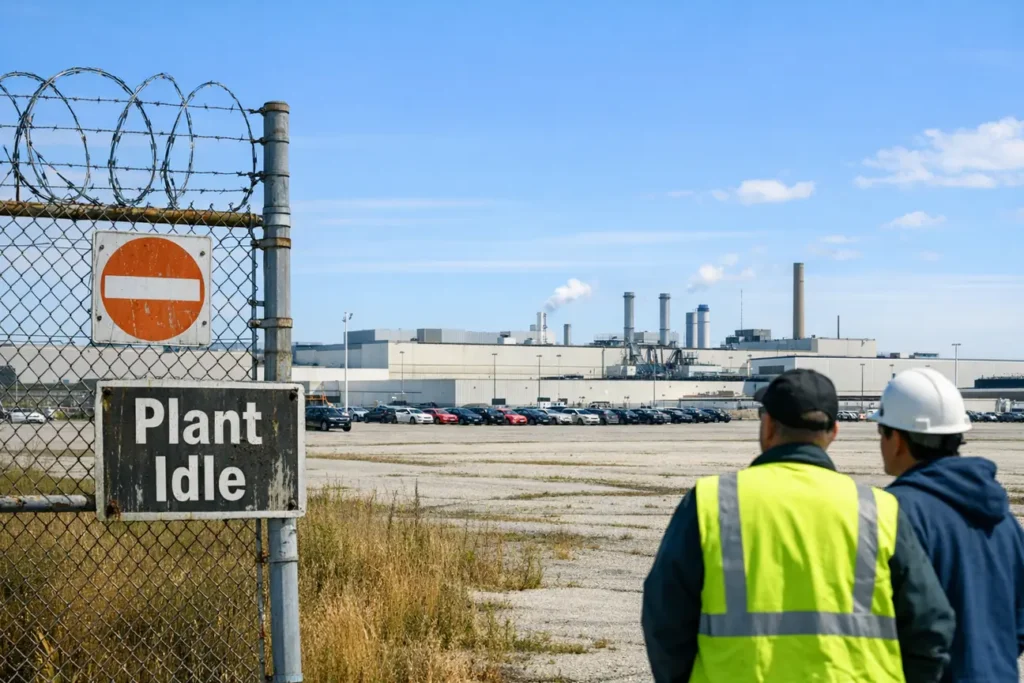
- Demand management: Earlier pull-ahead buying (EV incentives and tariff expectations) appears to be creating a year-end trough, pressuring inventory turns and incentive planning.
- Retail execution: The sudden satisfaction decline suggests friction in pricing, financing, inventory mix, or in-store workflows, with potential impacts on close rates and loyalty.
What to watch next
- Details and timing of the White House fuel-efficiency announcement and automaker responses.
- Clarity and confirmation on South Korea’s tariff step, covered product categories, and effective dates.
- Further disclosures from 700Credit on remediation, affected parties, and customer protections.
- December sales performance and any rebound in purchase satisfaction as promotions ramp up.
Immediate actions to consider
- Coordinate with compliance counsel and 700Credit for required notices; prepare customer support scripts and offer credit monitoring where applicable.
- Review vendor risk management, MFA enforcement, data minimization, and incident response playbooks; retrain staff on phishing and data handling.
- Reassess pricing and incentive levers given softer demand; align inventory mix to near-term allocation and policy shifts.
- Streamline F&I workflows and set transparent expectations on financing and availability to stabilize satisfaction scores.
- Scenario-plan for tariff and fuel-rule outcomes to adjust sourcing, marketing, and model emphasis quickly.