
Overview
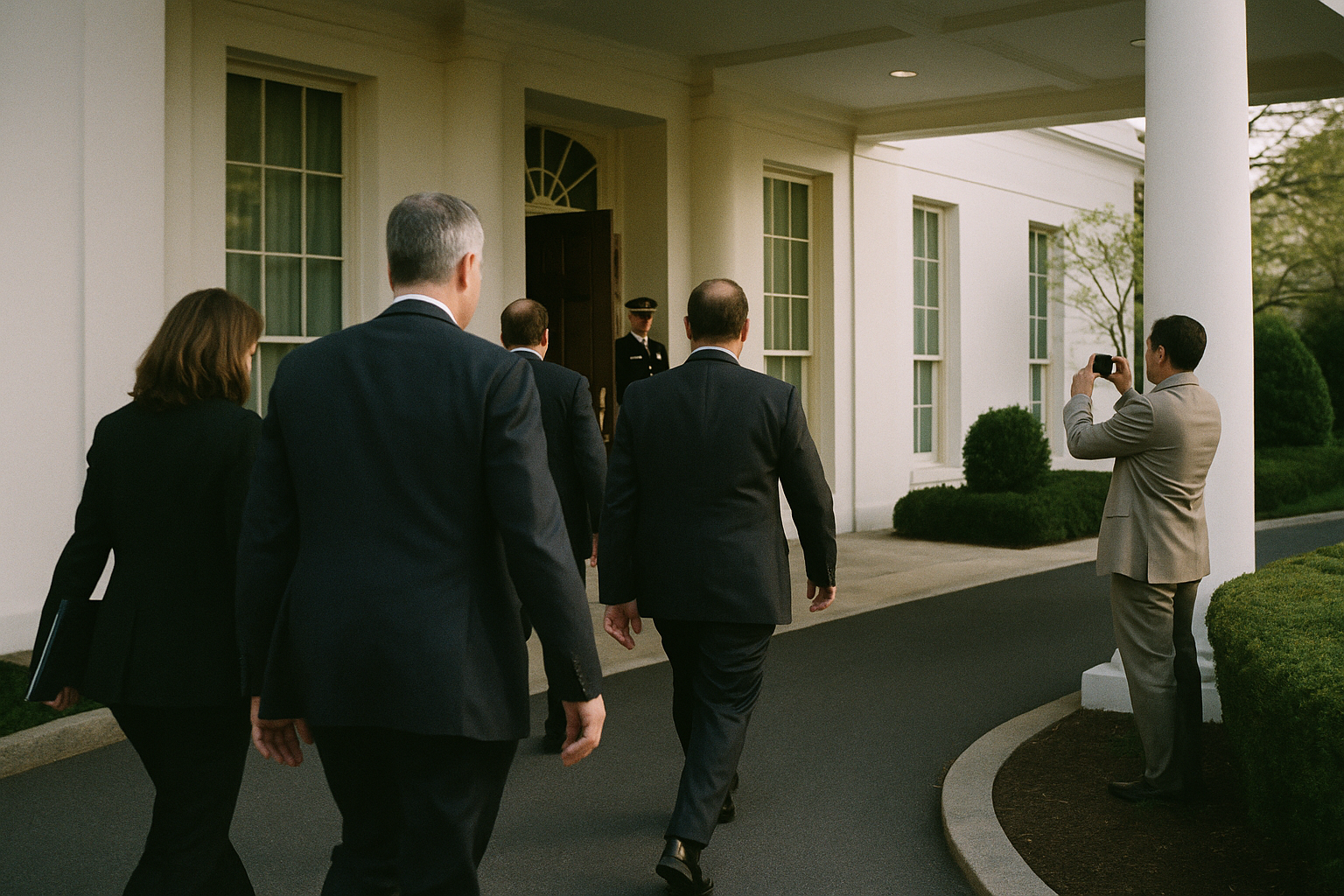
President Donald Trump announced a National Highway Traffic Safety Administration proposal to overhaul federal Corporate Average Fuel Economy standards during an Oval Office event attended by industry leaders, dealers, and members of Congress, according to the National Automobile Dealers Association (NADA). The White House and Transportation Department have not yet released the proposal’s text, and no Federal Register notice was available at the time of NADA’s summary (not yet public).
Who attended
- NADA Chairman Tom Castriota
- Transportation Secretary Sean Duffy
- Sen. Bernie Moreno (R-Ohio) and Sen. Ted Cruz (R-Texas)
- Ford CEO Jim Farley and Stellantis CEO Antonio Filosa
What NADA says the proposal aims to do
NADA describes the proposal as revamping fuel-economy rules beginning with model year 2022 and seeking a balance between continued efficiency gains and vehicle affordability (claim).
- Provide automakers greater flexibility to meet requirements via a wider range of technologies and vehicle strategies (claim).
- Support a “diverse array of technologies,” though without specifying which or how they would be credited (claim).
- Preserve consumer choice and keep new vehicles within reach for buyers (claim).
Process and timing
Any NHTSA rule change would go through the standard federal rulemaking steps: a notice of proposed rulemaking, a public comment period, and a final rule with compliance timelines. NADA indicates review and finalization could take several months.
NADA’s summary places the proposal’s start at model year 2022, which would be unusual timing for an announcement in late 2025; the association did not address this timing discrepancy, and the regulatory text has not been released.
CAFE context
CAFE standards, administered by NHTSA within the Department of Transportation, set fleetwide fuel-economy targets for passenger cars and light trucks. Automakers comply on an average basis across their fleets and can use credits or face penalties. CAFE operates alongside EPA greenhouse gas rules, and automakers typically plan for both together.
Industry and dealer implications
Dealer groups track fuel-economy policy because changes can affect product planning, pricing, and inventory. Higher standards often require added technologies, shifts in model mix, or new vehicles—impacts that can influence sticker prices and availability. NADA’s position emphasizes affordability and consumer choice while maintaining progress on efficiency (claim).
What’s next
Stakeholders will watch how NHTSA defines flexibility and compliance pathways once the proposal is published. The public, industry groups, and advocates will have an opportunity to comment before a final rule is issued.