

Summary
Nexperia publicly urged its China unit to restore supply flows after failed private outreach, warning that customers across sectors are preparing for immediate production halts due to component shortages. The appeal follows months of escalating tensions over control of the Dutch chipmaker and export bottlenecks that have snarled shipments of essential semiconductors used widely in automobiles and other electronics.
Wingtech Technology, Nexperia’s Chinese parent, rejected the claims, asserting that disruptions stem from what it calls unlawful moves by the Dutch government that undermined its shareholder rights. While authorities in the Netherlands say they have paused their intervention and Chinese officials have signaled willingness to facilitate exports, operational bottlenecks persist.
Why it matters
- Nexperia makes foundation chips—transistors, diodes, and power management components—ubiquitous, specialized parts that power almost every electronic device.
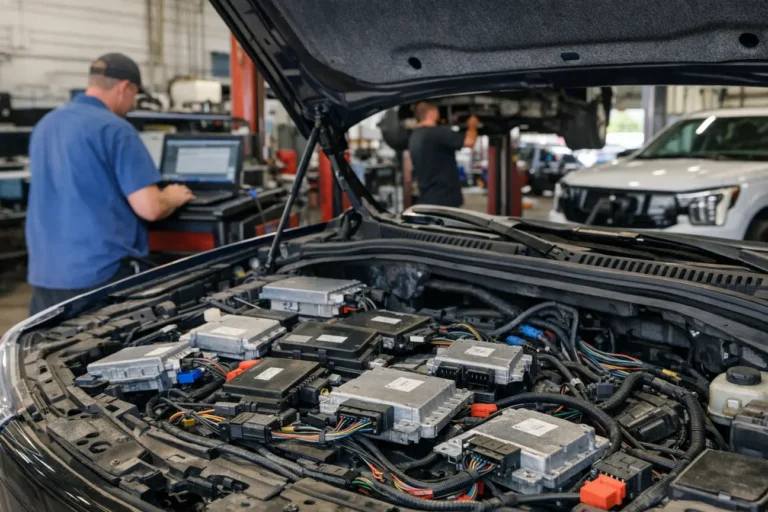
- Automotive systems rely on thousands of these components; switching to alternatives at scale is slow due to qualification and safety requirements.
- Europe’s supply chain straddles geopolitical fault lines, increasing exposure to policy and ownership disputes.
What each side says
- Nexperia (Netherlands): Customers face imminent stoppages; urges China unit to rapidly restore established export flows; says previous attempts at quiet resolution went unanswered.
- Wingtech (China): Calls Nexperia’s letter misleading; blames Dutch actions for depriving control; accuses efforts to “de-China-ize” the supply chain and sideline Chinese operations.
- Governments: The Netherlands invoked a Cold War–era law in September to take control of Nexperia, reportedly after U.S. security concerns; Beijing then restricted exports of Nexperia products. The Dutch government has since suspended its intervention, but talks to normalize operations are ongoing.
Impact so far
- Disrupted Europe–China flows: chips made in Europe are typically assembled/tested in China and re-exported; that model remains impaired.
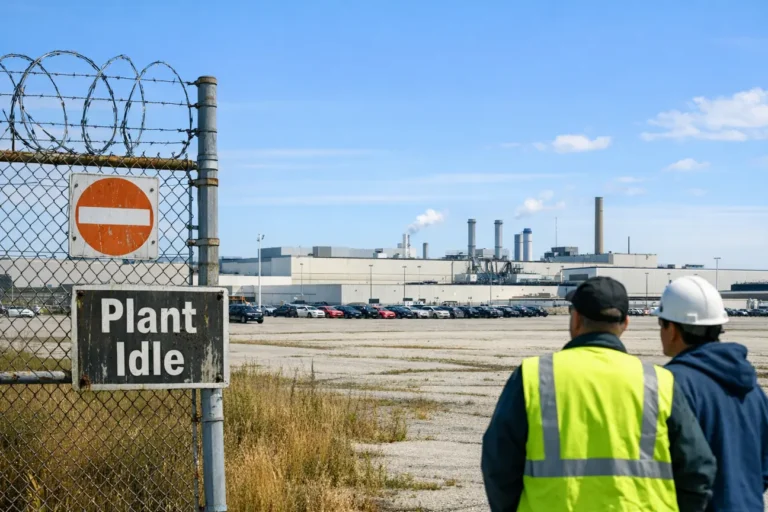
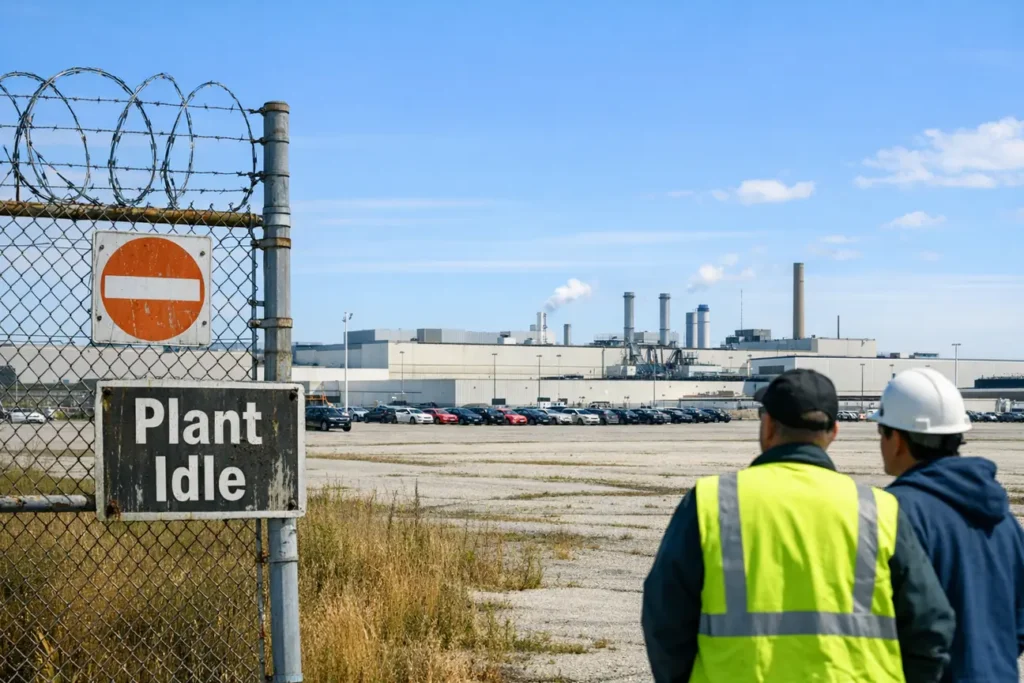
- Automakers and suppliers are scrambling for substitutes to avoid shutdowns; warnings have come from companies including Nissan and Bosch.
- Germany’s VDA says production has held up through “intensive efforts,” but availability remains uncertain and risks are particularly elevated in Q1 2026.
Supply chain mechanics
Nexperia’s production relies on wafers and front-end processing in Europe, followed by assembly and testing in China and subcontractor sites. Current frictions affect both finished components and wafer shipments feeding China-based operations, amplifying delays through the chain.
Outlook and risks
Analysts describe a fluid situation with limited visibility on when exports will normalize. The combination of legal ownership disputes and export approvals risks prolonging shortages. Given the specialized nature of foundation semiconductors, even short disruptions can translate into assembly slowdowns across the automotive sector heading into 2026.
What to watch next
- Concrete resumption of exports from Nexperia’s China facilities and subcontractors.
- Resolution of corporate control and governance between Nexperia B.V., Wingtech, and Dutch authorities.
- Automakers’ qualification of alternative components and any announced production cuts.
- Policy signals from the Netherlands, China, and allies that could ease or tighten cross-border flows.
- Stability of wafer shipments from Europe to Chinese assembly and test operations.
Bottom line: Government-level talks have eased some pressure but not restored routine logistics. Unless exports and wafer flows resume promptly, the risk of cascading production interruptions—especially in autos—will remain elevated into 2026.