
Overview
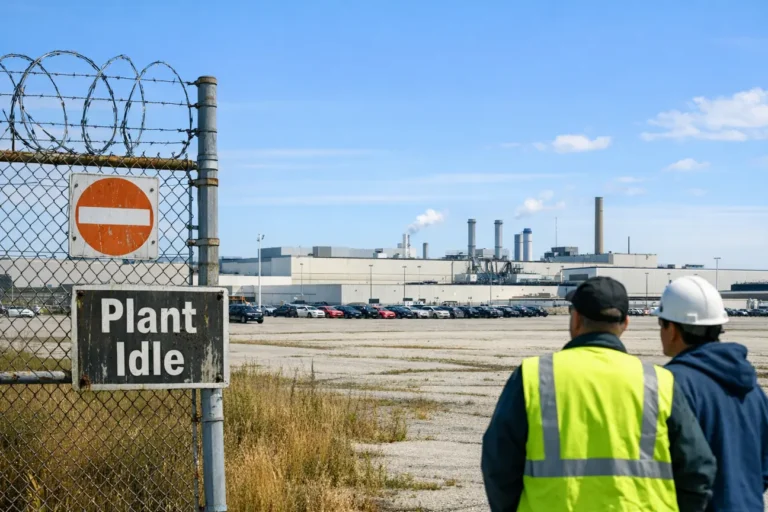
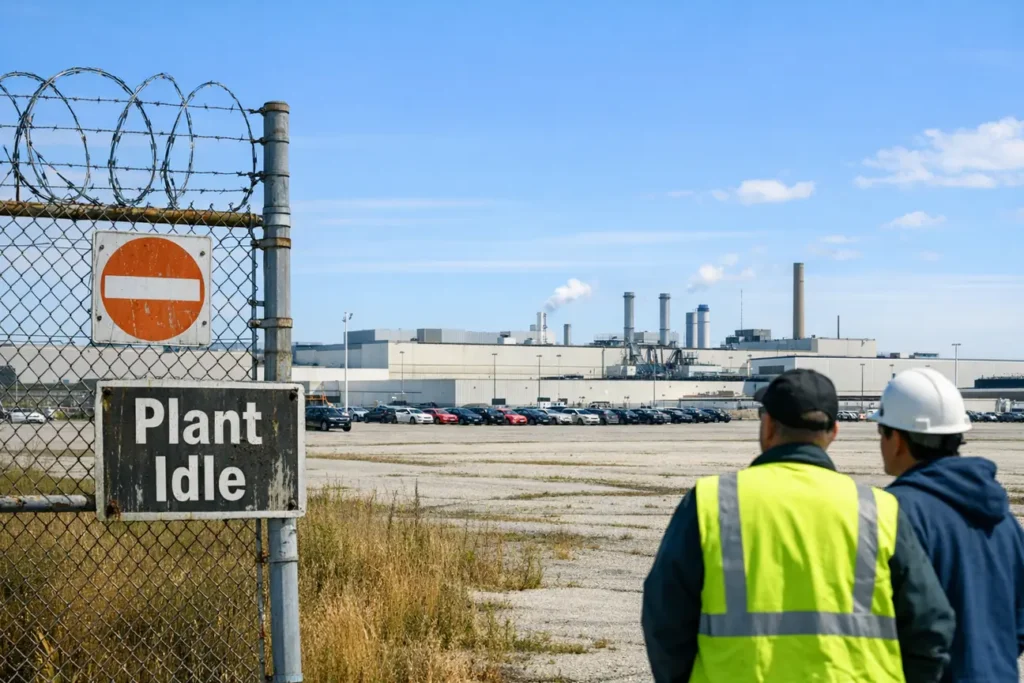
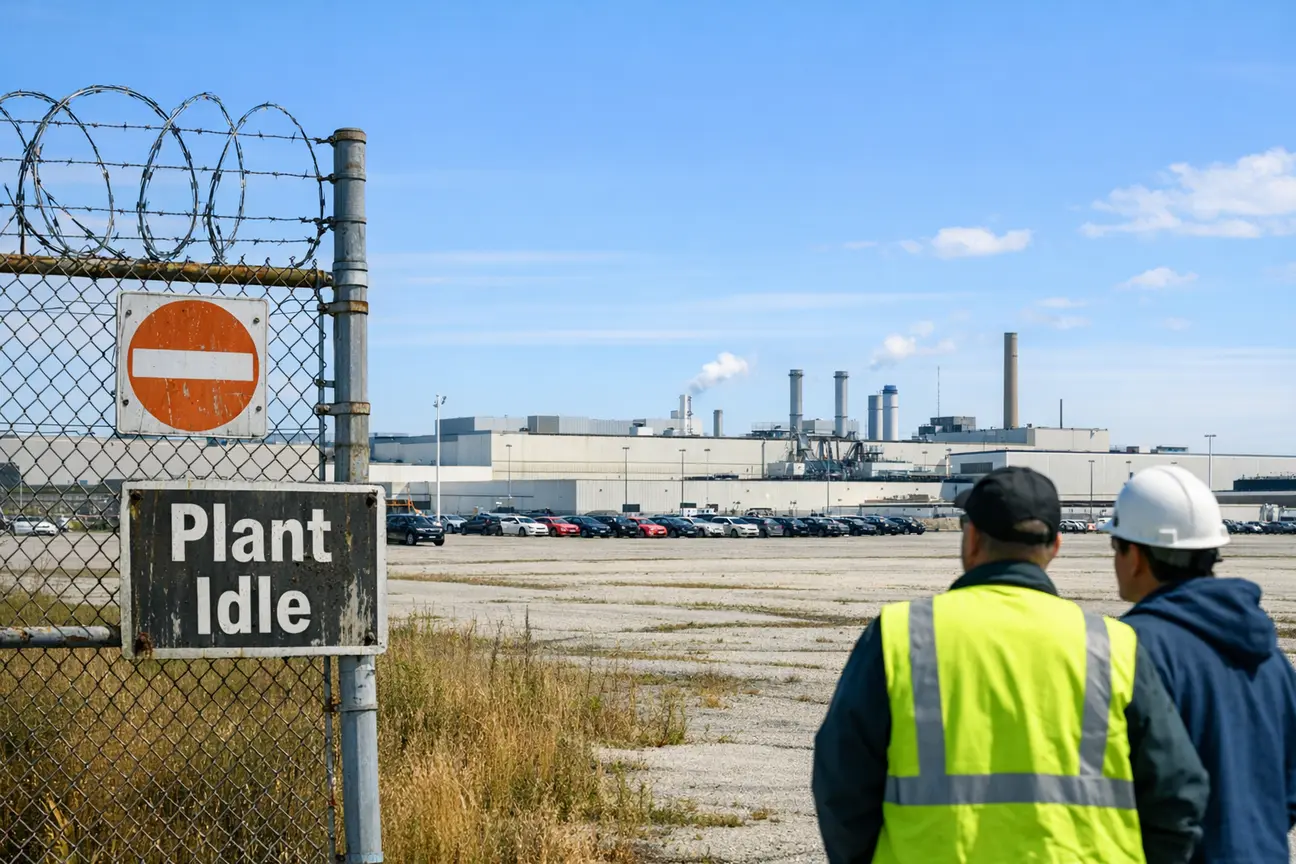
Brampton, Ontario, has rezoned the Stellantis Brampton Assembly Plant property to allow vehicle production only, aiming to pressure the automaker to assign new product to the idled site and preserve roughly 3,000 unionized jobs.
What changed
- The City Council voted unanimously on Feb. 25 to restrict the site to automotive manufacturing and related uses, replacing its prior general industrial zoning.
- The narrower zoning is meant to remove incentives for residential or commercial redevelopment and keep the land tied to auto manufacturing.
- City leaders positioned the move as leverage to encourage Stellantis to restart operations.
How we got here
- The plant long produced Dodge Chargers, Challengers, and the Chrysler 300; production of Charger/Challenger ended in December 2023 as Dodge prepared a redesigned Charger (including an electric version) and shifted assembly to Windsor.
- Stellantis had planned a two-year retooling for the next-generation Jeep Compass at Brampton, but the plan stalled.
- The company halted all work at Brampton in February 2025 and, by October 2025, opted to build the U.S.-market Compass in Belvidere, Illinois, in response to tariffs on imported vehicles implemented by the Trump administration; U.S. production isn’t expected until late 2027.
- Stellantis is already producing the third-generation Compass in Italy for Europe.
Stakeholder positions
- Mayor Patrick Brown said the land is “for auto jobs,” signaling no appetite for non-industrial redevelopment (as reported by Automotive News).
- Unifor Local 1285 President Vito Beato welcomed the change as protection for the plant and a sign of hope that Stellantis will “step up.”
- Stellantis stated it shares the city’s interest in keeping the site for automotive manufacturing, emphasizing that protecting good manufacturing jobs is a priority and that it is actively evaluating future product opportunities for a sustainable, long-term commitment.
Why it matters
The decision underscores significant economic stakes for Brampton and its supplier network. Keeping the parcel dedicated to auto manufacturing seeks to protect high-quality industrial employment and limit speculative redevelopment pressure.
What to watch next
- Whether Stellantis assigns a new vehicle to Brampton and provides a timeline to restart production.
- How trade policy, market demand, supply chains, and capital costs influence Stellantis’s broader North American manufacturing footprint.
For now, the plant remains idle, no new product has been announced, and about 3,000 unionized jobs hang in the balance. City leaders, labor, and Stellantis all publicly back preserving auto manufacturing at the site, but specifics and timing remain unclear.