

Overview
The National Association of Motor Auctions (NAMA) has launched a Data Deletion and Privacy Protection Certificate to standardize how personal data is wiped from used cars and vans before they change hands. Backed by the Vehicle Remarketing Association (VRA) and announced on Feb. 24, the program sets expectations for procedures, auditability and reporting, operational workflows, and governance aligned with UK GDPR.
Why it matters
- Modern vehicles retain personal information when drivers sync phones or use in-car services, including navigation histories, call logs, synced contacts, and messages.
- According to the VRA’s legal counsel, organizations handling returned vehicles (rental, leasing, fleet, remarketing) become data controllers for any personal data stored in them and risk unlawful processing and personal data breaches if they fail to delete it before handover.
- An industry-standard approach helps reduce variability and the risk of UK GDPR noncompliance across a fragmented used-vehicle marketplace.
What the certificate covers
- Clear expectations for data-deletion procedures that work across makes and models.
- Documented, repeatable workflows at each vehicle handoff point to ensure consistent clearing of data.
- Evidence trails (what was done, when, and by whom) to demonstrate compliance during audits or regulatory inquiries.
- Governance aligned with UK GDPR: assigning responsibility, training staff, and maintaining auditable records.
Who is involved
- NAMA: Initiating the certificate as an industry-wide standard for used cars and vans.
- VRA: Supporting the initiative and signaling sector-wide alignment.
- Privacy4Cars: Named the first approved supplier after assessment; its platform met requirements for consistent, verifiable removal of personal and sensitive in-vehicle data.
Operational impact
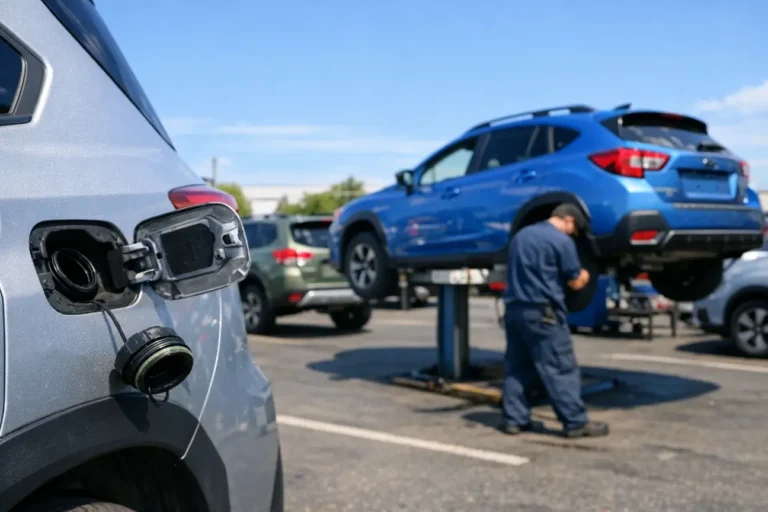
The certificate integrates data deletion into standard vehicle processing alongside mechanical checks and cosmetic prep. It aims to close gaps during rapid turnarounds—such as lease returns, rental turn-ins, fleet reassignments, and remarketing—by embedding data-clearing steps with checklists, sign-offs, and timestamped logs.
Open questions
- How certificates will be awarded and whether audits will be conducted by NAMA or third parties.
- Timelines for adoption across the sector.
- Additional approved suppliers that may be evaluated over time.
Key takeaways
- Standardizing data wiping helps protect consumers and reduces regulatory risk under UK GDPR.
- The program emphasizes process, proof, and governance—not just technical deletion steps.
- Industry backing and an initial approved supplier give businesses a practical path to implement now.