
Overview
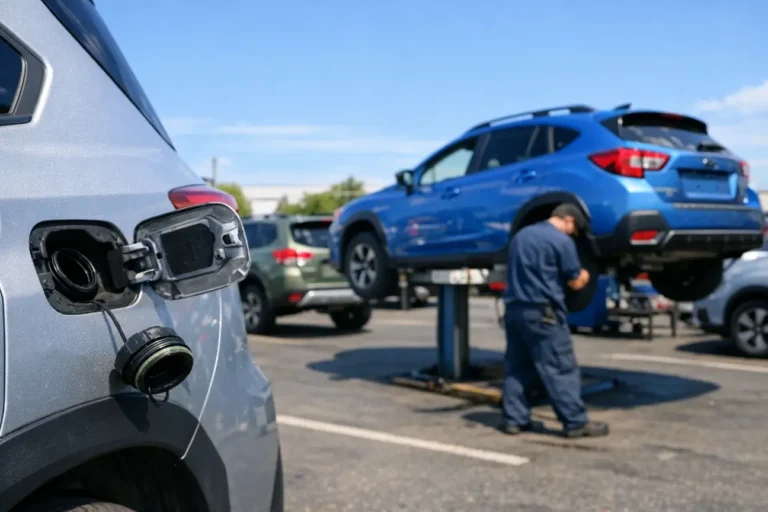
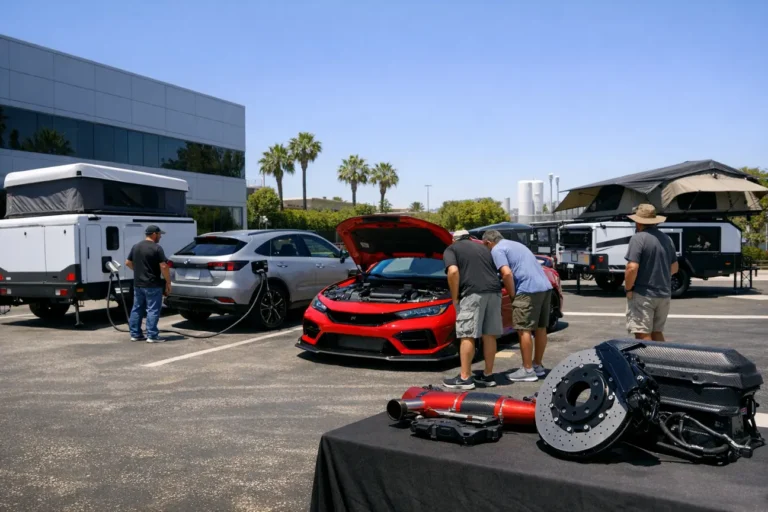
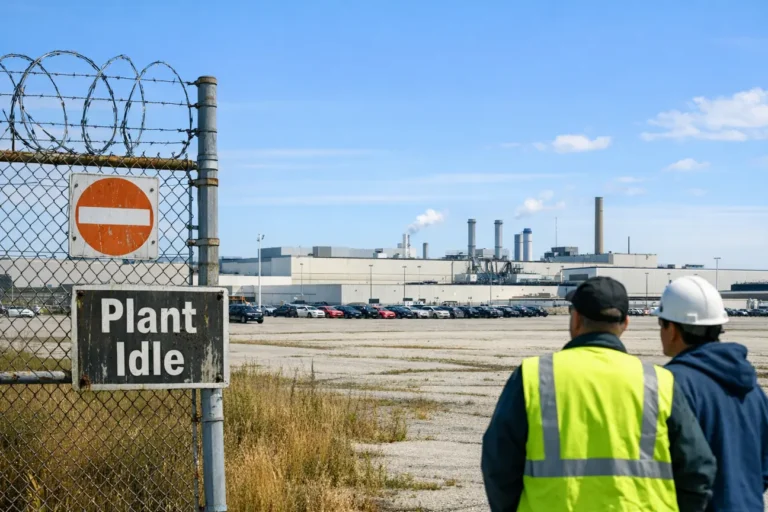
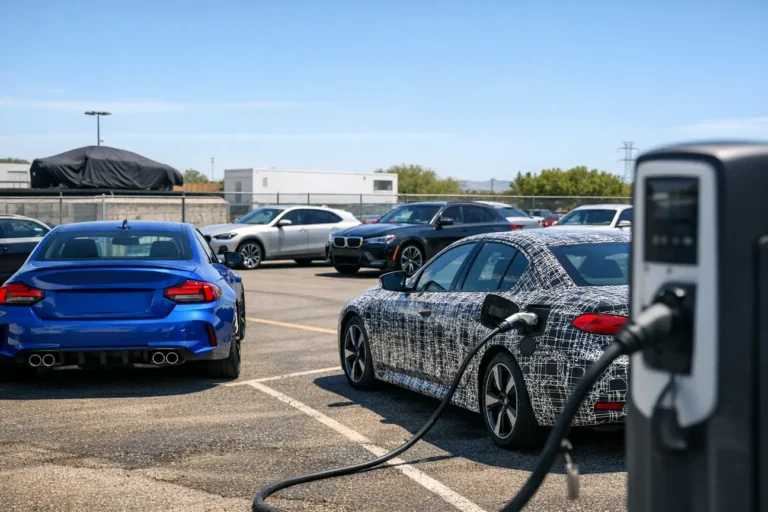
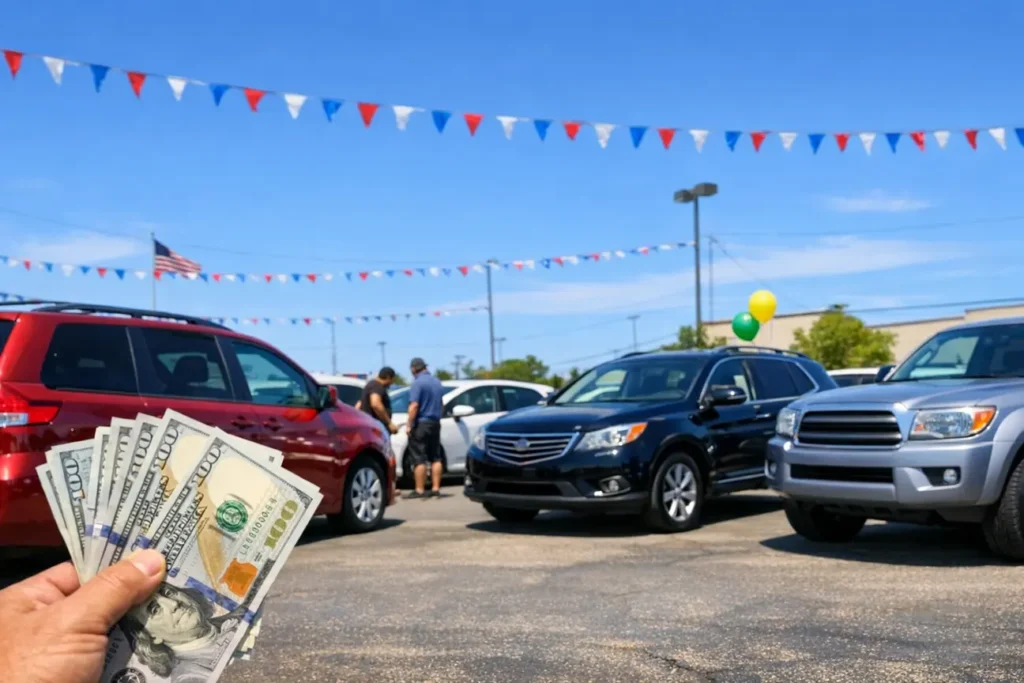
One major retailer is leaning into older used vehicles while key rivals favor younger inventory. Lithia Motors is pushing stores to acquire more 9+ year-old cars, price them higher, and accept slower turns to capture additional gross and traffic. In contrast, Penske and AutoNation are tightening age and price bands to limit reconditioning risk and align with premium brand expectations.
What Lithia is doing
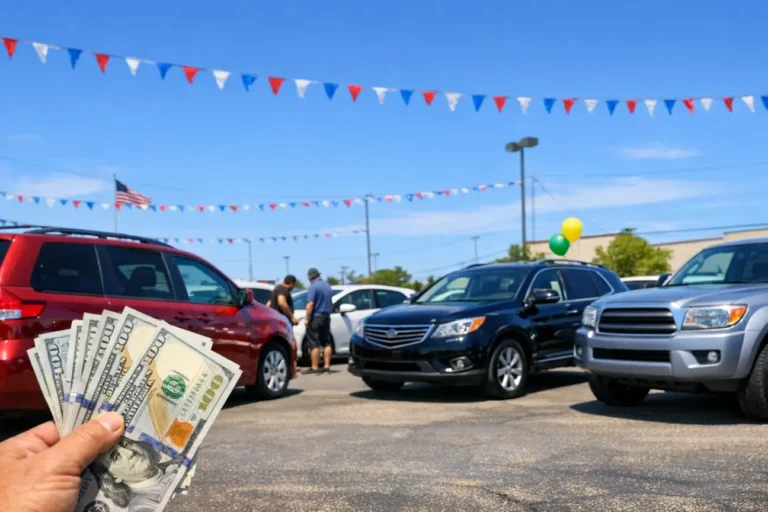
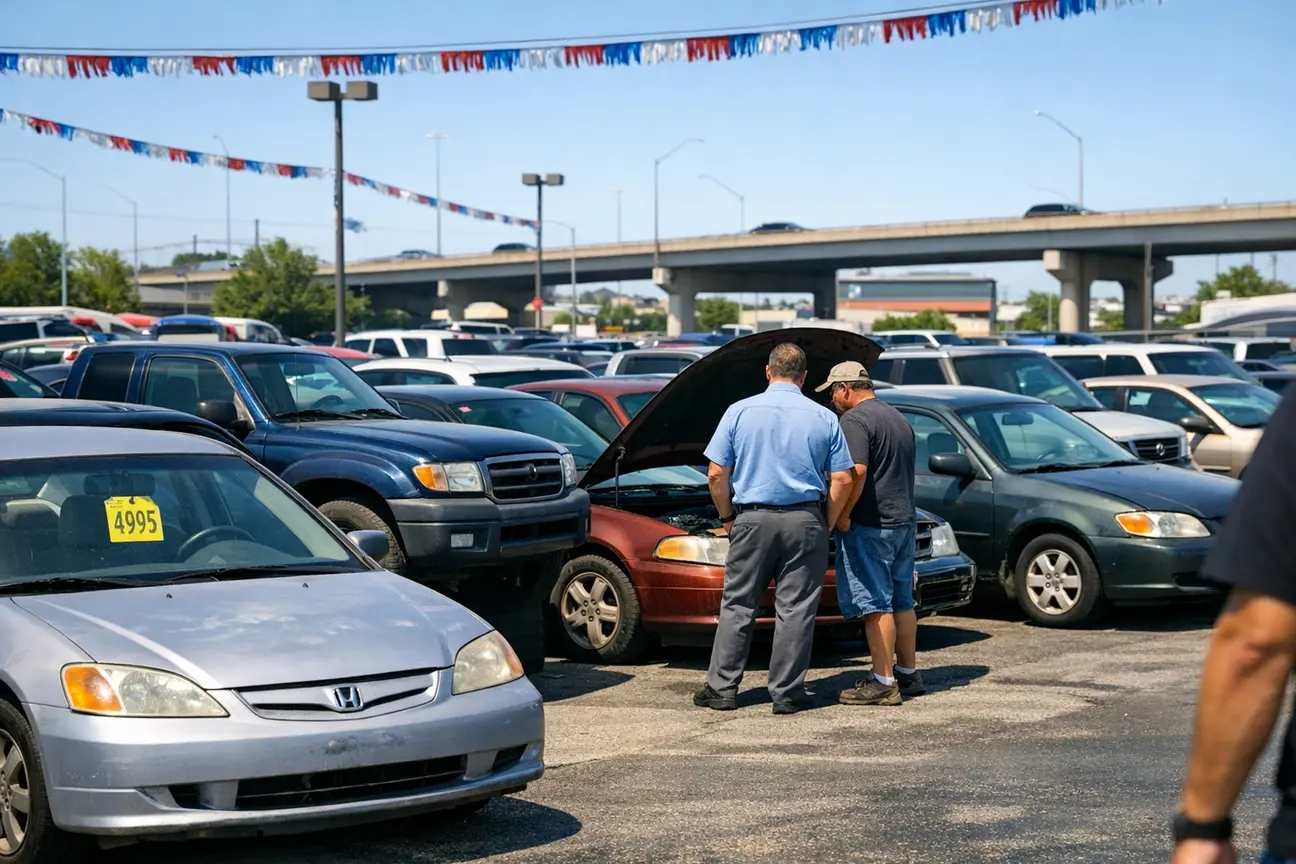
- Encouraging dealerships to stock and sell vehicles nine years old and older (“Value Autos”).
- Raising prices on older units after finding they were underpriced by 12%–13% (about $2,000) versus the market.
- Accepting longer turns for scarce older cars (e.g., ~24 days vs. fast four-day targets) to drive traffic and margin.
- “Re-educating” store leaders to avoid discounting away pricing power on older inventory.
How peers are positioning
- Penske Automotive Group: Pulling back from older cars due to high reconditioning costs, policy returns, and buybacks. Targets a used “sweet spot” of up to five years old. Premium-luxury mix is high (71% of 2025 dealership revenue), raising customer expectations for reconditioning and reliability.
- AutoNation: Plans to expand more affordable used offerings in 2026 around $30,000, stepping down from 2025’s >$40,000 focus but keeping distance from sub-$20,000 units. Premium-luxury comprised 40.1% of Q4 new-vehicle sales in franchised stores.
By the numbers
- Lithia 2025 revenue: Record $37.6 billion, up 4% year over year.
- Value Autos mix (Q4 2025): 18% of used sales, down from 21% a year earlier.
- Average selling price (Value Autos, Q4 2025): $14,849 vs. $14,797 in Q4 2024 (essentially flat).
- Brand mix comparison (2025): Penske premium-luxury 71% of dealership revenue; Lithia 35%.
- Network growth (Lithia): From 137 dealerships (2015) to 459 (2025).
Why it matters
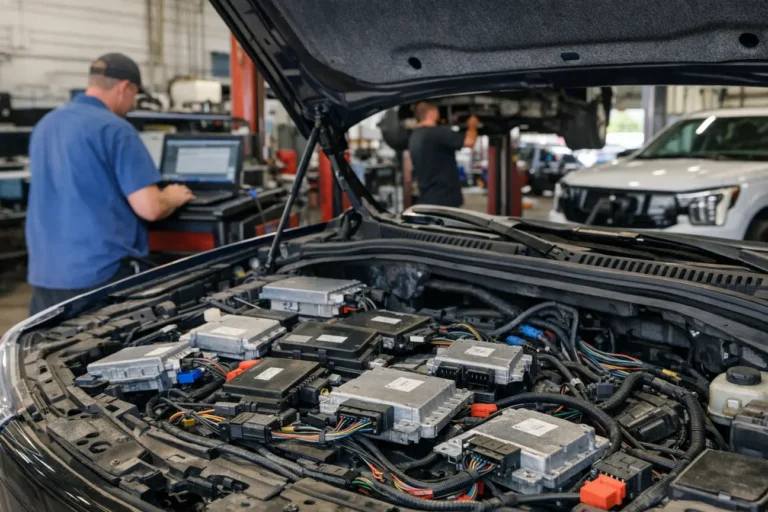
Older inventory can widen the funnel for cost-conscious buyers, boost F&I and service opportunities, and deliver higher grosses if priced and managed well. But it also brings elevated reconditioning costs and a higher risk of returns or dissatisfaction if recon is limited—trade-offs that push premium-heavy retailers toward younger used vehicles.
Operational implications
- Pricing discipline: Holding price on scarce older cars rather than prioritizing speed can lift margins.
- Reconditioning strategy: Over-recon can erode profit; under-recon risks returns. Standards must match brand promises.
- Store consistency: Rapid expansion has led to uneven execution at Lithia; leadership aims to standardize when to accept slower turns.
Outlook
Heading into 2026, strategies diverge: Lithia plans to retrain stores and optimize pricing to capture more gross from older vehicles; Penske will prioritize younger used to curb recon and policy costs; AutoNation targets a mid-price lane around $30,000. Performance updates through 2026 will show whether older-car pricing power translates to higher margins and share.