
Summary
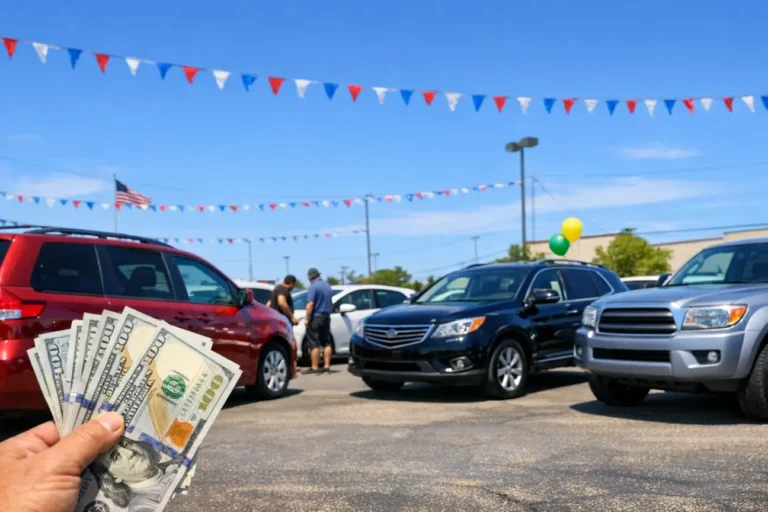
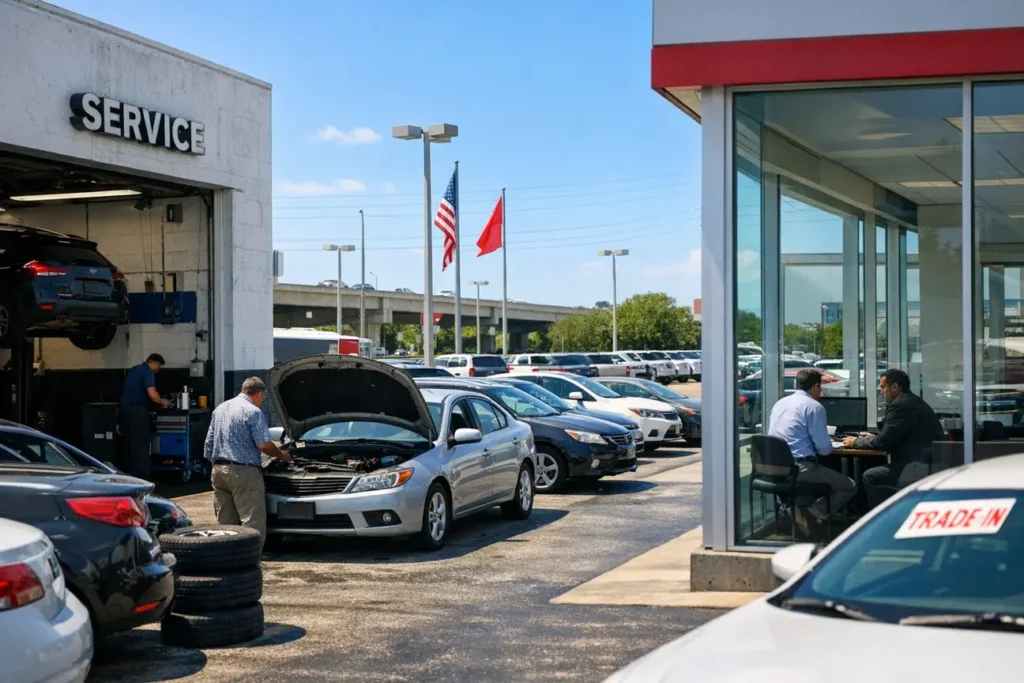
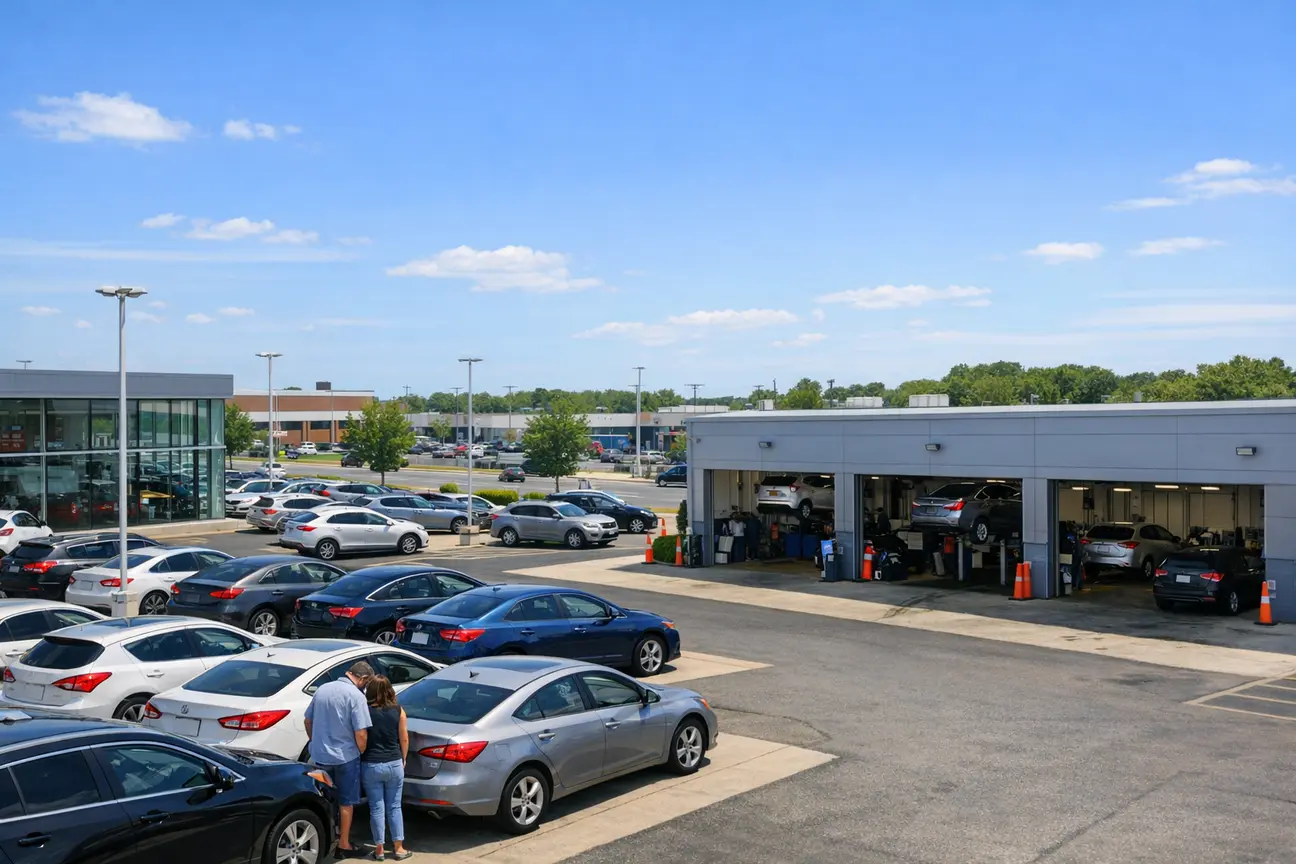
Dealership real estate remains pivotal to how cars are sold and serviced. Despite digital advances, consumer behavior still leans on physical touchpoints for viewing and test-driving, keeping property strategy central to both OEM and retailer performance.
Steve Young argues that winning networks will be defined less by sheer outlet count and more by getting the right sites, sizes, and investments—balancing brand standards with operational realities and customer priorities.
Key insights
- 96% of new-car buyers want some in-person steps, especially to see and try vehicles before committing.
- Physical premises anchor trust, repeat business, and the crucial aftersales relationship.
- Prime retail sites are scarce; demand outstrips supply in top locations, making site selection decisive.
- Standardized OEM facility formats often clash with local building constraints and what customers truly value (people, product, choice).
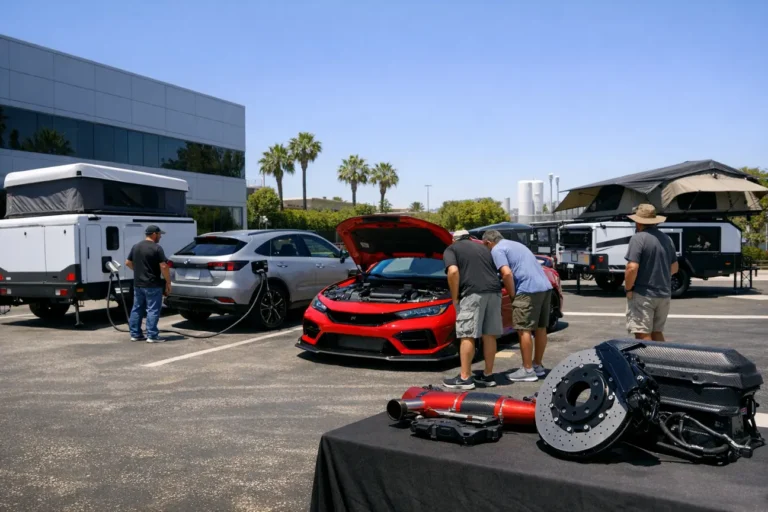
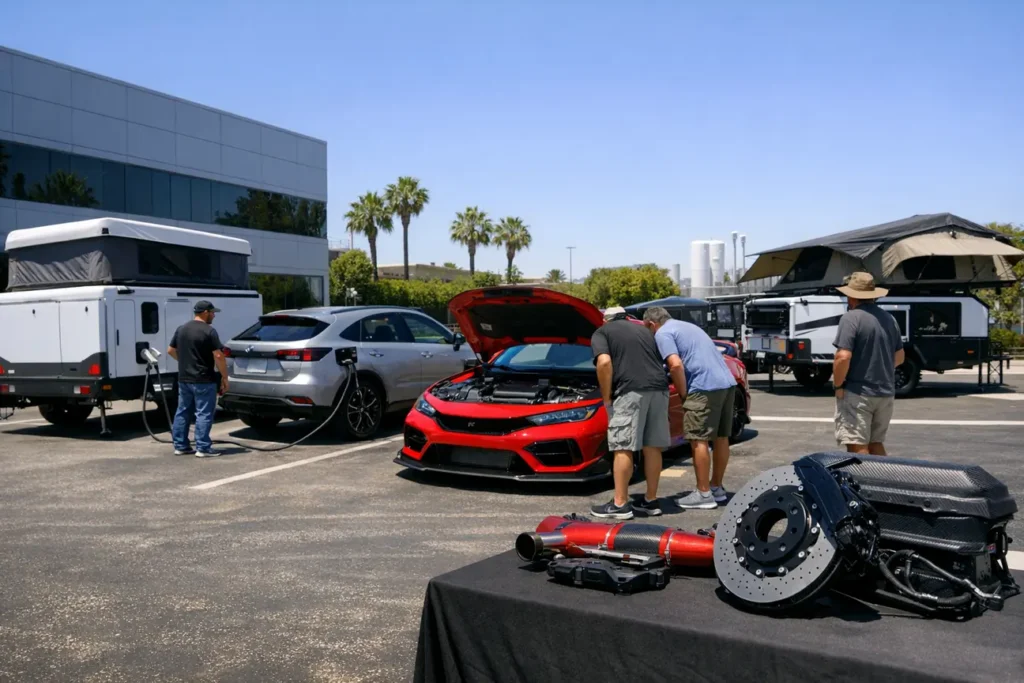
- “Micro” urban showrooms cut rent but limit demonstration power for broad lineups; very large multi-floor stores risk diminishing returns.
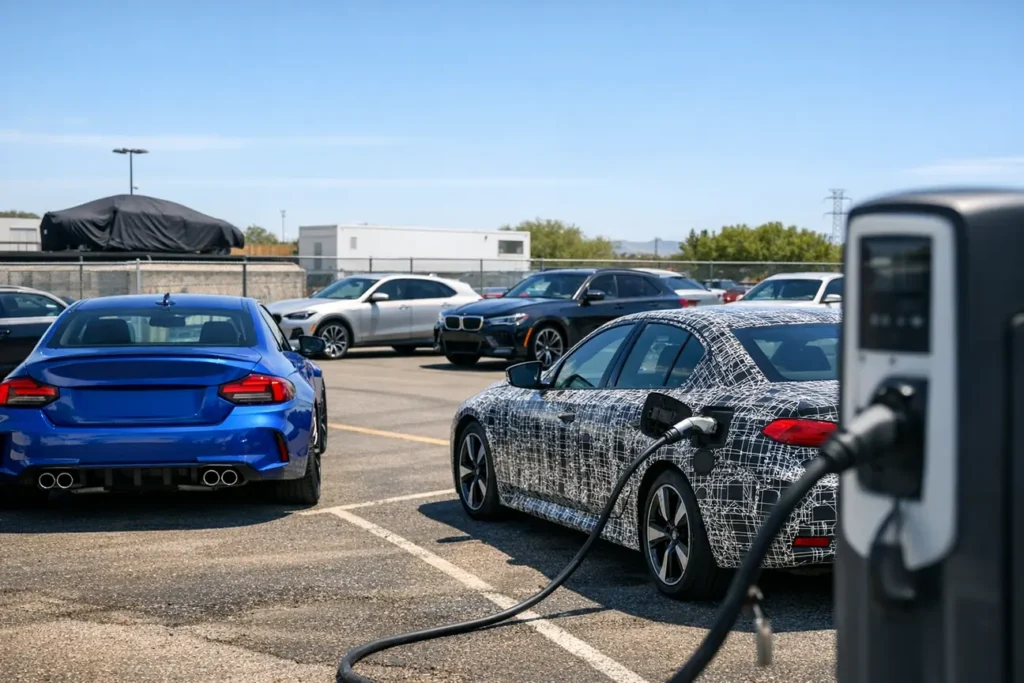
- For mainstream brands, showing about 10 cars is often “about right,” though optimal size varies by lineup breadth.
- Over-investment in image or property can depress returns and distort future valuations; dealership real estate typically trails alternative uses on return per square meter.
- Senior leaders increasingly act as property allocators, matching franchises to sites to maximize ROIC.
Illustrative examples
- A high-visibility site near Heathrow (c. 500,000 daily passersby) performs despite operational drawbacks—location trumps format.
- A 100-year-old residential-area site fits OEM geo-mapping but challenges corporate identity rollouts—adaptability matters.
- Stellantis House’s withdrawal reflects constraints of ~250 m² per brand—insufficient to represent a volume marque effectively.
Implications for OEMs
- Prioritize network quality over pure outlet count; benchmark with productivity, not just representation.
- Flex corporate identity to diverse buildings and urban constraints to avoid costly, low-return retrofits.
- Right-size showrooms to lineup breadth; minimize redundant variants on display to improve utility per m².
- Re-evaluate micro formats: great for awareness and leads, weaker for multi-model demonstration without nearby hubs.
Implications for retailers
- Treat property as a portfolio: location, adaptability, and lease/own structure drive ROIC more than aesthetics.
- Calibrate display capacity (~10 cars for mainstream) to maximize test-drive conversion and model coverage.
- Guard against over-investment; model returns vs. alternative property uses and exit scenarios.
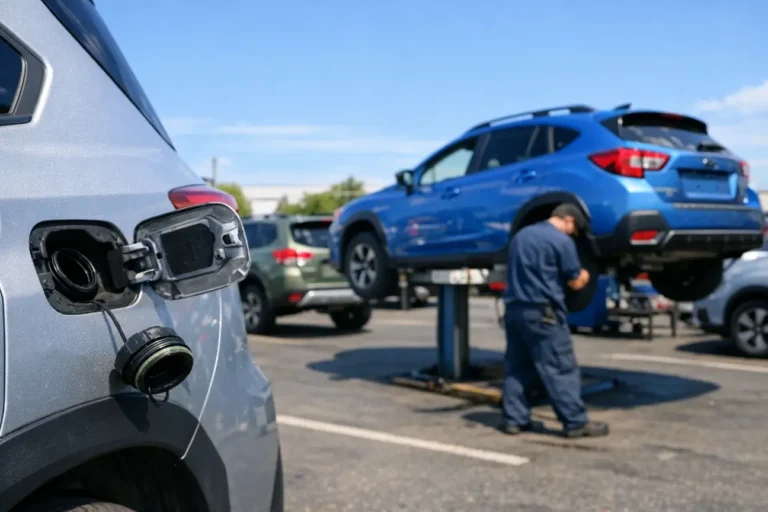
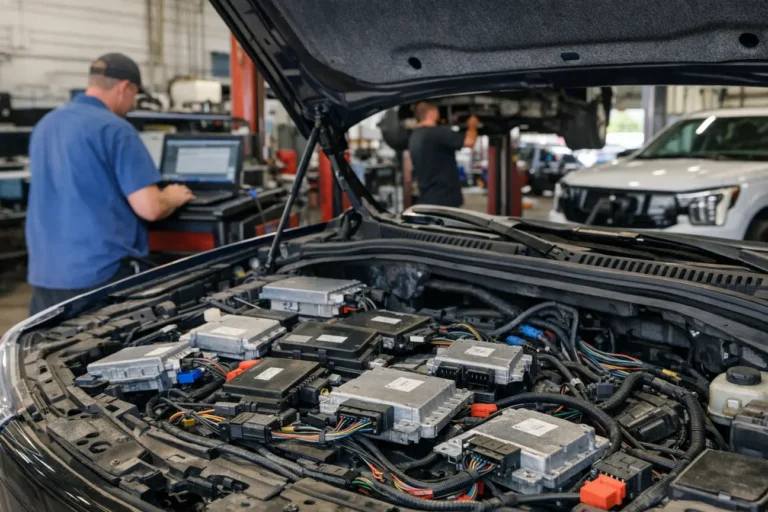
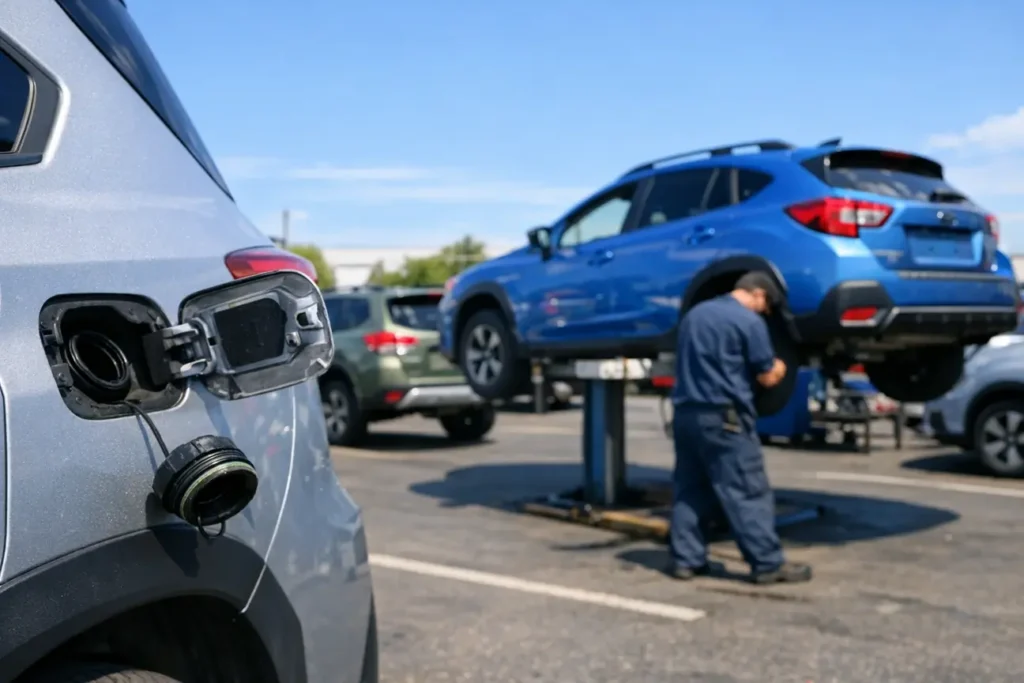
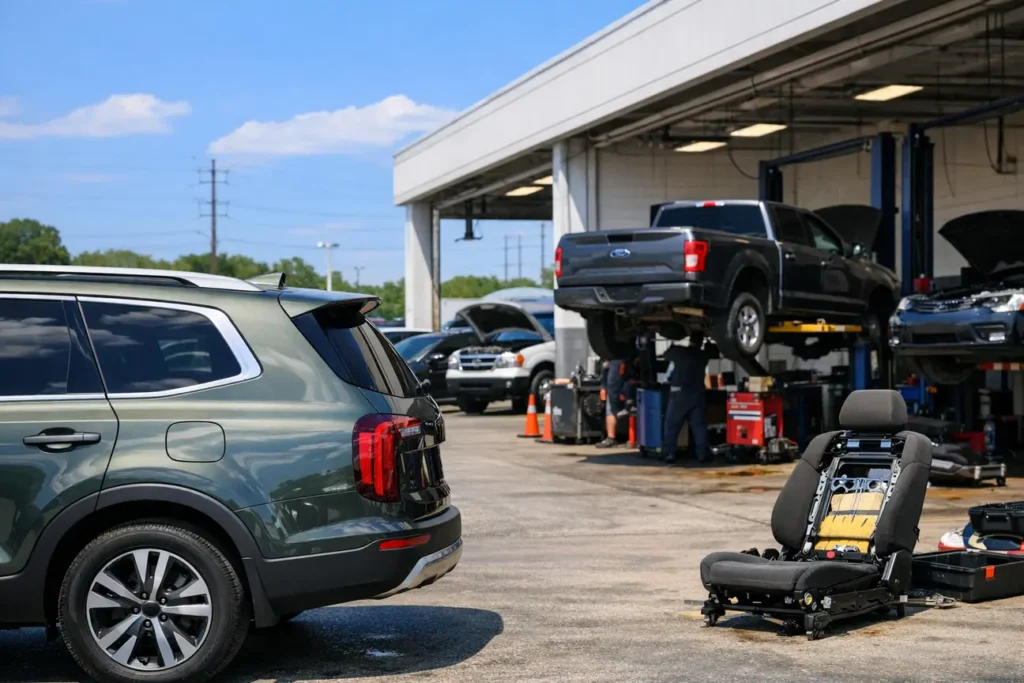
- Optimize aftersales access and capacity; decide when to co-locate with sales versus operate specialized service hubs.
What to watch next
- ICDP and CitNow Group research on future workshop design and the economics of co-located vs. standalone service.
- New-entrant OEMs’ push to expand franchise footprints, and how established brands rebalance urban microsites, full-line stores, and service capacity.
- Shifts in consumer touchpoint mix as digital tools improve—but with continued reliance on physical validation and closing.