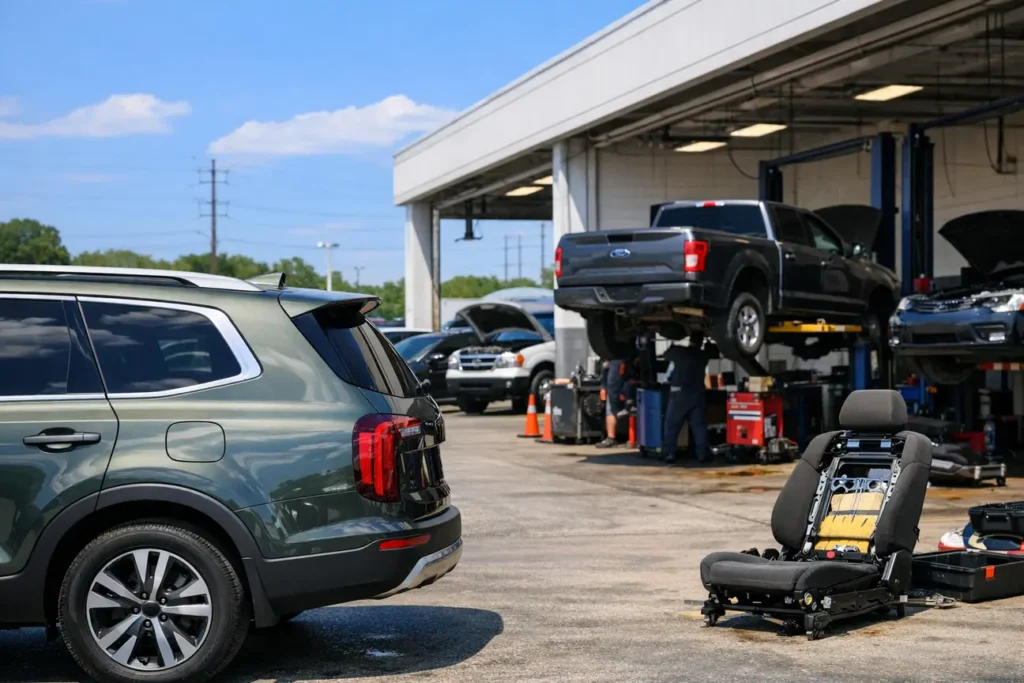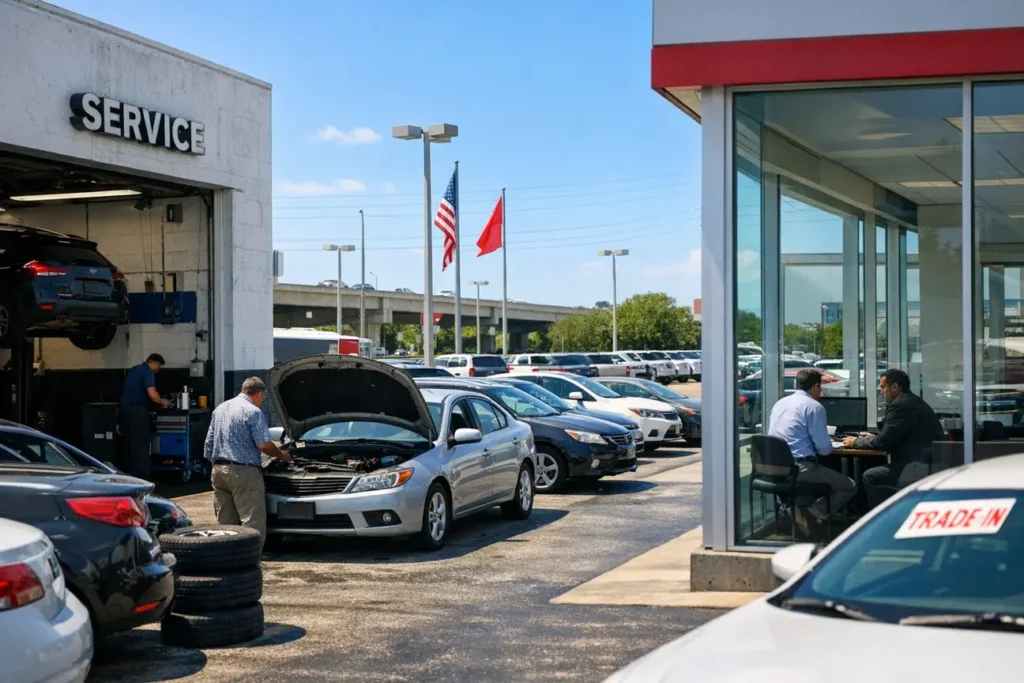
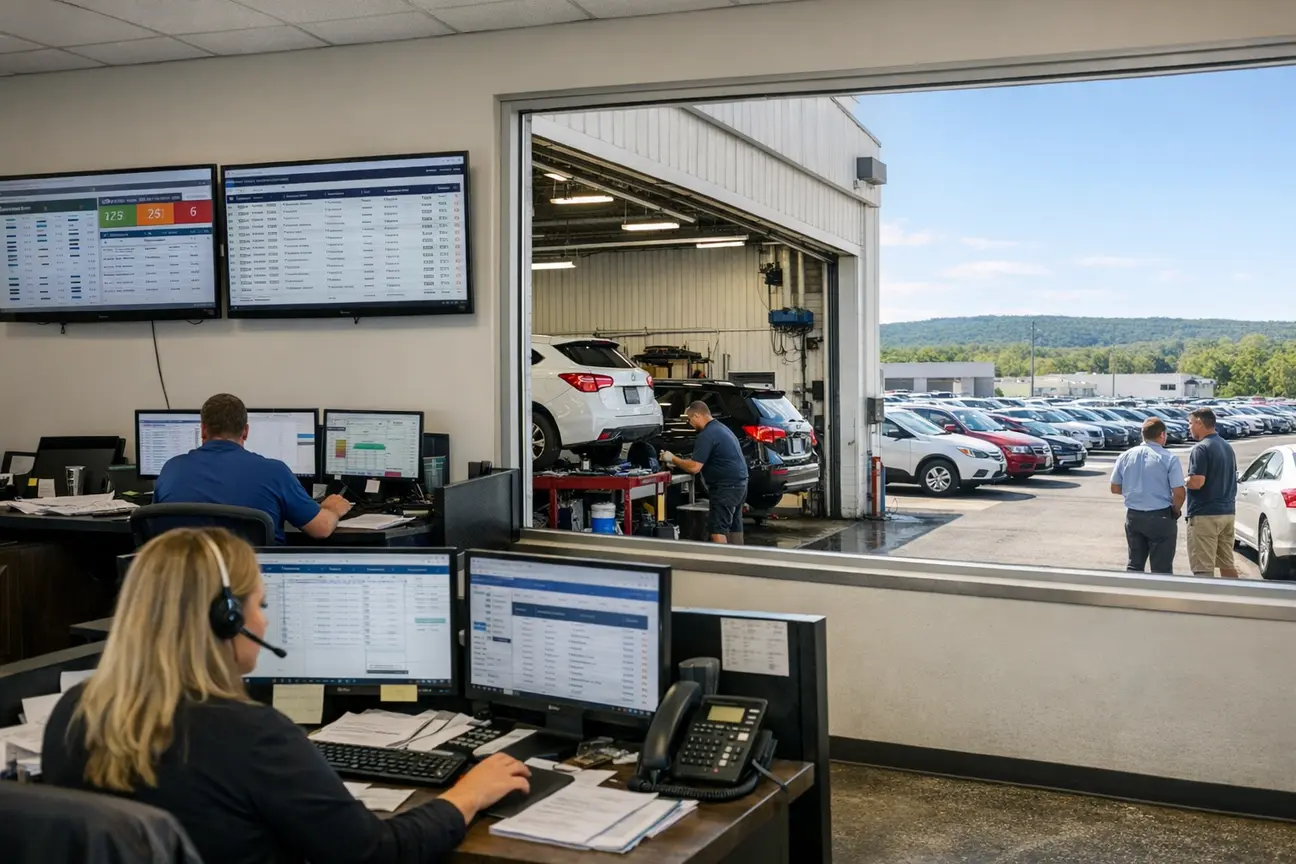

Stuckey Automotive’s expansion is being driven by a centralized operating model that lifts per-person throughput, scales used-vehicle operations, and keeps real estate spending disciplined. In a Feb. 20 podcast recap, President Matt Stuckey explained how moving common functions into a shared hub lets each store focus on retailing and service while holding overhead in check.
Centralized Operating Model
- Shared hub runs accounting, marketing, payroll, BDC for seven rooftops.
- Reconditioning and BDC were moved off-site first, creating the foundation for scale without duplicating back-office tasks.
- Stores are “purpose-built” for sales and service capacity—right-sizing sales stations, F&I offices, waiting areas, and bays to expected throughput.
Throughput and Productivity
Salespeople average 25 vehicles per person per month (about double industry norms), a decade-long standard that drives lean staffing, desk management, compensation design, and smaller footprints.
Used-Vehicle Scale
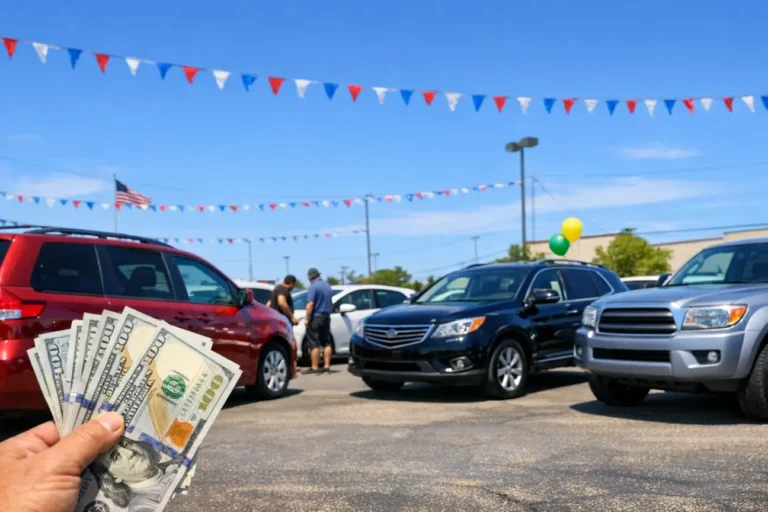
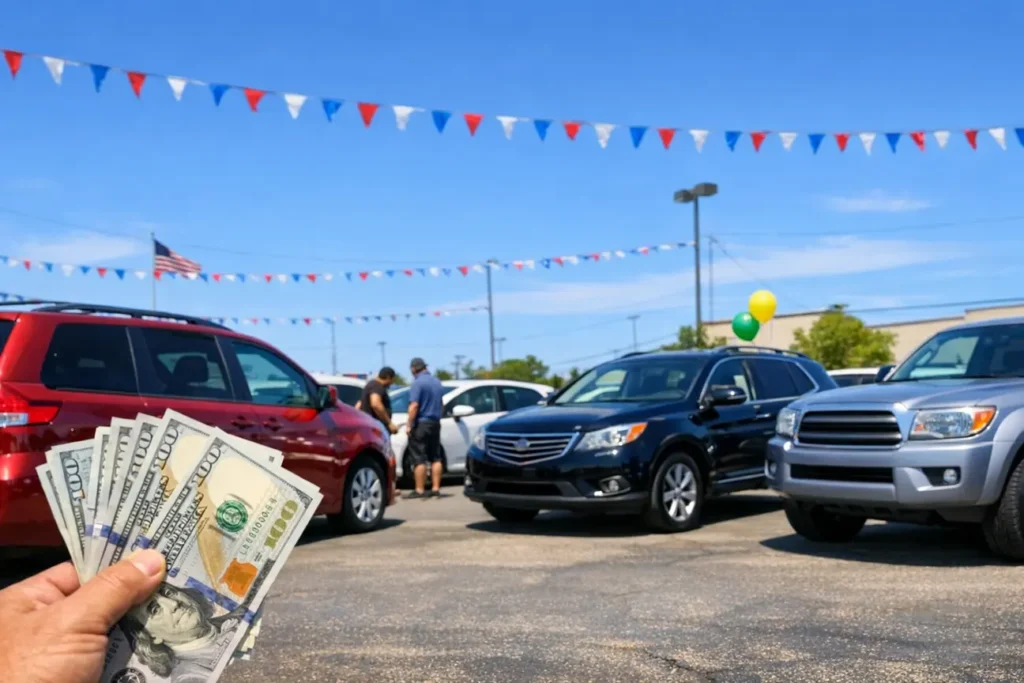
- Used vehicles are the primary growth lever; at times, the group sold 3× as many used as new and generated greater total used gross.
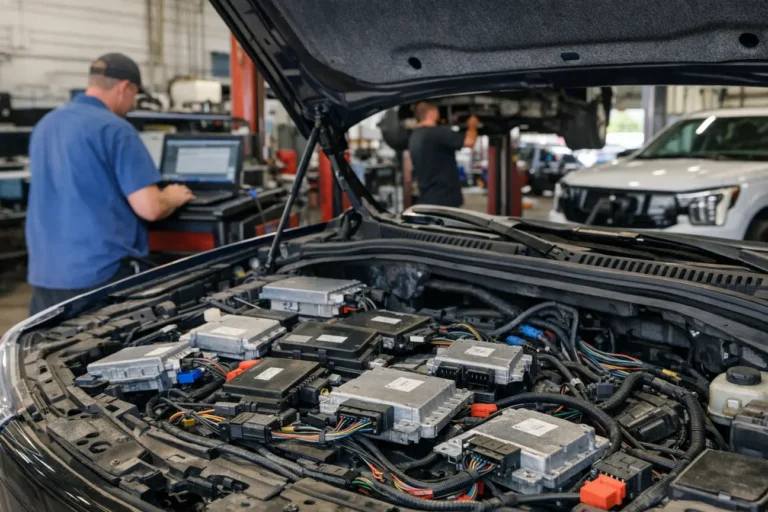
- Centralized reconditioning standardizes processes and controls costs to make volume viable.
- Purchasing is consolidated to one specialist buying 200–300 units/month using simulated auctions and proxy bidding, with real-time desk communication.
Delivery Speed and Process Rigor
- Target delivery time: under 1 hour 45 minutes from customer agreement to exit; managers use stopwatches to diagnose bottlenecks if standards slip.
- Pre-staging steps is essential to hit the target consistently.
- A DMS migration aims to eliminate paper-heavy steps (print, scan, shred) in sales and service.
Technology and AI
AI is positioned to amplify, not replace, people. The BDC is testing tools to handle routine interactions, orchestrating handoffs so staff can focus on nuanced deal-making and increase customers handled per representative without cutting headcount.
Market Selection
The group prioritizes smaller markets where it can outperform brand averages with fewer competing rooftops, aiming for dominance within focused geographies rather than being average in crowded metros.
Technician Pipeline
- Local pipeline starts in high school: part-time in senior year, summer work, then full-time roles post-graduation.
- Eight Ford senior master technicians across two locations, largely trained and certified internally; local tech centers have waiting lists.
Real Estate Discipline and Growth
- Cash-flow-funded expansion with careful return thresholds for acquisitions and builds.
- Seven rooftops operating, two more underway—without private equity or outside investors.
How the Choices Interlock
- Higher per-person throughput reduces staffing and facility size requirements.
- Centralized reconditioning and back office keep overhead predictable as stores are added.
- A single, tool-enabled buyer sources used inventory at scale.
- Homegrown technicians stabilize service capacity.
What’s Next
- Complete DMS migration to remove printing/scanning.
- Refine AI assistance for the BDC to boost rep leverage.
- Manage construction spend as two additional rooftops come online.
- Continue developing in-house technician talent to support service throughput.
Notable Metrics (from the recap)
- Sales productivity: ~25 vehicles per salesperson per month (maintained for a decade).
- Delivery-time goal: under 1:45 from “yes” to delivery.
- Used-vehicle sourcing: 200–300 units/month via a single specialist.
- Network: seven rooftops operating; two in development.
The recap frames this as a scale strategy for smaller markets with constrained new-vehicle allocations: emphasize used-vehicle flow, efficient reconditioning, service retention, and centralized support to grow units per employee while containing administrative and real estate costs.