
Summary
The Motor Ombudsman, marking its 10th anniversary, highlights three forces most reshaping dealership retail: the rise of electric vehicles, expanded consumer rights, and a tightening labor market for skilled technicians. It plans to invest in AI tools and expand staff to handle growing case volumes amid accelerating technological and regulatory change, with more shifts expected in 2026.
Forces reshaping dealership retail
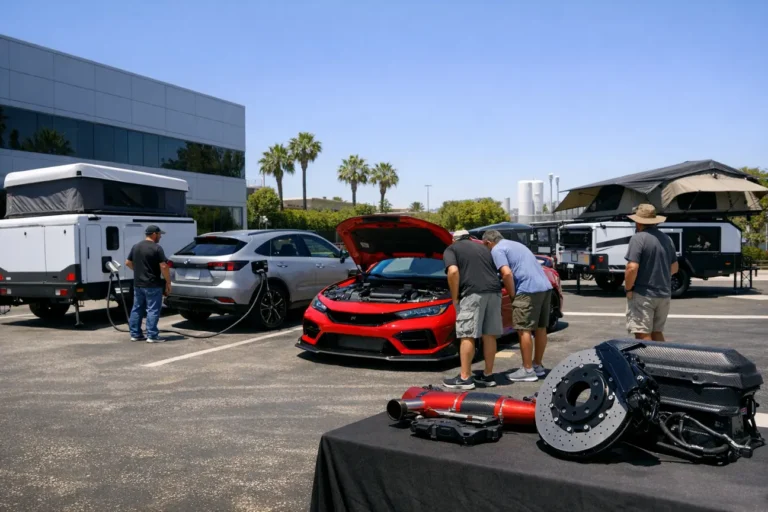
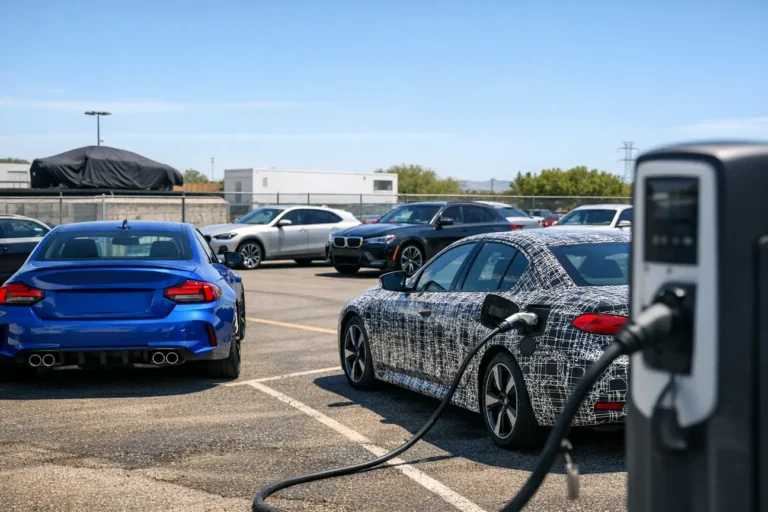
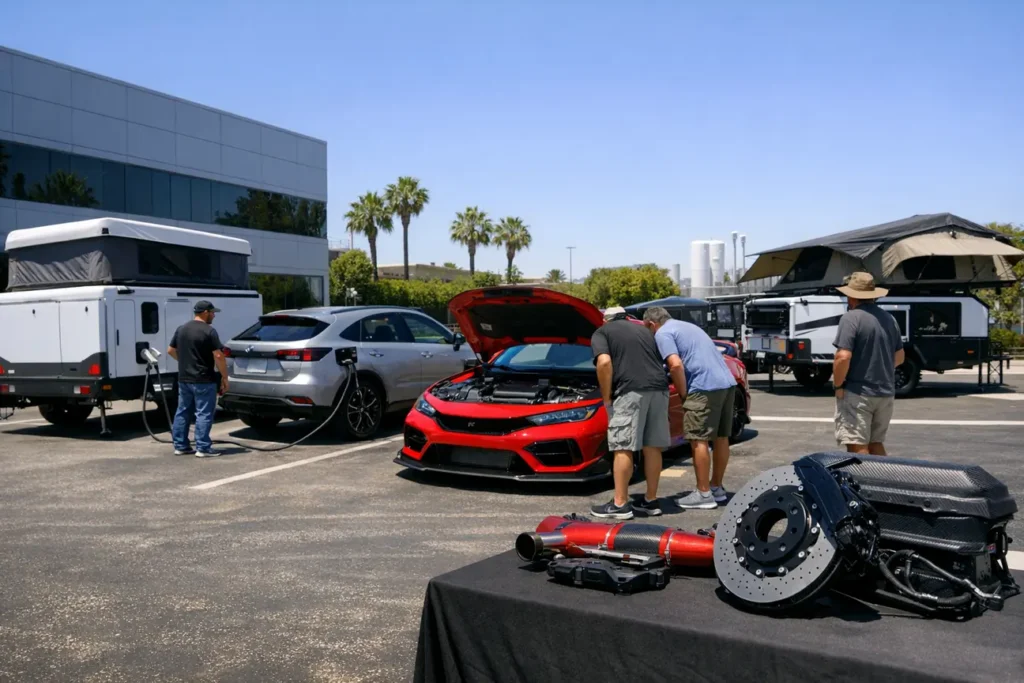
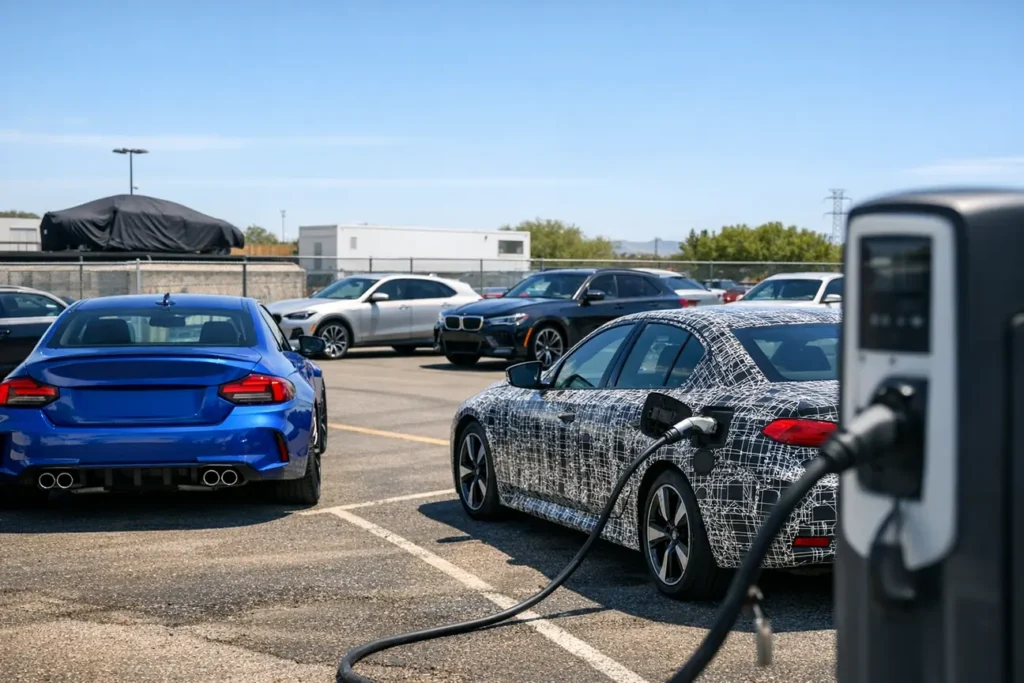
- Transition to EVs and rapid in‑vehicle tech advances.
- More expansive and evolving consumer law, raising expectations.
- Structural shortage of qualified technicians and upskilling needs.
What has changed over the decade
- Steady growth in dealers, manufacturers, garages, and warranty providers accredited to the Motor Ombudsman—now at the highest level yet.
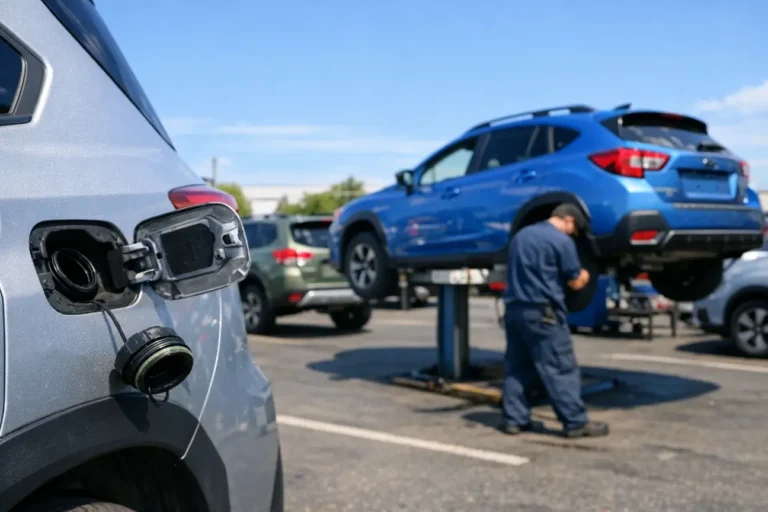
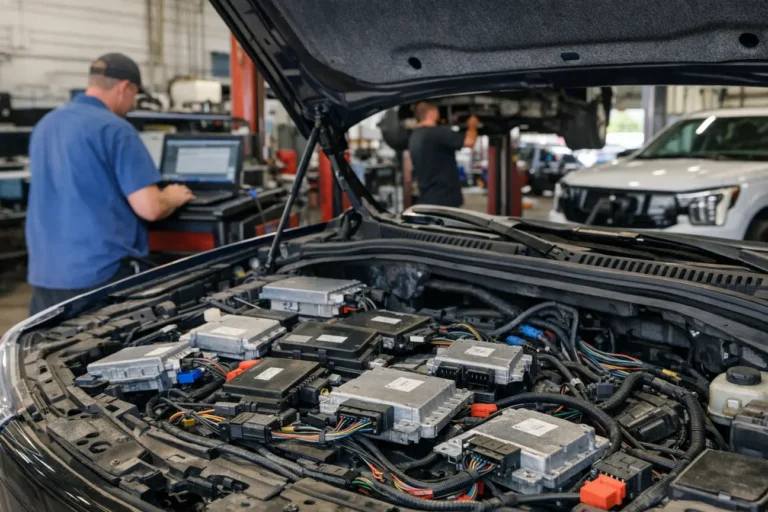
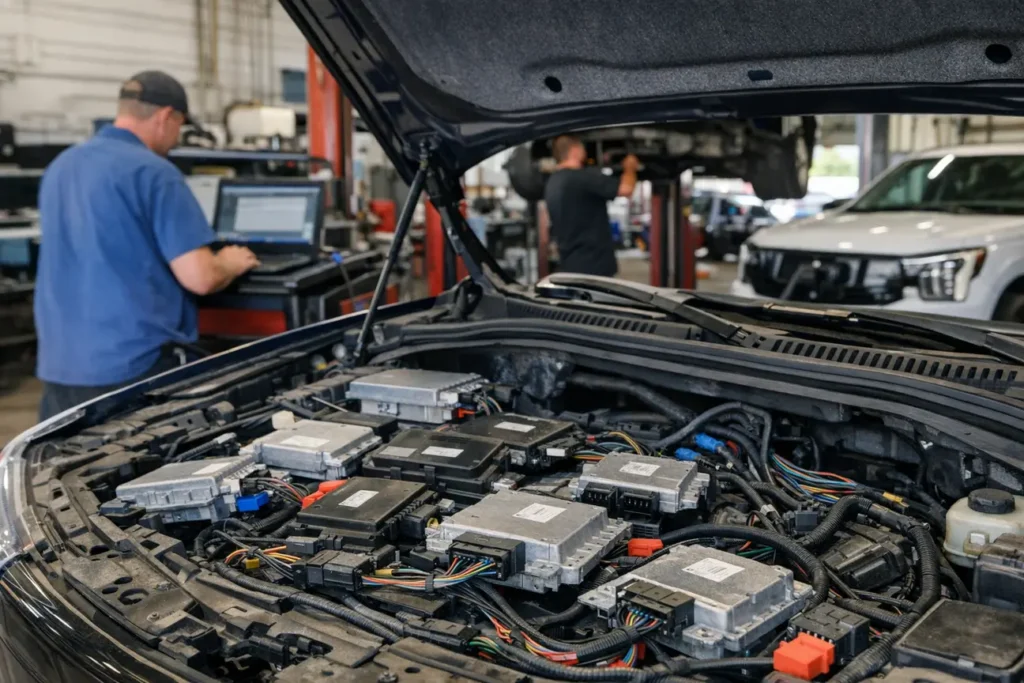
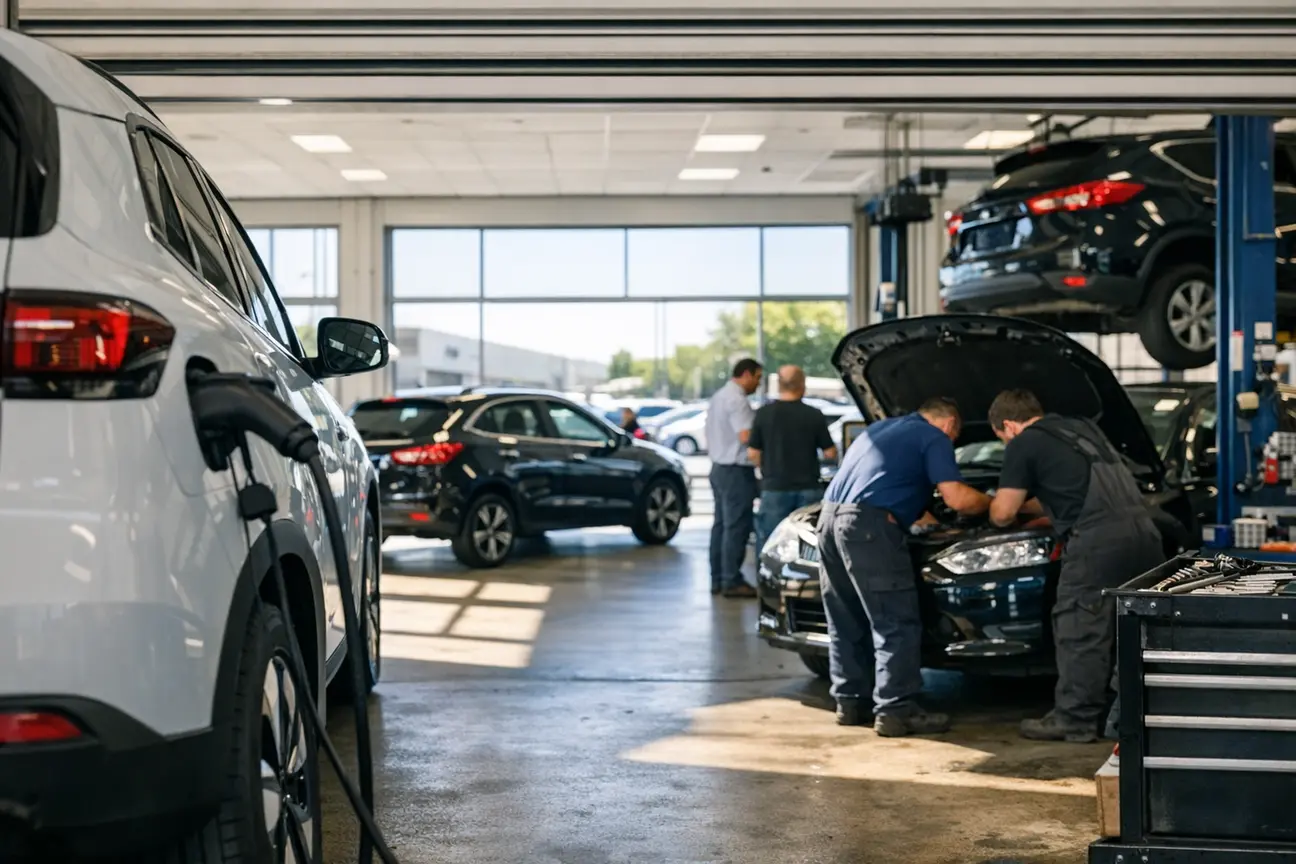
- Greater technical complexity in diagnosing, repairing, and maintaining modern, software‑driven vehicles.
- Consumers are more assertive about their rights, but misunderstandings of legislation can cause friction.
- Recruitment is harder due to the expertise required for EVs, ADAS, and connected features.
Operational impacts across the market
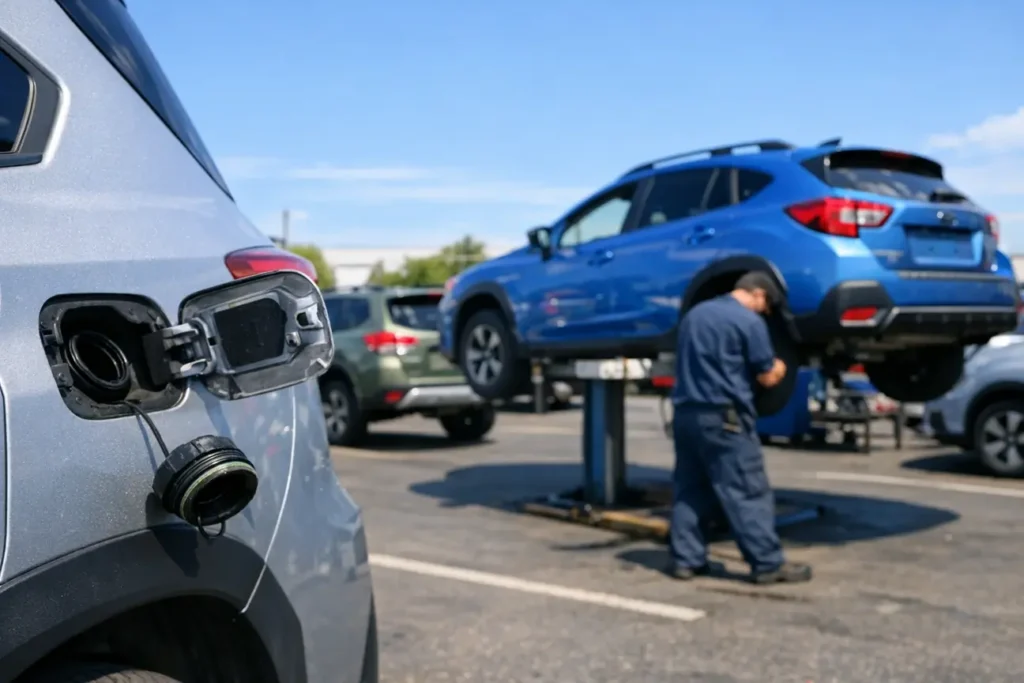
- Retailers and service centers: Face longer lead times, higher training and equipment costs, and uneven proficiency across networks.
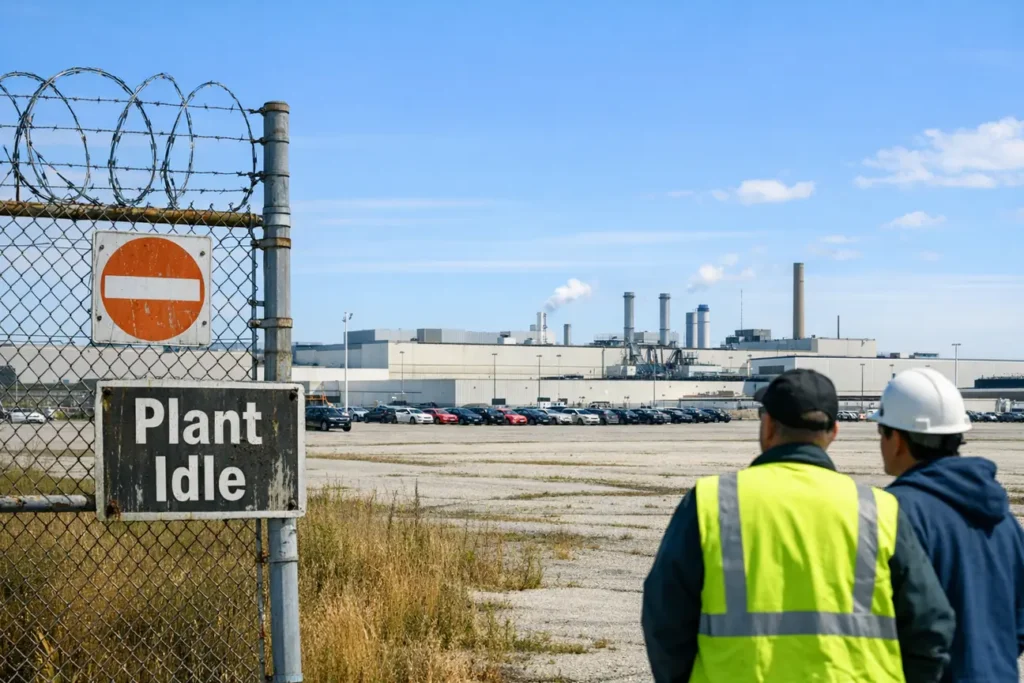
- Manufacturers and franchise groups: Rollouts of new tech and service capacity can be constrained just as customers expect faster resolutions.
- Independent garages: Investment and training decisions are tougher, which can push customers toward already‑busy franchised sites.
- Consumers: Higher expectations for fault‑free outcomes and quick fixes can clash with legal thresholds and practical realities, especially with software‑dependent products.
Plans and outlook
- Increased investment in AI to process higher volumes efficiently and improve case management.
- Team expansion to maintain service levels as inquiries grow.
- Continued legislative change expected into 2026, reinforcing the need for training, process updates, and clear communication about rights and remedies.
Bottom line
The sector is “in a much better place” than a decade ago, reflected in broader accreditation and more structured complaint handling. Yet electrification, evolving laws, and talent shortages are intensifying. Scaling skills, systems, and communication—alongside targeted AI use—will be critical to meet rising expectations and regulatory demands.