
Key update
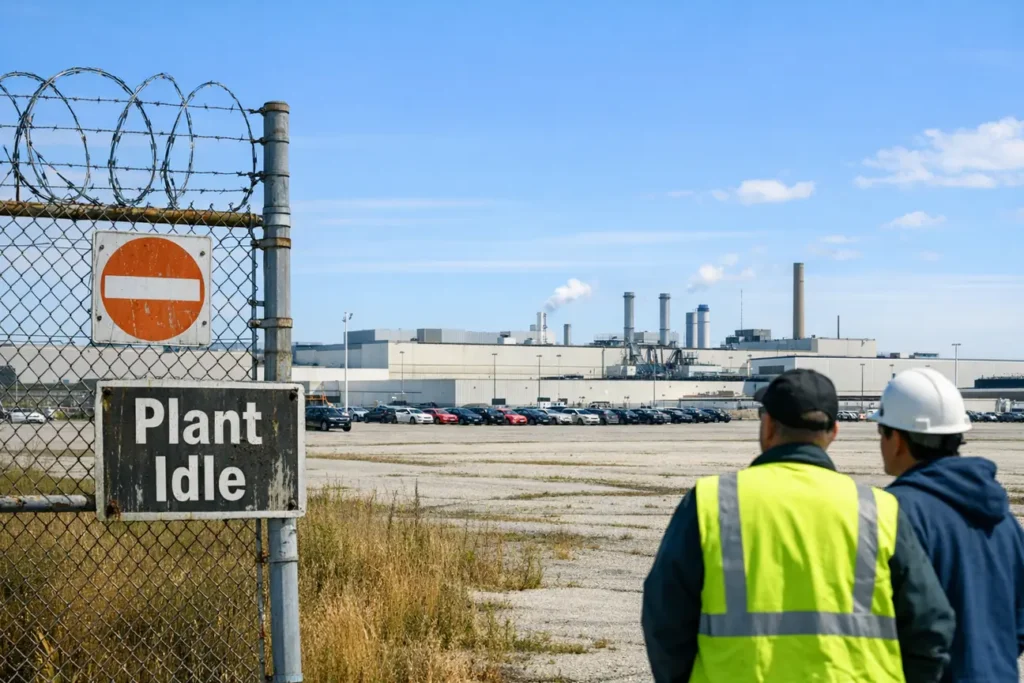
Volkswagen Group has delayed the U.S. launch of Scout Motors, pushing the start of production to no earlier than 2028, according to Der Spiegel as cited by The Drive. The move represents a pause of at least a year from prior plans targeting first deliveries by 2027.
Background
Scout Motors was created to reenter the American truck and SUV market with a brand inspired by the International Harvester Scout. Initially pitched as an all-electric lineup, Scout aimed to build vehicles at a new plant in Blythewood, South Carolina, with an aggressive timeline for an all-new brand, products, and factory.
Reasons for the delay
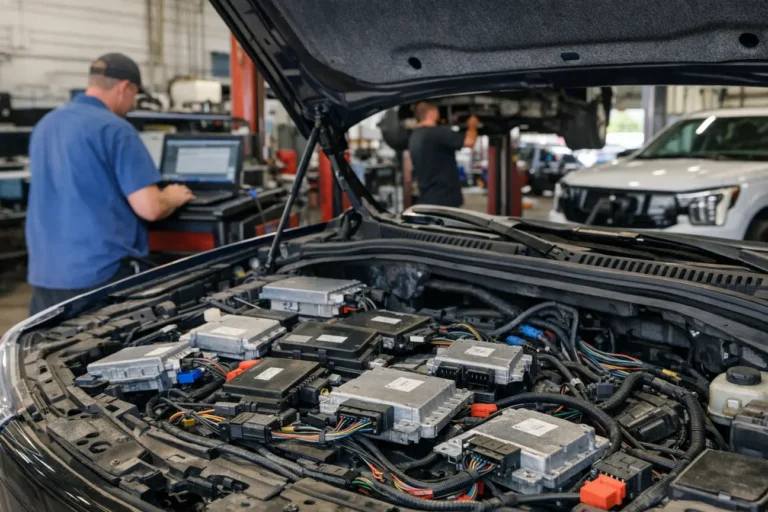
Der Spiegel reported Volkswagen cited technical issues and existing financial obligations as factors behind the shift. While specifics were not disclosed, large vehicle programs commonly face challenges in software integration, powertrain calibration, supply-chain readiness, and manufacturing tooling. Scout has not provided updated timing or product details, stating it has no new announcements to share.
Product strategy shift
The strategy appears to be evolving from a pure battery-electric approach toward heavy use of range-extended designs—vehicles driven by electric motors with an onboard gasoline generator to recharge the battery. The Drive reported that the majority of Scout’s lineup is now likely to use such a setup, a pragmatic response to concerns over fast-charging access, towing, long-distance travel, and affordability.
Policy dynamics
The Drive reported that Scout selected a U.S. production site in part to benefit from the Inflation Reduction Act’s incentives, and also reported that Congress repealed the policy in 2025. If incentives tied to domestic manufacturing and U.S.-sourced components change or lapse, projects premised on those benefits can face tougher economics.
South Carolina plant progress
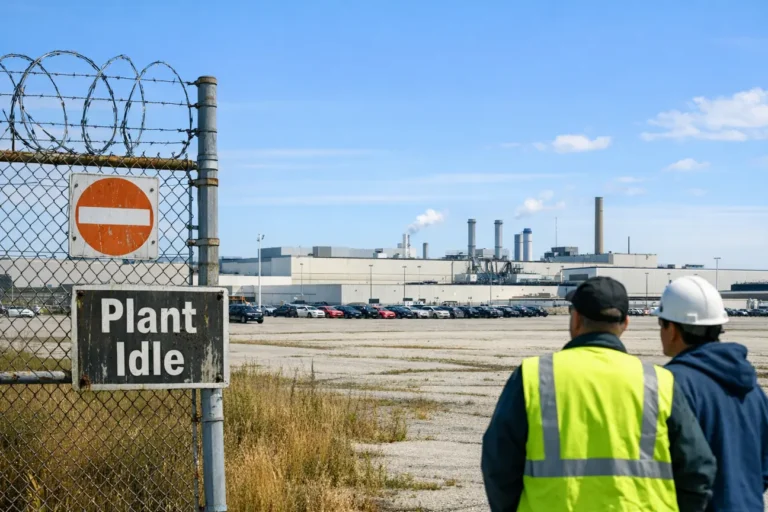
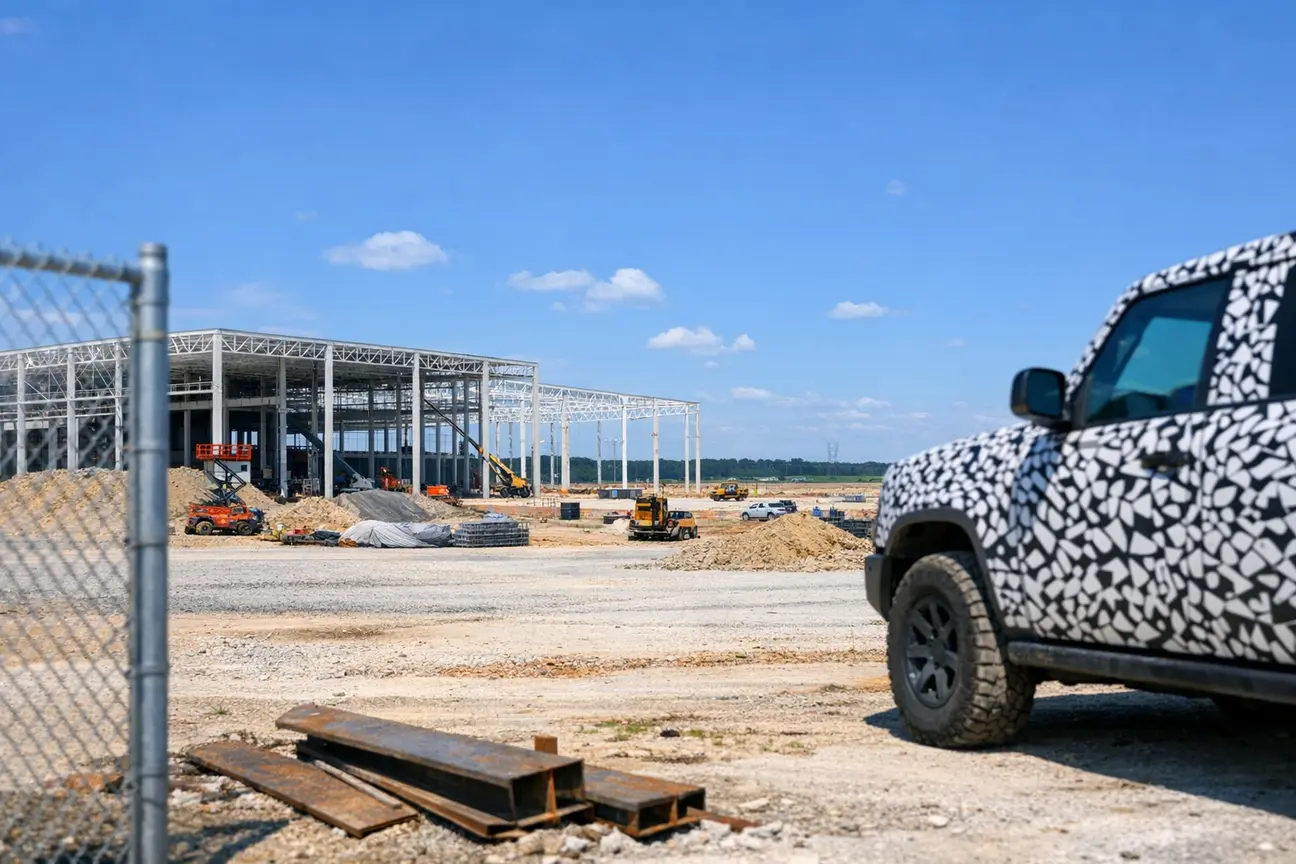
Scout broke ground on its Blythewood facility in early 2024 and, per The Drive’s account of Der Spiegel’s report, completed most construction by 2025. The new 2028-or-later timing resets the sequence for equipment installation, commissioning, pilot builds, and ramp-up, giving teams more time for development and validation.
Market context and challenges
Launching an all-new electric truck line remains complex amid a maturing EV market and cost pressures. Both incumbents and startups have wrestled with software, thermal management, towing performance, and cost control. Range-extended architectures can serve as a bridge technology, offering electric-drive characteristics while reducing reliance on high-power public charging.
What’s next
The next major milestone will be an updated product and launch schedule from Scout Motors or Volkswagen Group. Until then, the U.S. debut remains on hold, with production expected no earlier than 2028 as development continues and the company reassesses its plan.