
Overview
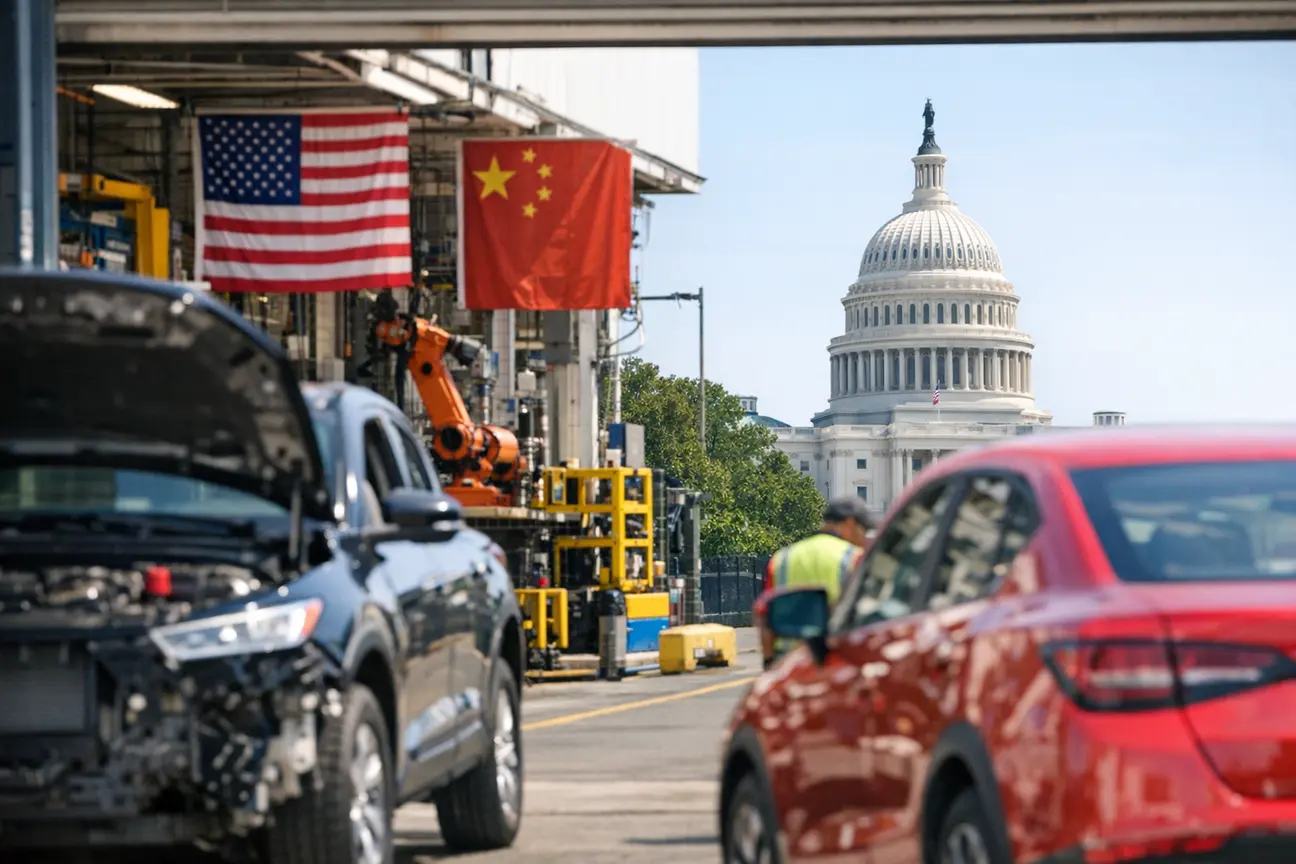
A brief report says Ford CEO Jim Farley has discussed with the Trump administration a potential framework to let Chinese automakers enter the U.S. through joint ventures with American carmakers that would build vehicles domestically. The item did not include timing, participants, or evidence of a formal proposal, nor comments from Ford or the White House.
Key points
- The talks reportedly focus on creating a path for Chinese brands to produce and sell cars in the U.S. alongside U.S. partners via domestic joint ventures.
- Such a framework would represent a notable shift from today’s barriers to direct imports or wholly owned U.S. operations by Chinese automakers.
- Details, including which companies might participate and what guardrails would apply, remain unspecified.
Why it matters
- Competition and prices: Chinese automakers are highly competitive on cost, especially in EVs, potentially intensifying price pressure in the U.S. market.
- Jobs and investment: Domestic manufacturing via joint ventures could create U.S. jobs, while giving policymakers more control over technology, data, and supply chains.
- Industrial policy: A formal pathway would sharpen debates over security, union standards, consumer choice, and how to balance affordability with strategic concerns.
Major policy hurdles
- Tariffs: In 2024, Section 301 duties on Chinese-made EVs rose to 100%, effectively blocking mass-market direct imports. Domestic assembly could avoid import duties but not other constraints.
- Data and security: The Commerce Department began a 2024 process to examine and possibly restrict connected-vehicle technologies from countries of concern; JV vehicles could face scrutiny even if built in the U.S.
- Tax credits: To qualify for up to $7,500, models must meet North American assembly and strict battery content rules. Inputs from “foreign entities of concern” can disqualify vehicles in 2024–2025, limiting JV eligibility if prohibited battery materials or components are used.
- CFIUS and ownership: Foreign investment and ownership structures may trigger national-security review by CFIUS; state incentives often come with labor and domestic-content conditions.
- USMCA safeguards: Policymakers have warned against tariff circumvention via North American production, particularly as Chinese brands expand in nearby markets.
Context and backdrop
- Chinese automakers are expanding globally and exploring overseas factories to manage tariffs and logistics (e.g., interest in Mexico).
- The joint-venture model mirrors decades of foreign automakers partnering in China—this would invert that pattern for the U.S.
- Ford’s 2023 plan to license CATL LFP battery tech for a Michigan plant drew political scrutiny and was later scaled back, highlighting sensitivity around China-linked supply chains.
Open questions
- Whether the administration supports the concept, and under what conditions (ownership limits, data governance, supplier lists, labor standards).
- Which Chinese and U.S. companies—if any—are actively involved, and whether conversations are exploratory or tied to a concrete proposal.
- How JV vehicles would comply with evolving connected-vehicle, FEOC, and content rules to access consumer incentives.
What to watch next
- Clarifications or statements from Ford, the administration, and other automakers.
- Any formal rulemaking or guidance outlining a JV framework and security/data requirements.
- Announcements of potential JV plant locations, battery supply deals, or content-compliance strategies.