
Summary
Ford’s next-generation F-150 may adopt steer-by-wire and brake-by-wire systems, replacing traditional mechanical linkages with electronically controlled actuators, according to reporting from Automotive News referenced by The Drive. While not confirmed, such a move would be a notable shift for America’s best-selling pickup, with implications for drivability, reliability, and service practices across full-size trucks.
Why this could happen now
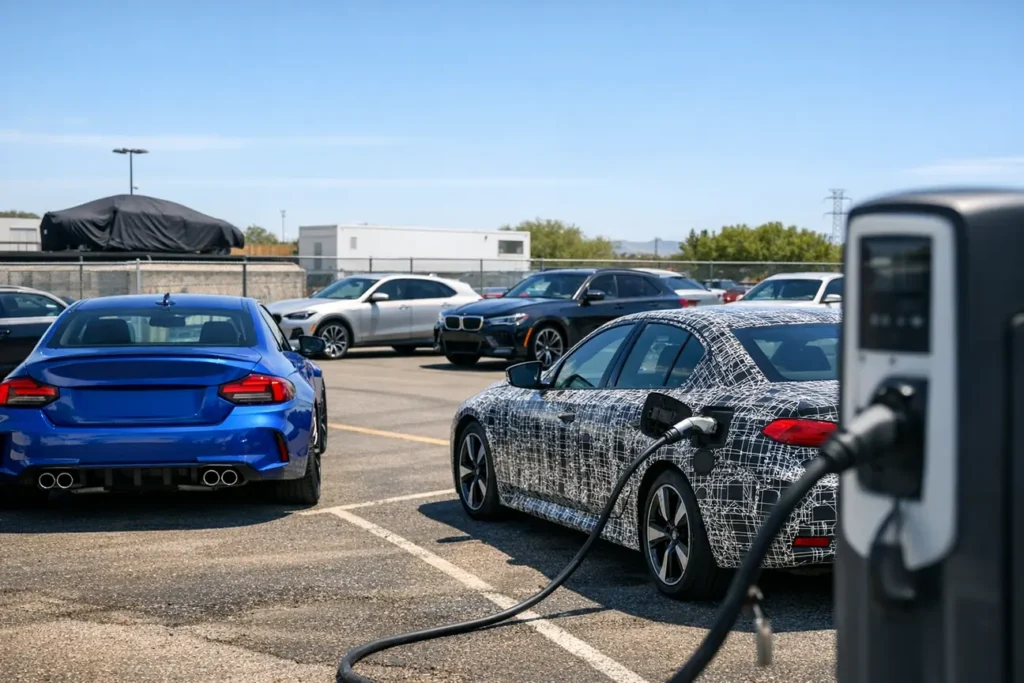
Supplier activity in Michigan is a key signal. Clarios plans to start producing supercapacitors in Holland, Michigan next year—components that deliver rapid power bursts and help stabilize voltage for by-wire actuators. Recent announcements from ZF and Brembo further suggest a potential agreement with at least one Detroit automaker. The localized footprint aligns with Ford’s Dearborn Truck Plant and GM’s Flint Assembly, potentially simplifying integration and supply logistics.
What by-wire means and where it exists today
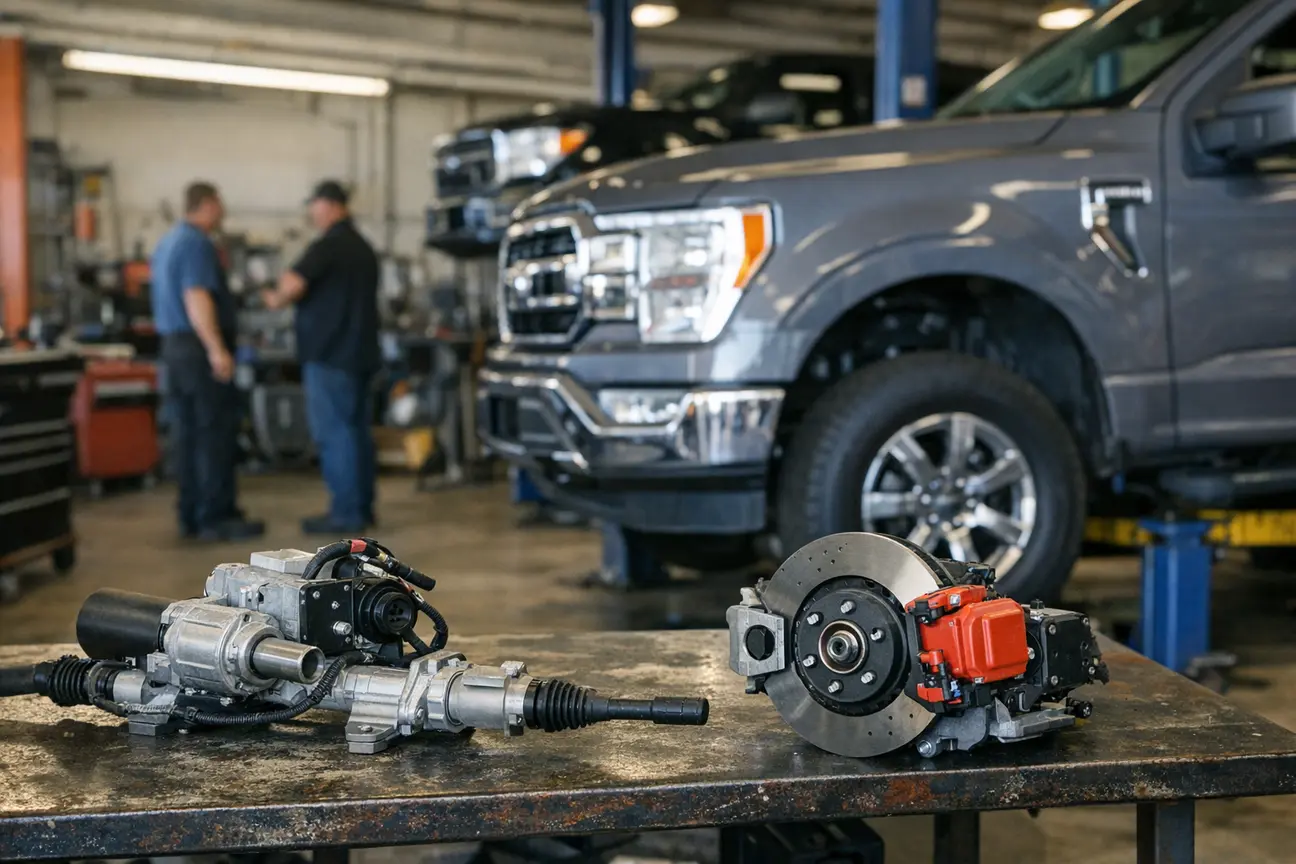
By-wire systems convert driver inputs into electronic signals that command steering or braking actuators, reducing or removing direct mechanical connections. Infiniti introduced a steer-by-wire setup in 2013 and Lexus later followed with the RZ—both kept mechanical backups. The Tesla Cybertruck is the first U.S. vehicle to use pure steer-by-wire without a physical linkage, as noted by The Drive.
Potential benefits
- Variable steering ratios for easier low-speed maneuvering, especially valuable as full-size pickups grow larger.
- Closer integration with driver-assistance features; brake-by-wire is already common and pairs well with regenerative braking on electrified models.
- Software-tunable steering and brake feel, enabling tailored modes for off-roading, towing, or daily driving.
Risks and concerns
- Added complexity and questions about long-term repairability versus simple mechanical linkages.
- Potential buyer skepticism and heightened sensitivity to recalls.
- Manufacturers may still include some mechanical redundancy to bolster consumer confidence.
Dealer and service implications
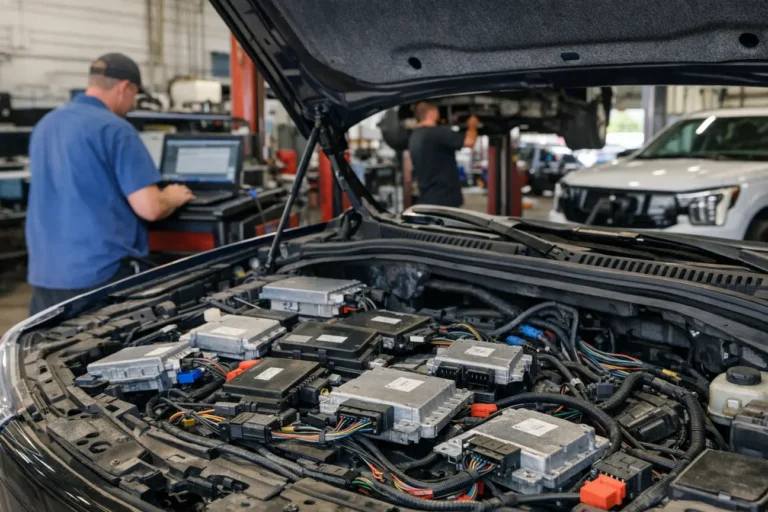
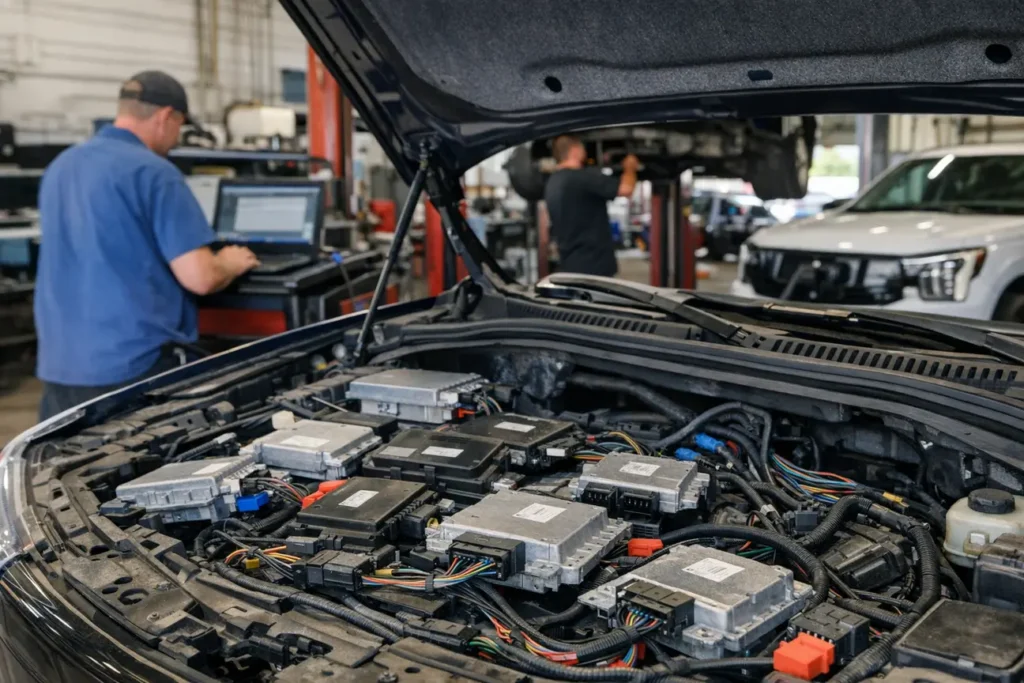
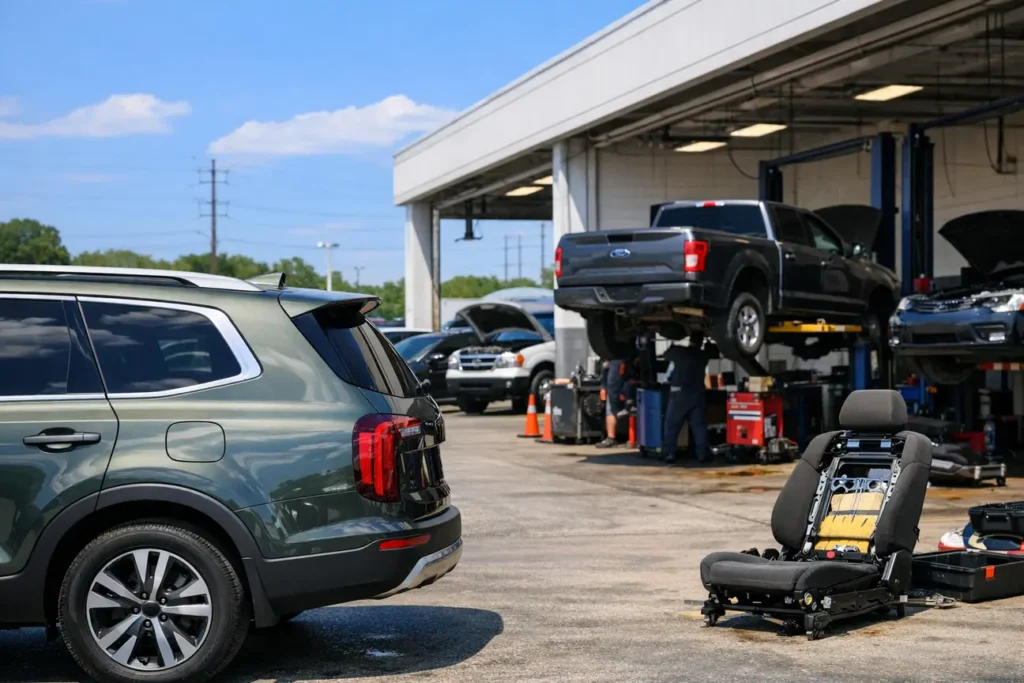
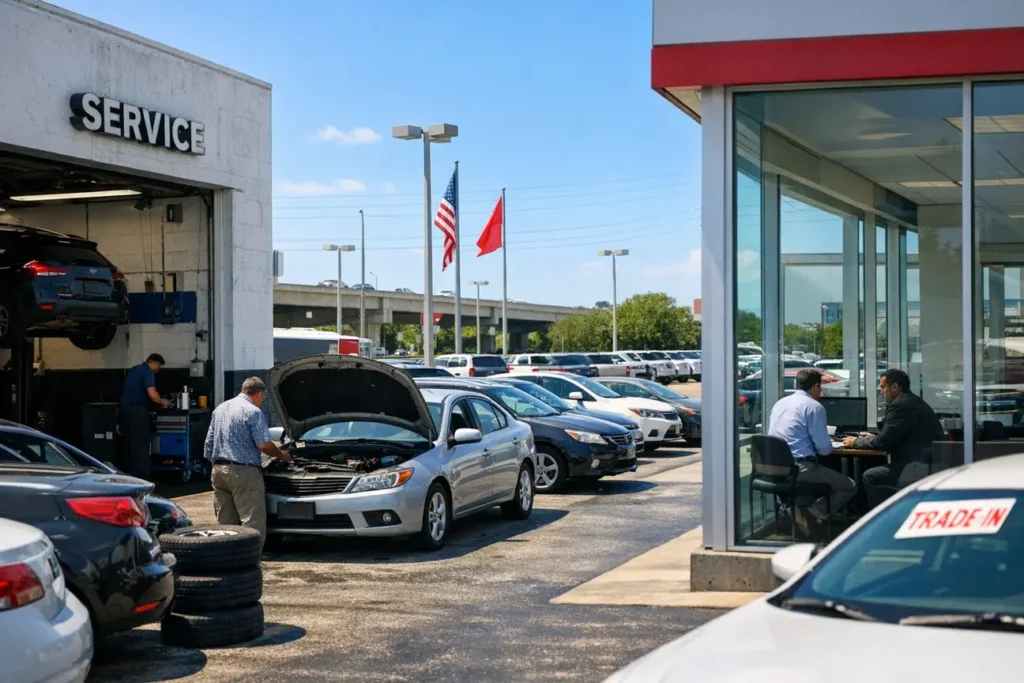
If adopted at high volume, dealerships would need new diagnostic capabilities and parts inventories for ECUs, actuators, sensors, and energy storage modules (including supercapacitors). Warranty and repair workflows may increasingly involve software updates alongside hardware replacement.
Timing and what to watch
The next-generation F-150 is expected as soon as 2028. Formal announcements could precede that as suppliers and automakers lock specifications. Clarios’ Michigan supercapacitor production slated for next year indicates supply readiness, but no automaker has been named and Ford has not confirmed by-wire plans.
Outlook
Bringing steer-by-wire and brake-by-wire to a flagship, high-volume pickup would be a watershed moment. Success hinges on delivering natural steering and braking feel, robust fail-safe behavior, and smooth serviceability. Industry observers will watch early adopters—particularly the Cybertruck—for real-world performance and reliability signals before broader pickup adoption.