
Overview
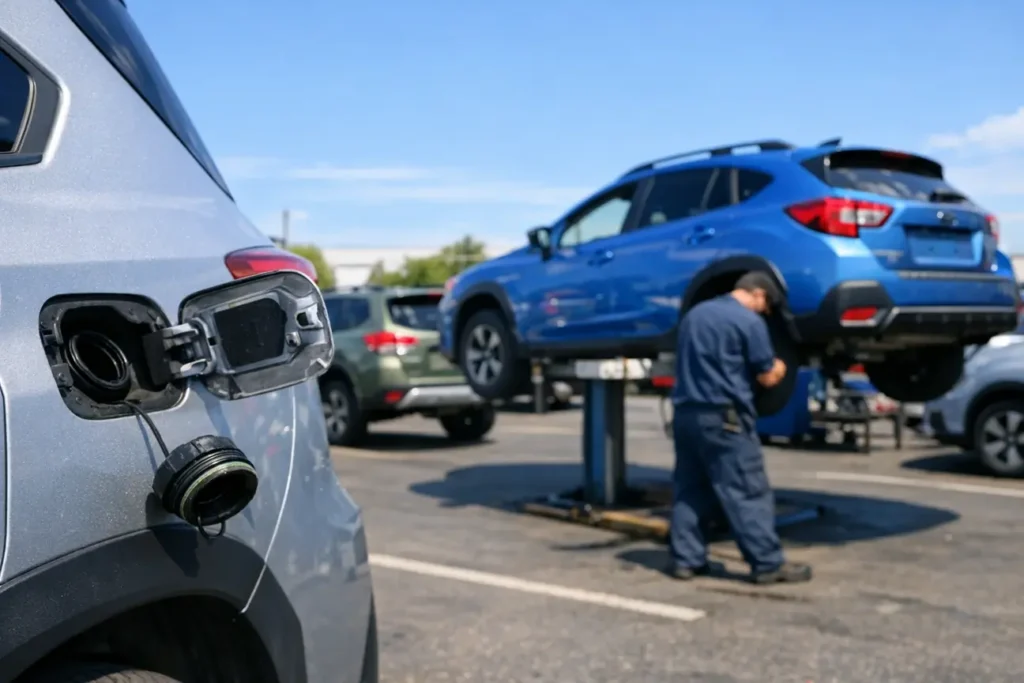
Thatcham Research warns that a growing shortage of skilled technicians in the U.K.’s vehicle repair and salvage sector is raising insurance costs, lengthening repair times, and eroding consumer confidence. As vehicles become more complex, Thatcham says the skills gap is widening across the insurance and repair supply chain and calls for an industry-wide commitment to invest in training.
Key points
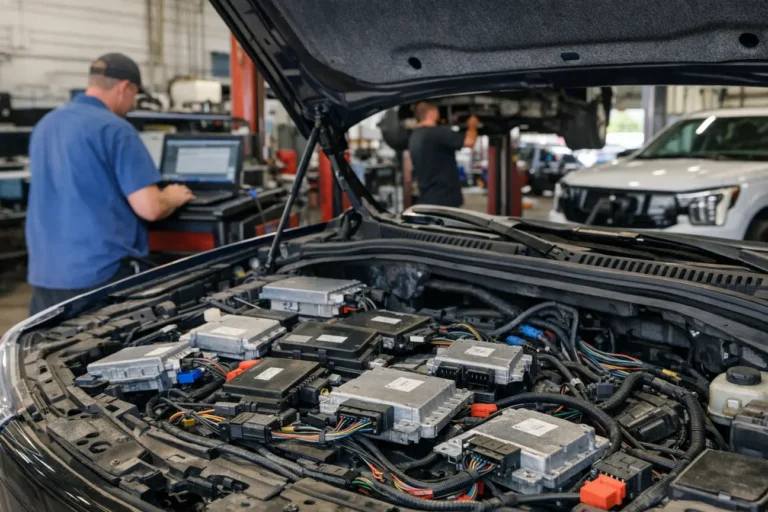
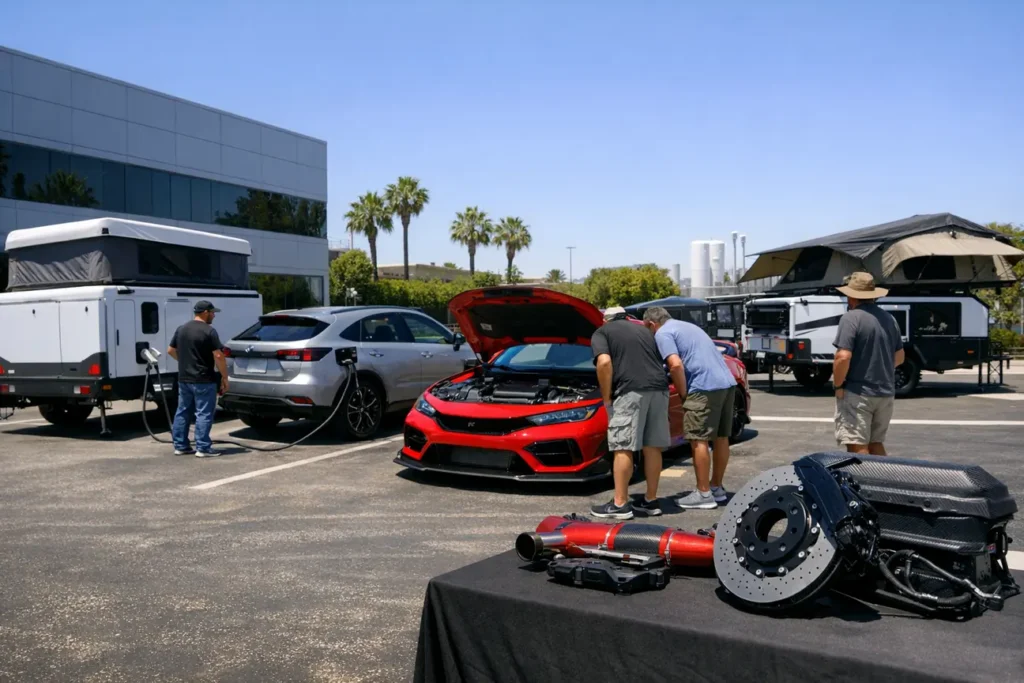
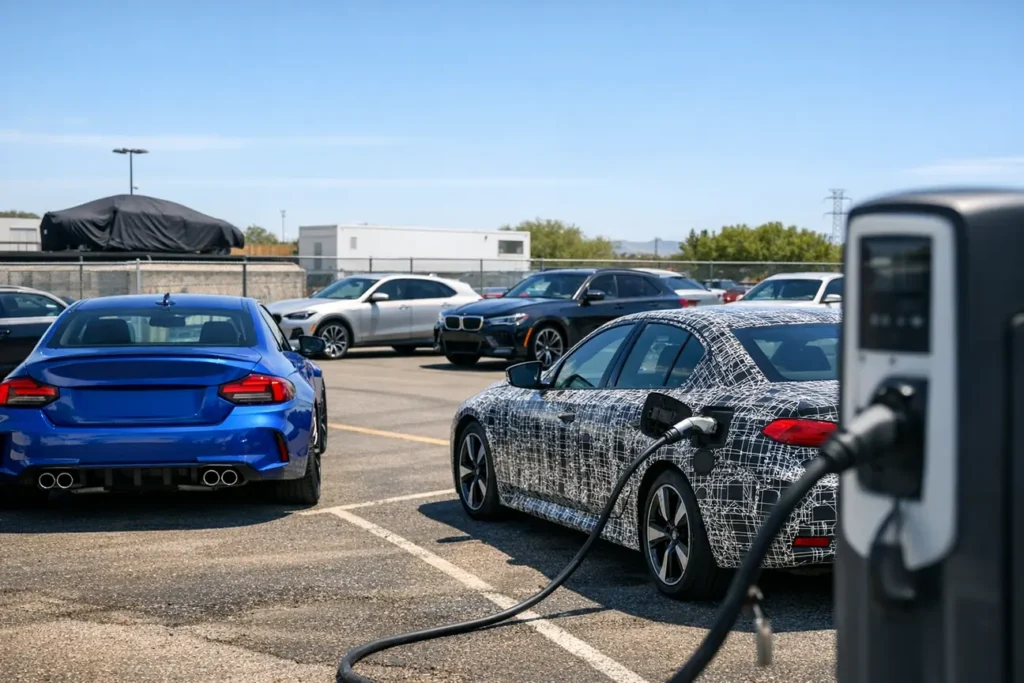
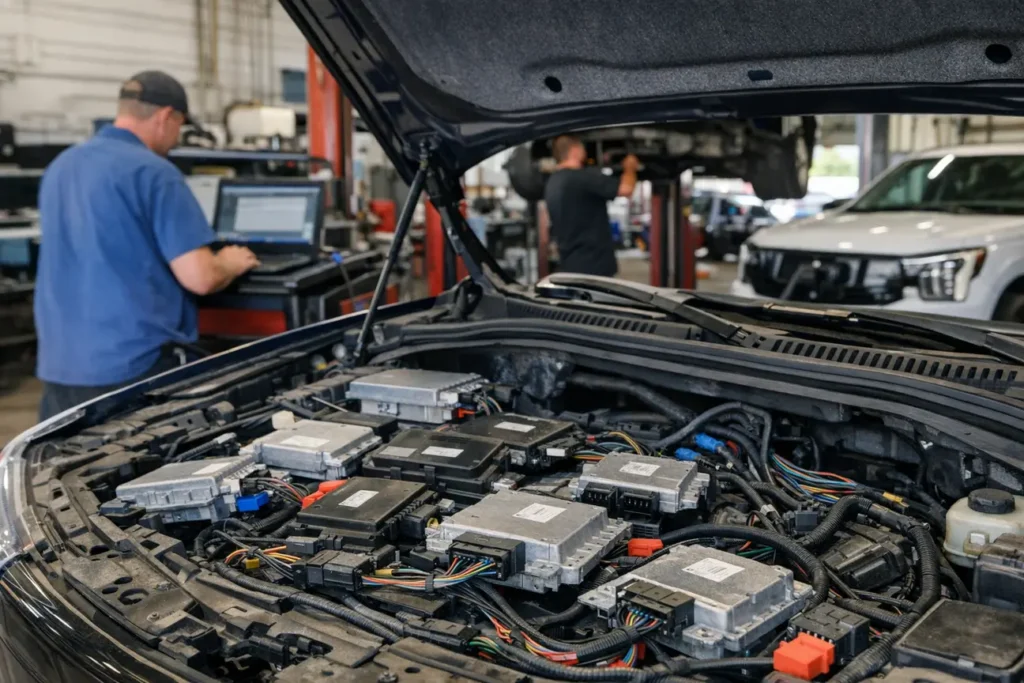
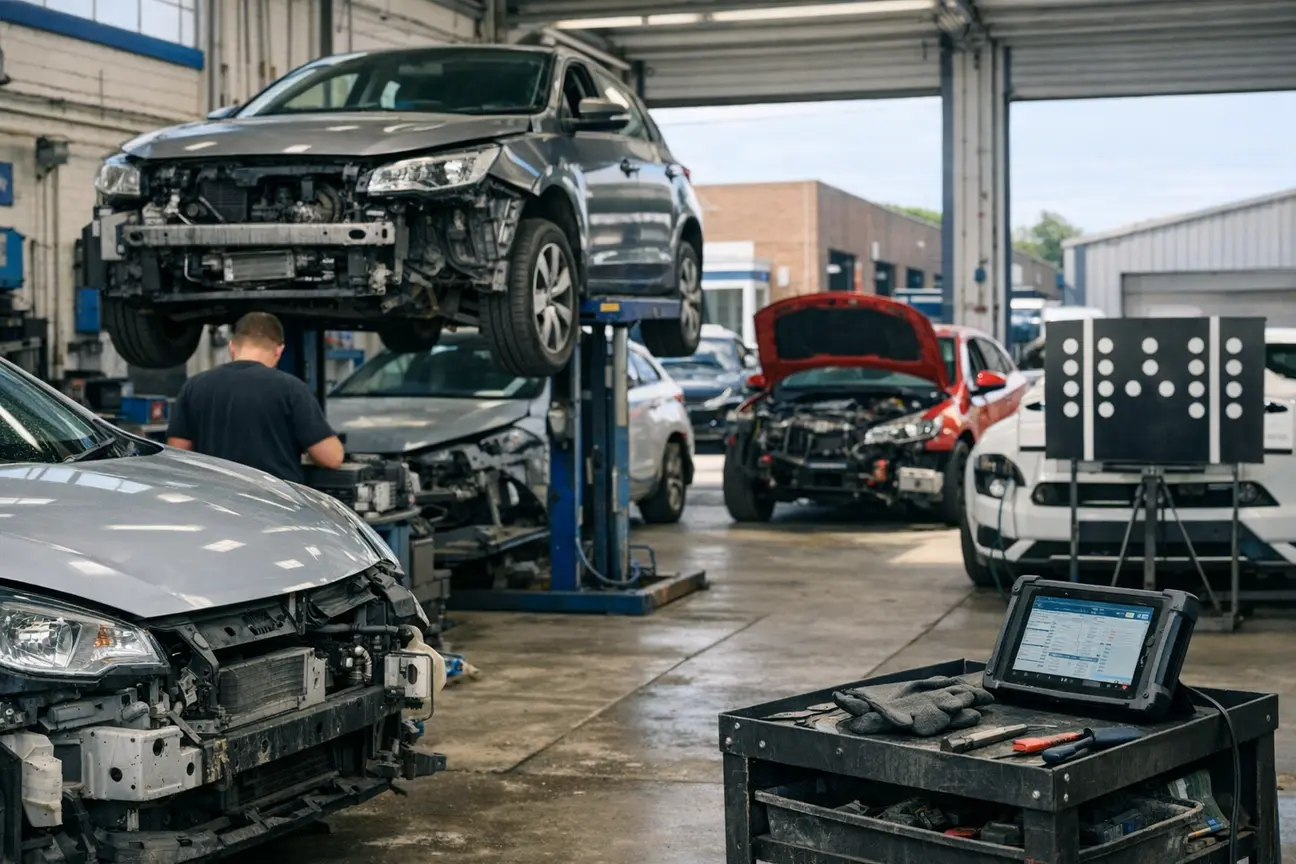
- Modern vehicles require specialist skills in diagnostics, high‑voltage safety for EV systems, and precise calibration of ADAS sensors and cameras.
- Insufficient OEM‑standard training leads to delays, rework, higher claim costs, and longer vehicle off‑road times, which Thatcham says undermines trust among drivers.
- Thatcham’s Automotive Academy has trained more than 5,000 technicians in the past five years, aligning courses with current technologies and manufacturer protocols.
What’s driving the shortage
- Rapid technological change outpacing upskilling efforts.
- Increased specialization in materials, construction, electronics, and software.
- Growing need for qualified damage assessors to reduce unnecessary write‑offs.
Thatcham’s approach
- Hands‑on training in EV systems, ADAS calibration, and advanced repair techniques.
- Upskilling pathways for experienced technicians and certification for new entrants.
- Curriculum aligned to OEM repair protocols to support safe, first‑time‑right repairs.
Implications for insurers and consumers
- Insurers face rising costs from extended repair cycles, courtesy car provision, storage, and rework.
- Thatcham contends more certified technicians would shorten turnaround times, improve first‑time fix rates, and rebuild customer confidence.
What Thatcham is urging
- Collaborative investment from manufacturers, insurers, repairers, and educators.
- Scalable use of existing training infrastructure rather than new policy proposals.
- Creation of sustainable career pathways to attract and retain talent.
Outlook
Thatcham frames closing the skills gap as essential to controlling costs and meeting expectations as vehicle technology advances. It argues that sustained training and wider availability of certified technicians can translate into faster cycle times, improved repair quality, and renewed driver confidence.