
Summary
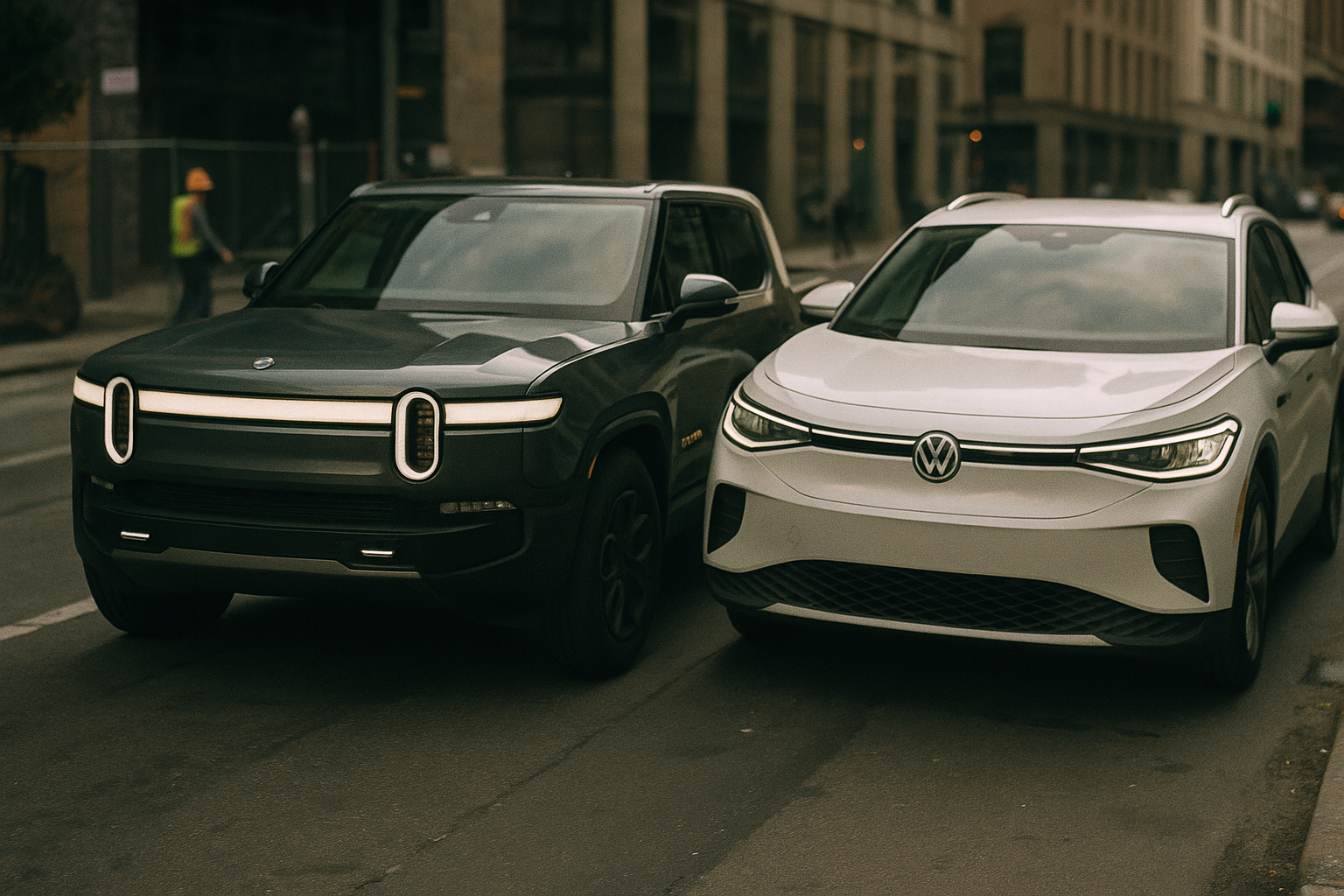
Rivian and Volkswagen plan to commercialize a co-developed software and electronics platform—built around a zonal vehicle architecture and advanced computing—for use not only in their own brands but also by other automakers. The platform, expected to underpin future Rivian, Audi, and Porsche models, will be offered via Rivian and Volkswagen Group Technologies and could later be adapted for internal combustion vehicles. The initiative follows Volkswagen’s $5.8 billion investment in Rivian and aims to lower electronics costs through purchasing scale while creating a new, higher-margin software revenue stream amid uneven EV demand.
Key points
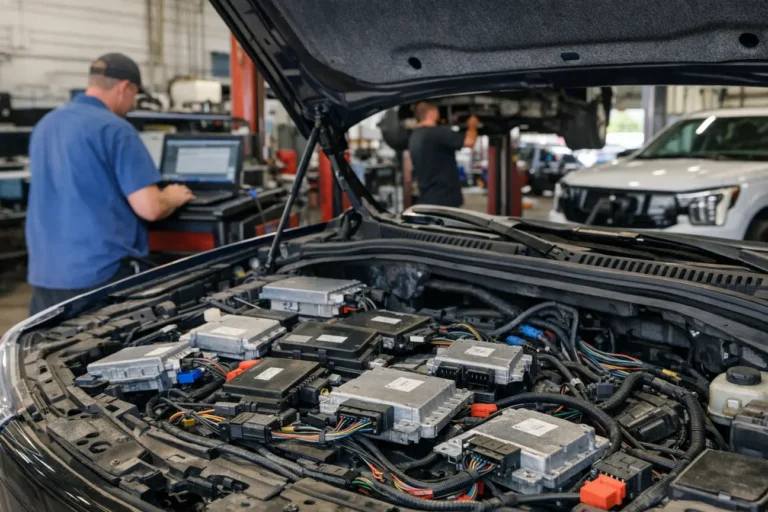
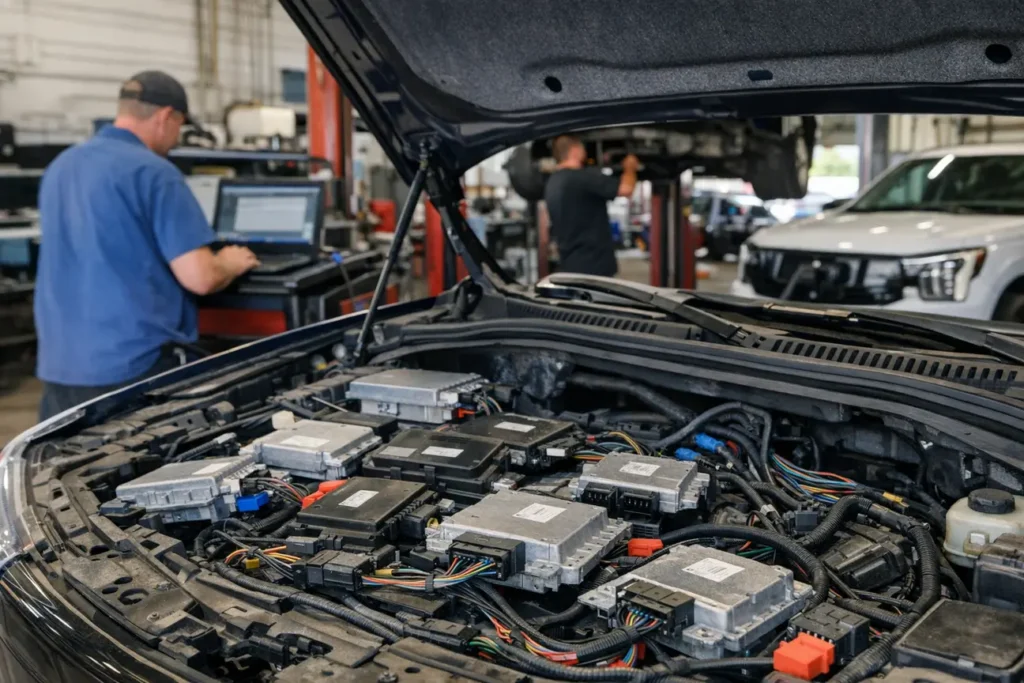
- Platform scope: zonal electrical architecture plus centralized computing/software intended for future Rivian, Audi, and Porsche vehicles, with Volkswagen leading development for its brands.
- Go-to-market: licensing and sales to other automakers through Rivian and Volkswagen Group Technologies, with potential extension to combustion vehicles.
- Business rationale: standardization to cut complexity, speed development, and enable consistent over-the-air updates; diversify income and reduce BOM costs via shared sourcing.
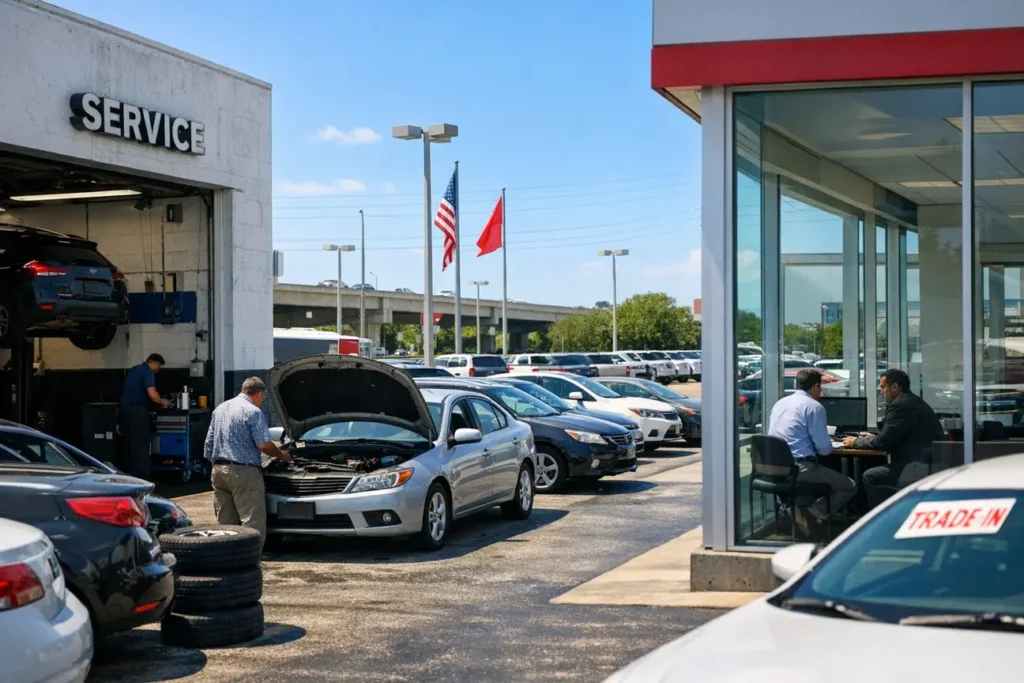
- Strategic backdrop: Volkswagen is recalibrating aspects of its EV strategy; Porsche dropped plans to build EV batteries in-house to focus on R&D; Audi is reassessing its timeline for ending new gasoline model introductions. Dealer networks face volume shortfalls after EV-focused facility investments.
- Market reaction: On Thursday, Rivian shares fell 7.81% and Volkswagen’s U.S.-traded securities dipped 0.99%, with declines not directly tied to this plan.
Why it matters
- Could evolve into a broadly adopted, standard technology stack that eases software integration challenges across automakers.
- Offers a higher-margin software revenue stream to offset EV transition costs and volatility in vehicle sales.
- Promises faster product refresh cycles and lower costs through common hardware/software and supply-chain leverage.
What remains unknown
- Which external automakers will adopt the platform, pricing, and timing for first sales.
- Licensing model details, update governance, data ownership, and regional compliance support.
- Technical pathway and scope for adapting the architecture to internal combustion vehicles.
Bigger picture
The move aligns with the industry shift to centralized, software-defined vehicles. By externalizing their stack, Rivian and Volkswagen aim to become a backbone supplier for core vehicle software and electronics, moving beyond internal cost-sharing to direct technology sales.