
Summary
Auto lenders report that affordability pressures continue to sideline buyers and weigh on sales despite recent Fed rate cuts. Higher transaction prices, larger financed amounts, and rising ownership costs—especially insurance—are keeping monthly payments elevated and dampening demand. Panelists at the AFSA Vehicle Finance Conference indicated 2026 sales are trending downward amid economic uncertainty.
Key data points
- New-vehicle loan payment (Q4 2025): $785 per month, up 3.7% year over year.
- Average amount financed on new vehicles (Q4 2025): $44,650, up 5.3% year over year.
- Used-vehicle loan payment (Q4 2025): $541 per month, up 3.6% year over year.
- Used-vehicle monthly payments now approach pre-pandemic new-vehicle payment levels.
- Auto insurance premiums rose an average of 12.7% per year over the past five years.
Rates, pass-through, and ownership costs
Benchmark rate cuts have not yet translated into lower consumer borrowing costs. Larger principal balances and still-elevated rates are sustaining high payments. At the same time, increases in maintenance, repair, parts, and especially insurance intensify the perception that vehicles are out of reach.
Loan performance and the subprime picture
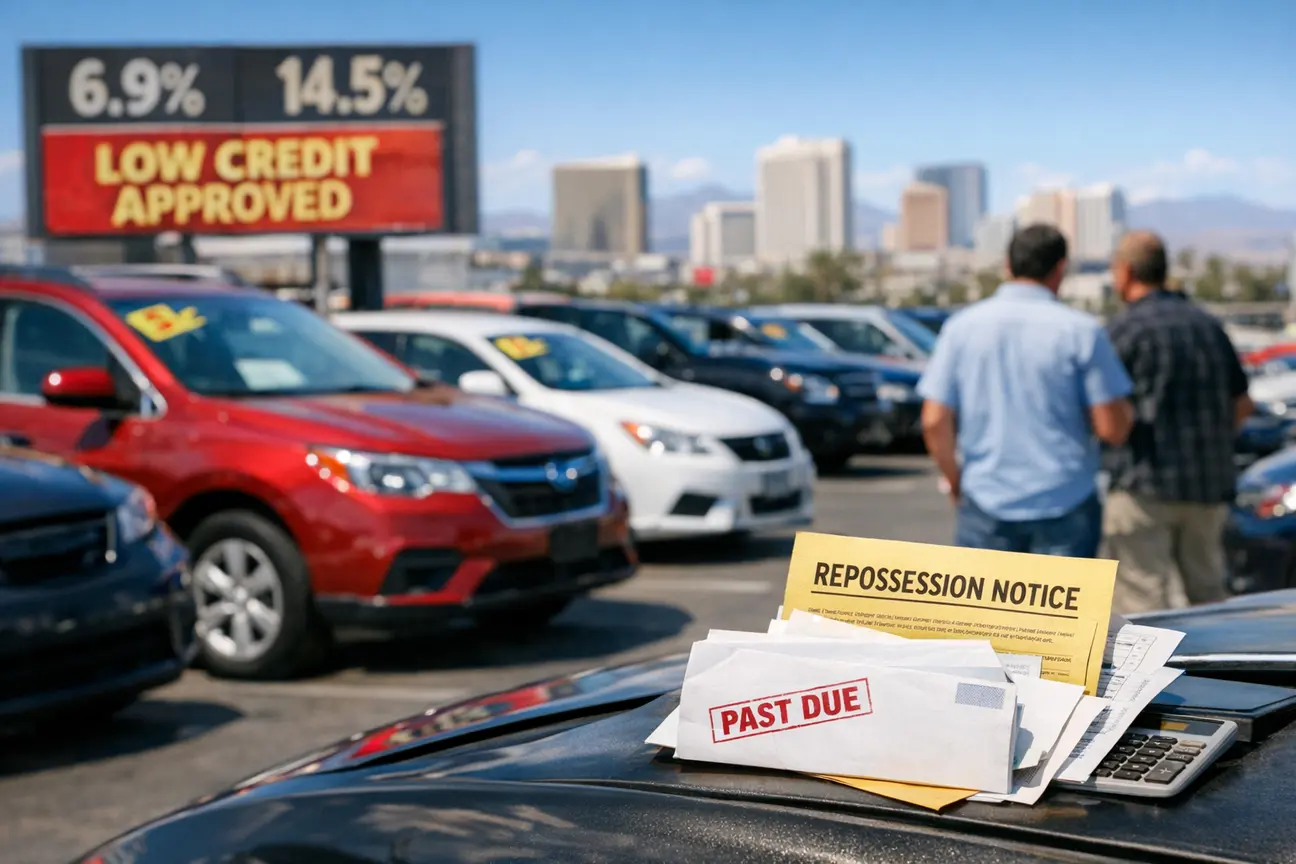
- Prime delinquencies and losses now exceed pre-pandemic levels (but remain below 2008–2009 peaks).
- Subprime performance is deteriorating more sharply, with weaker outcomes than prime.
ABS market shifts
More subprime—including deep subprime—specialists are accessing the ABS market, even as lower-credit performance worsens. While prime issuers still dominate, increased subprime securitization could raise funding costs and tighten credit if delinquency and loss rates continue to rise.
Implications for dealers and consumers
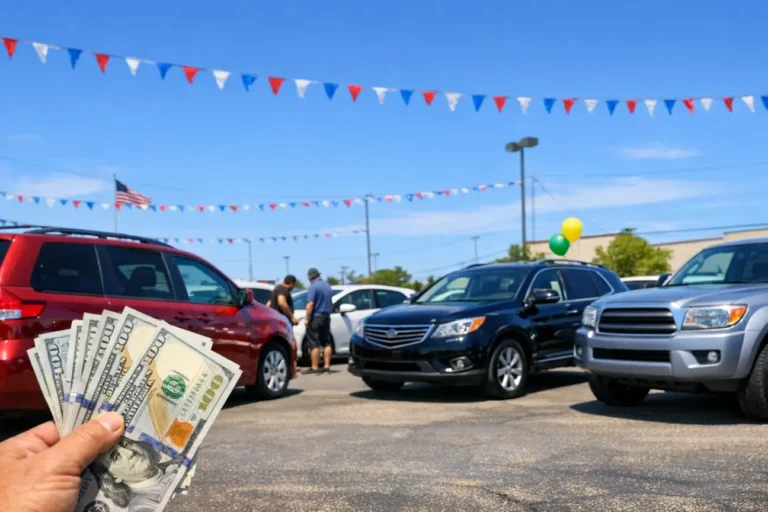
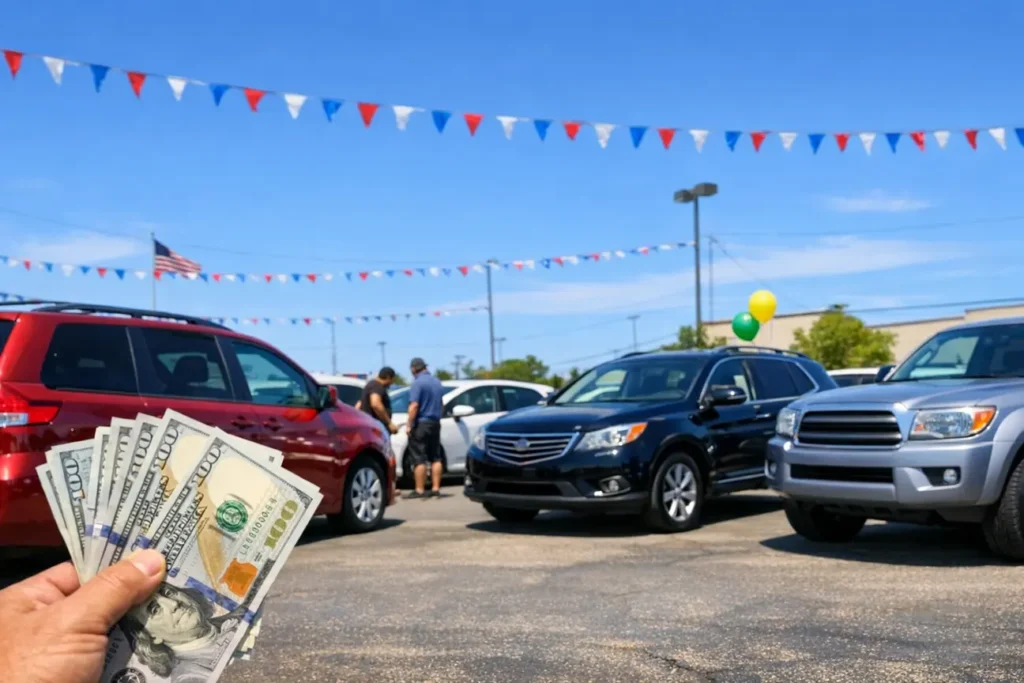
- Persistent gap between what buyers can afford and current payments is suppressing showroom traffic and close rates.
- Lenders may tighten standards or price more for risk, limiting approvals and pushing payments higher.
- Economic uncertainty is delaying purchases, even for some who could qualify.
Outlook for 2026
Speakers expect downward pressure on sales to persist until borrowing costs ease meaningfully for consumers and delinquency trends stabilize. For now, tight budgets, cautious buyers, and elevated ownership costs keep affordability at the center of the industry’s 2026 outlook.