
Summary
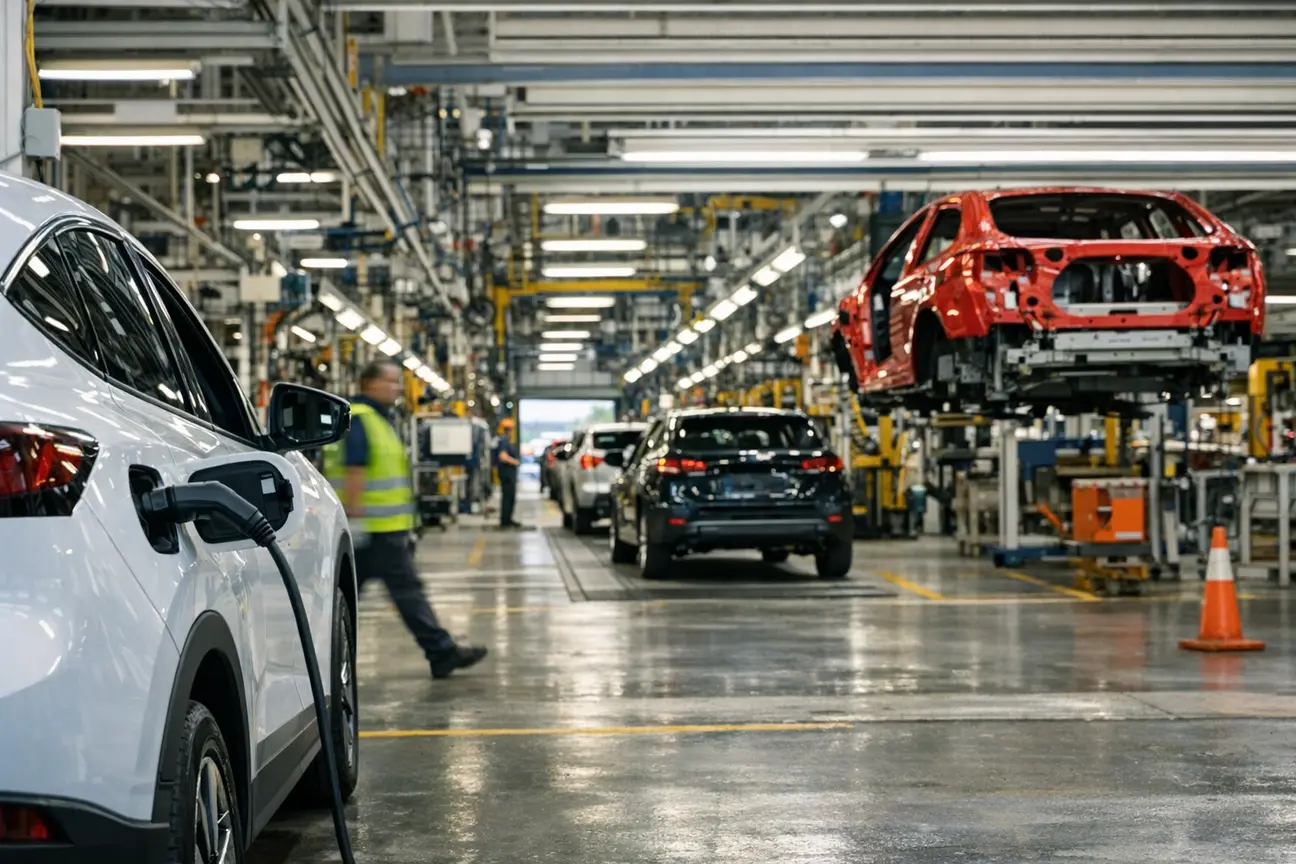
UK vehicle manufacturing endured its toughest year in a generation in 2025 but is expected to recover in 2026, driven by next-generation electric vehicle production in Sunderland and seven new UK-built EV launches.
2025 production snapshot
- Total light vehicles: 764,715 (down 15.5% year over year)
- Cars: 717,371 (down 8.0%)
- Light commercial vehicles (LCVs): 47,344 (down 62.3%)
Electrified vehicle momentum
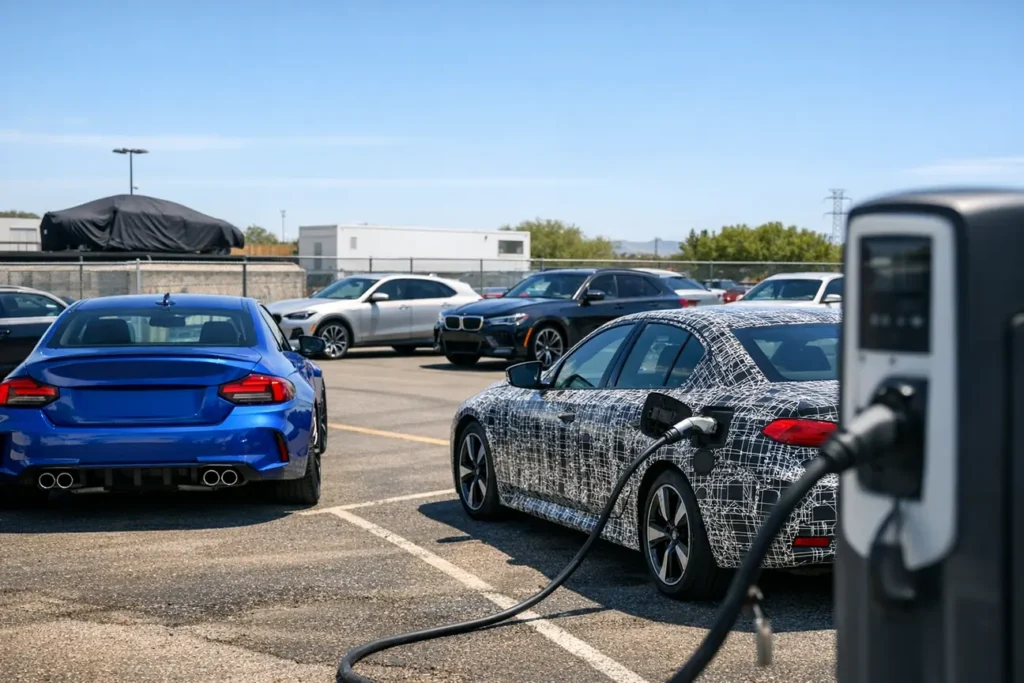
- Electrified car output: 298,813 (up 8.3%)
- Share of car production: 41.7% (record high for BEV, PHEV, HEV combined)
Growth in electrified models contrasted with the overall decline, indicating prioritization and/or stronger demand relative to internal-combustion models.
Why 2025 was so tough
- Sector-wide structural changes
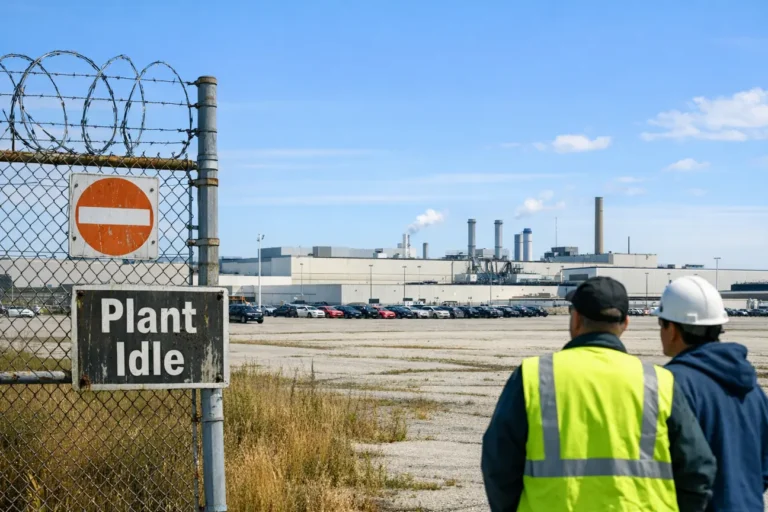
- Cyber-attack that halted Jaguar Land Rover production
- New trade barriers adding friction and costs
Outlook and forecasts
- 2026 cars: more than +10% to about 790,000 units (independent outlook cited by SMMT)
- 2026 light vehicles: about 824,000 units
- 2027 light vehicles: potential to reach 1 million units if programs and conditions hold
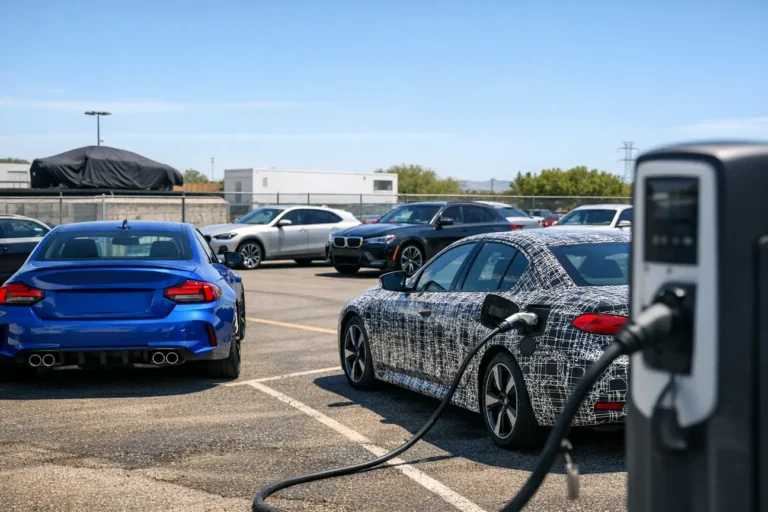
Key drivers include Sunderland’s next-gen EV ramp and the launch of seven additional UK-built electric models.
What must go right
- Competitive conditions to attract and sustain investment
- Lower industrial energy costs
- Avoidance of new trade barriers
- A healthy, sustainable domestic market to absorb output
- Timely delivery of government Industrial and Trade strategies (“2026 must be a year of delivery”)
Segment dynamics
The 62.3% collapse in LCV output made the downturn uneven, reflecting the segment’s sensitivity to business confidence and logistics conditions. A recovery is expected alongside cars in 2026, though separate LCV forecasts were not provided.
What’s unspecified
- No model-level or plant-by-plant breakdown beyond Sunderland
- No details on the seven EV models or launch timing
- No monthly figures, export shares, or identification of the independent forecaster