

Dealership M&A rebounded in Q3 2025
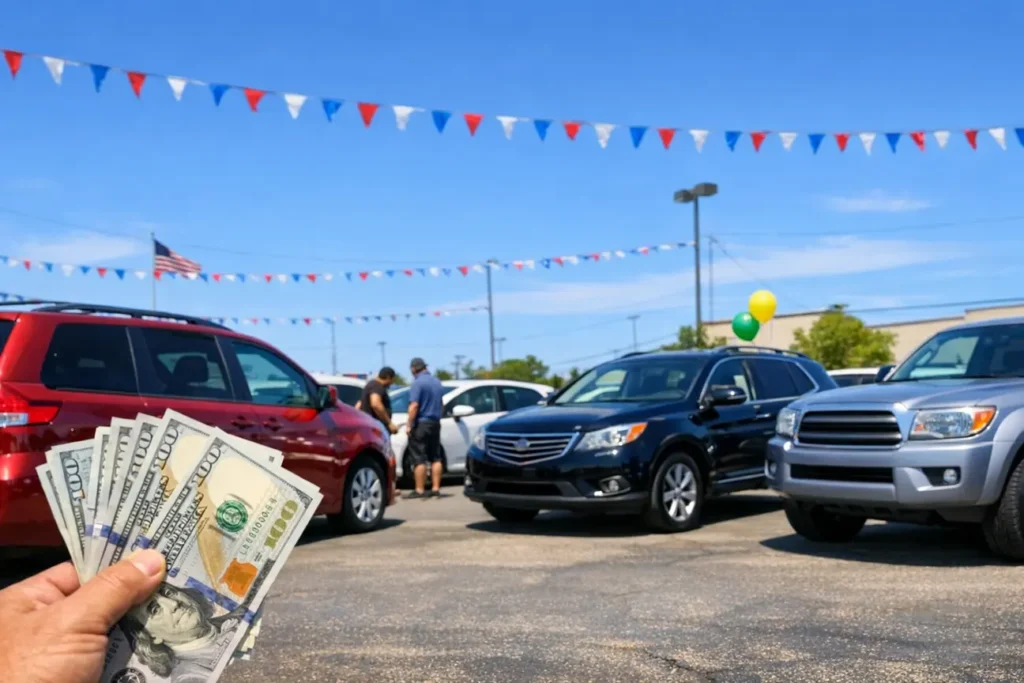
U.S. dealership buy-sell activity accelerated in the third quarter of 2025, with 148 stores changing hands. If sustained, that pace would approach 600 transactions for the year. The pickup followed a slow first quarter tied to election uncertainty and reflected buyers’ renewed focus on current earnings and brand trajectories, according to comments from Alan Haig on a Nov. 14 Car Dealership Guy Podcast Recap.
Who’s buying
Private dealers continue to dominate acquisitions across the spectrum—from first-time owners to private equity-backed groups—despite some notable public retailer deals.
How stores are being valued
Buyers are pricing off what stores earn today rather than averaging pandemic-era profits or reverting to 2019 baselines. Current profitability remains roughly double 2019 levels, widening the valuation gap between brands gaining share and those facing throughput or product headwinds.
Brand-level performance and valuations
- Toyota/Lexus: Flexible powertrain strategy is driving near-record dealer profitability. Blue sky multiples have risen from about 5x earnings to more than 7x.
- Hyundai/Kia: Strong product availability and market share gains are translating to $5–10 million annual profits per store in many cases. Valuations have climbed to roughly 4–5x earnings (from 3–4x a decade ago).
- Volkswagen Group (Audi, VW, Porsche): Early EV emphasis without parallel ICE innovation and limited U.S. production are pressuring throughput and store economics. Audi valuations have fallen the most in 2025, with many stores breaking even or losing money.
- Detroit brands (GM, Ford): Value plays at about 3–5x earnings. Local consolidation can yield attractive returns as buyers capture gross with limited incremental expense, even assuming significant customer attrition at the closed point.
- Stellantis/Nissan: Signs of sales stabilization in Q3 offer relief, but incentive structures (e.g., stair-steps) can undermine store-level profitability.
Geography and business climate
Location is increasingly influencing buy-side mandates, with more buyers requesting opportunities in red states due to regulatory and business-climate considerations. The recap also reports that eliminating CARB requirements nationwide has helped restore California’s appeal, citing one remarketed deal that received a 30% higher offer after CARB was removed (as claimed in the recap).
Broker-heavy markets and OEM responses
In broker-heavy metros (e.g., Los Angeles, Miami, parts of the Northeast), dealers have leaned on volume at thinner margins, often without building durable customer relationships. Some OEMs are taking steps to curb brokered transactions—Mercedes was cited—which could improve dealer margins and enhance access to customer data.
Fixed operations and the lag effect
Years of lower new-vehicle sales at certain brands may dampen near-term fixed operations as fewer units in operation cycle back for service. Operators are factoring this lag into acquisition underwriting and capital plans.
Financial context and outlook
The discussion framed activity against a shifting financial backdrop, including the claim that rate cuts are reshaping buyer math, and noted that fourth-quarter buy-sell activity is “exploding.” Capital is flowing toward brands with flexible product strategies and consistent margins, and into markets perceived to have fewer barriers to growth. As 2025 closes, deal volume has regained speed and could approach prior highs if conditions hold.