
Key takeaways
- Volvo plans next-gen plug-in hybrids with about 100 miles of electric-only range, positioning them as a bridge for drivers not ready to go fully electric.
- Total combined range is targeted at 800–1,000 km (roughly 500–620 miles) using electricity plus gasoline.
- These “extended-range plug-in hybrids” aim to deliver EV-like acceleration and daily driving on battery power, with a gasoline engine as backup for longer trips.
- No specifics yet on battery size, charging speed, pricing, or which models get the system; timing was not disclosed.
- Announcement comes alongside the 2027 EX60 EV debut, reinforcing Volvo’s phased approach to electrification.
How Volvo’s approach works
- Operates primarily as an EV in city and suburban driving for efficiency and smoothness.
- On highways, the gas engine can clutch in to drive the wheels directly, avoiding conversion losses from generating electricity first.
- Differs from traditional EREVs (range-extenders) where the engine only generates electricity and never drives the wheels mechanically.
What it means for drivers
- Most commutes and errands can be completed on electricity if regular charging is available.
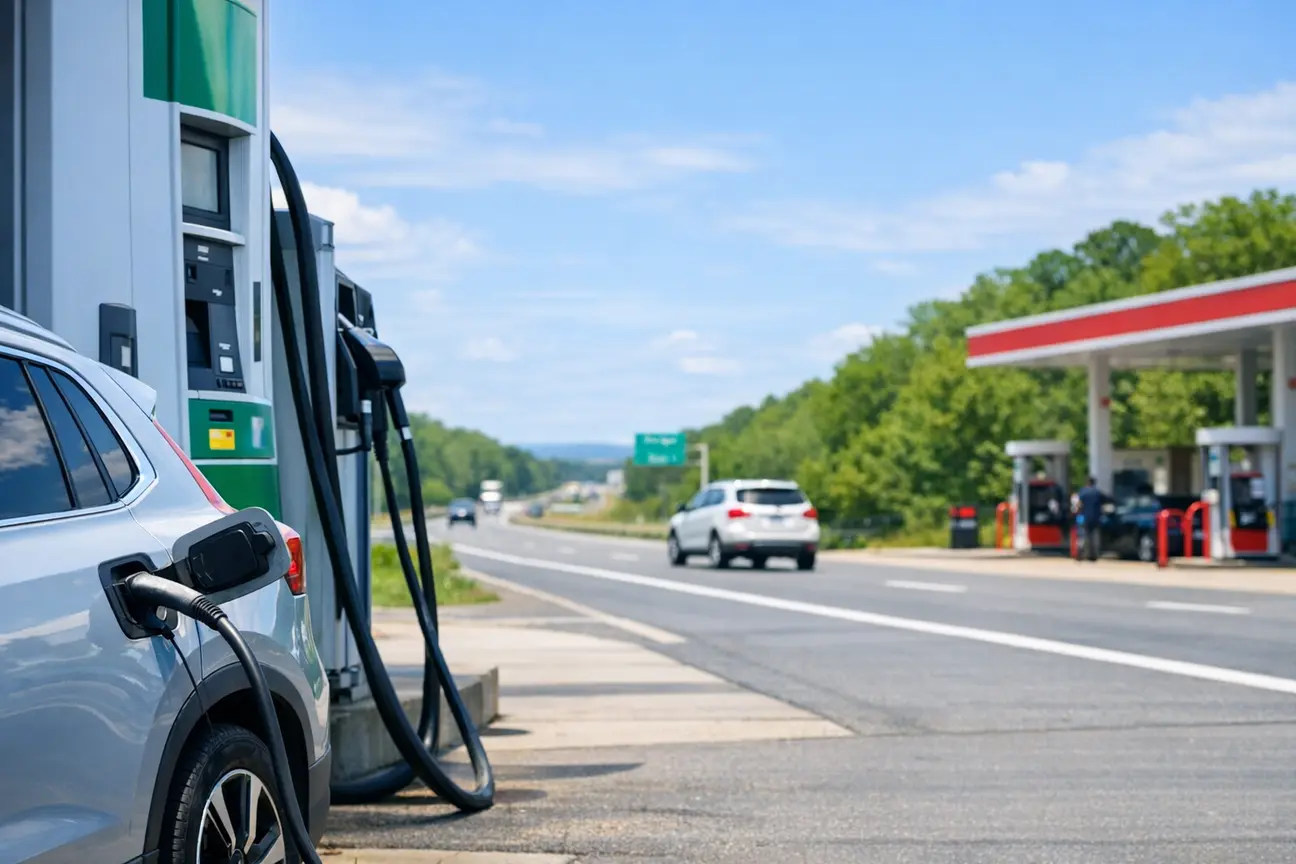
- Gasoline use is mainly for road trips or when charging is inconvenient, with faster refueling when needed.
- Volvo expects the experience to nudge hesitant buyers toward full EVs over time.
Open questions
- Battery capacity, charging speeds, model rollout timing, and how added battery size affects weight, cargo space, and towing.
- Pricing strategy and sales targets for the updated plug-in lineup.
Outlook
Volvo frames long-range plug-in hybrids as “bridging technology” to ease the transition to full electrification, with no preset end date as long as customer demand persists.