
Summary
Battery-electric vehicles (BEVs) drove Europe’s new-car market growth in November 2025, with Chinese brands—led by BYD—making major gains. Overall registrations rose modestly year over year, while BEVs expanded sharply to nearly a quarter of the market. Internal combustion engine (ICE) cars continued to decline, despite remaining the single largest powertrain by share.
Key numbers for November 2025
- Total registrations: 1,075,922 (+2.3% YoY)
- BEV registrations: 252,336 (+37% YoY), reaching a 23.5% market share
- BEV volumes vs. October 2025: +27,000+ units
- ICE registrations: 329,064 (−20% YoY), with a 30.6% share
Brand and model highlights
- BYD led Chinese manufacturers with 21,043 registrations, more than doubling its November 2024 result, signaling stronger supply and growing consumer acceptance.
- Tesla Model 3 was the most-registered BEV, up 45% year over year, underscoring the continued strength of established electric nameplates.
- Chinese OEMs collectively were key contributors to the month’s year-on-year growth in BEVs.
Why BEVs are growing
- Regulation: EU CO₂ penalties assessed over a three-year period still push OEMs to prioritize BEVs to meet fleet targets and avoid fines.
- Policy: New incentives in markets such as Italy are supporting demand by improving affordability and total cost of ownership.
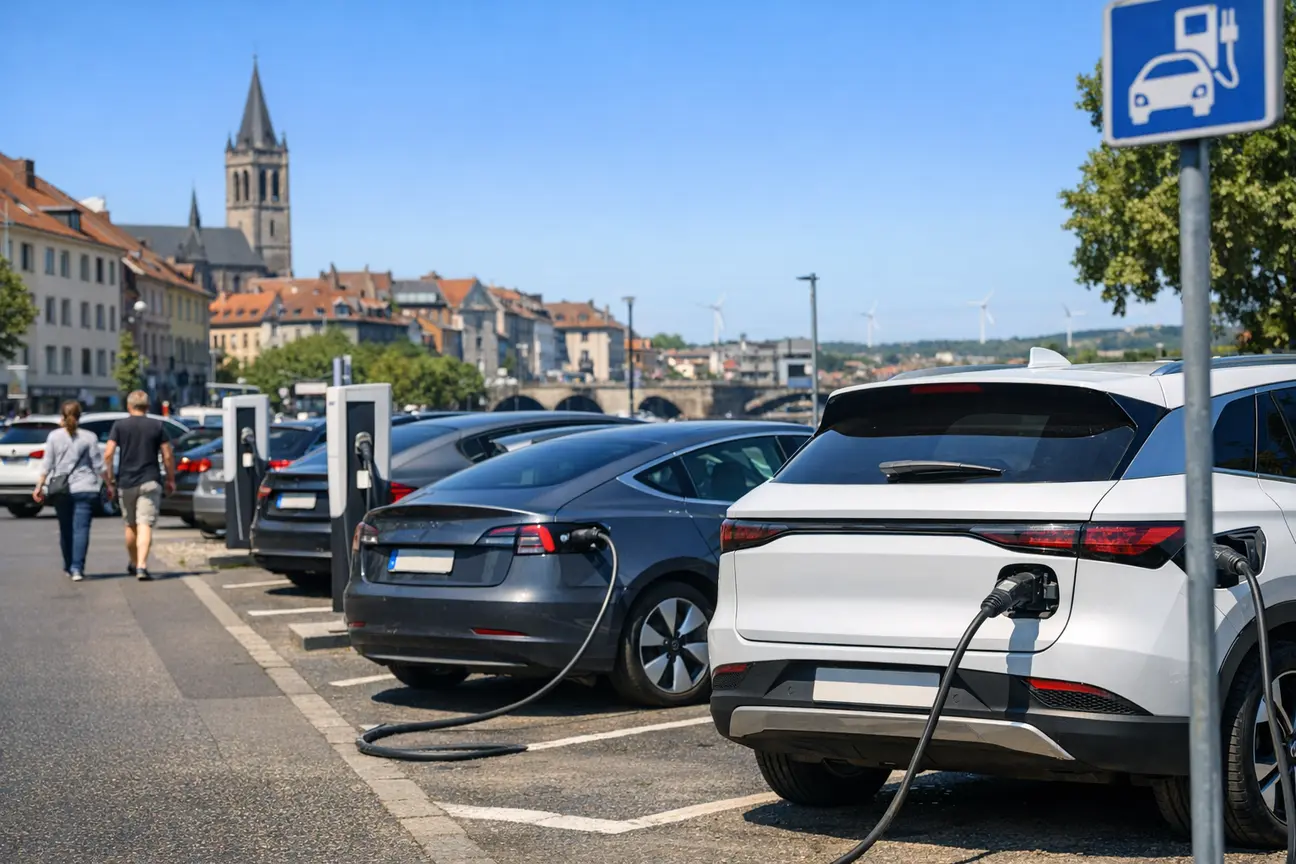
- Infrastructure: Charging networks are improving—slowly—helping reduce adoption barriers.
Market implications
BEVs were the primary engine of November’s overall market expansion, offsetting declines in ICE vehicles. The mix shift reflects manufacturers’ emissions-compliance strategies, supportive national policies, and gradual charging buildouts. As BEV share climbs and ICE volumes slide, competitive dynamics are reshaping, with established electric leaders (e.g., Tesla) growing alongside fast-advancing entrants from China, notably BYD.