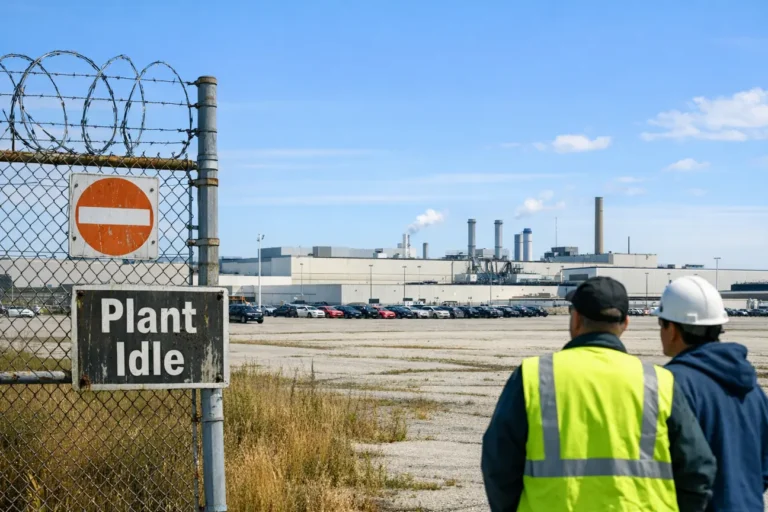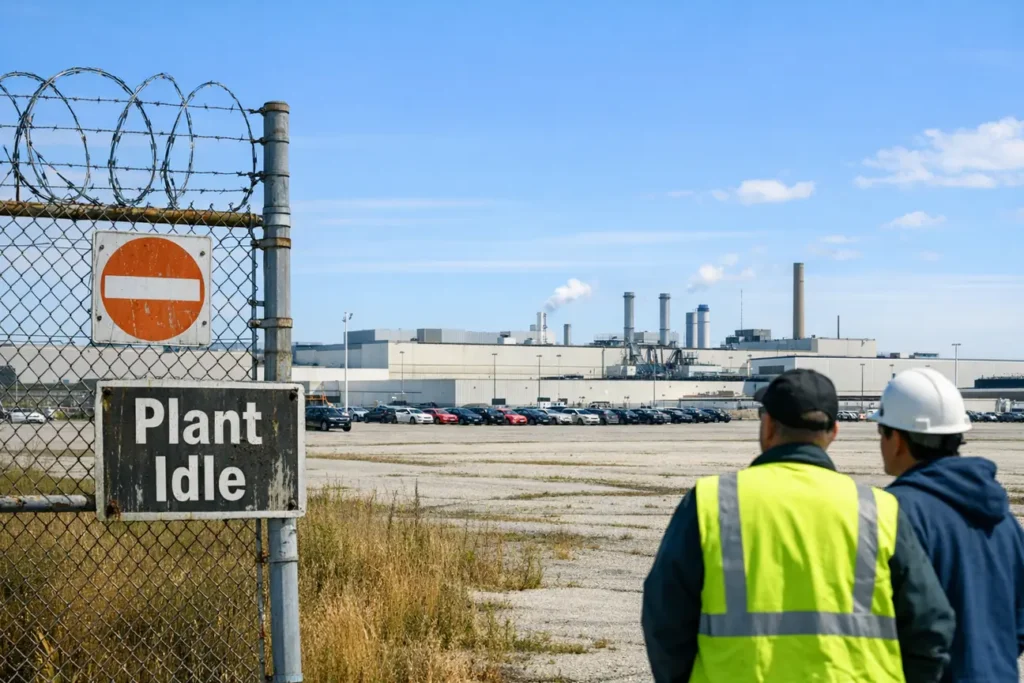


Ford CEO Jim Farley reiterated that the company exited sedans because it couldn’t build them competitively and still make money, underscoring a focus on higher-volume trucks and SUVs plus a single muscle car. He added a cautious “never say never,” leaving the door ajar for a sedan return if conditions change, according to The Drive’s Jan. 21 Downshift roundup.
Ford’s strategy in North America
- Current mix: trucks, SUVs, and one performance coupe; no sedans due to profitability challenges.
- Rationale: prioritize segments with stronger margins and sustained demand while the company invests in electrification and software.
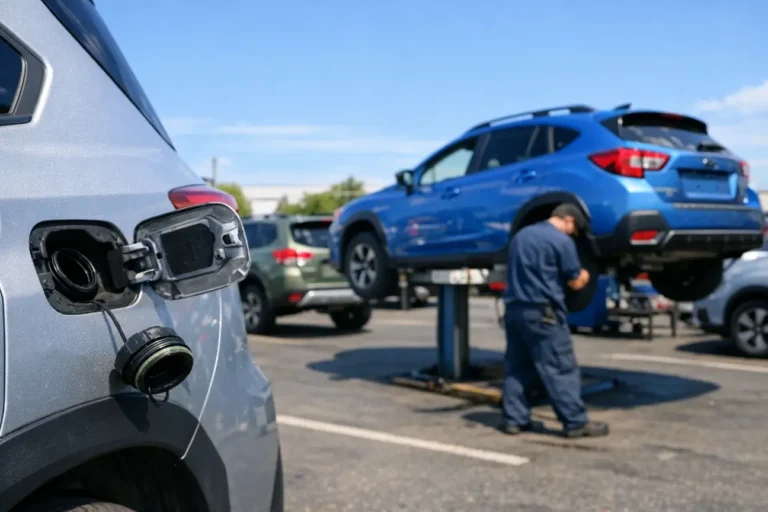
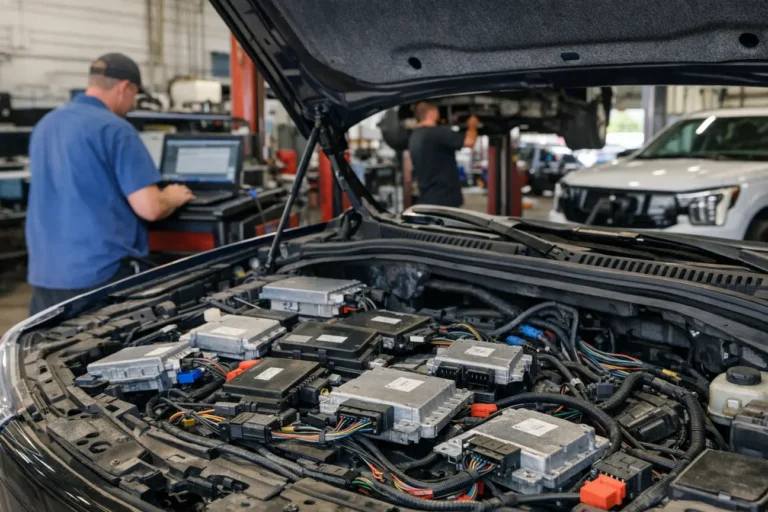
- Operational note: a recall of 119,075 vehicles related to block heaters was highlighted; models and defect details weren’t specified in the brief.
Why it matters
Farley’s comments reflect industry-wide capital discipline and the shift toward crossovers and trucks. Any sedan comeback would represent a notable pivot after years of leaning into larger, higher-margin vehicles.
Other industry moves noted by The Drive
- Acura: Dealers expect about a two-year wait for the next RDX, attributed to an EV-focused push, prompting short-term frustration.
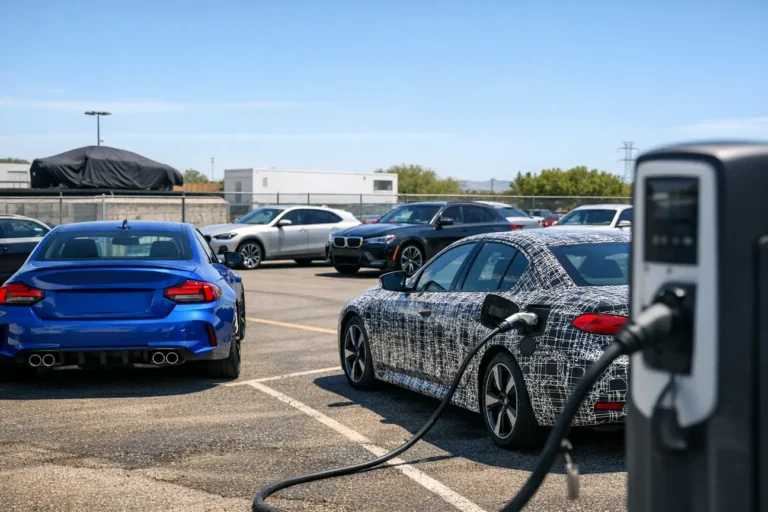
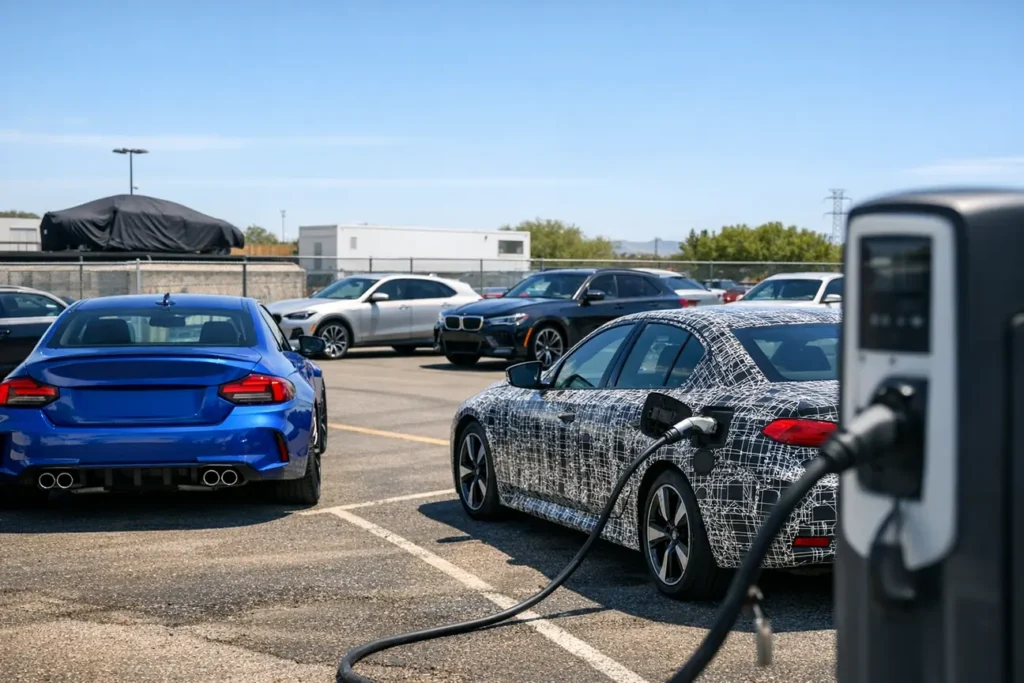
- BMW: Preparing to build some EVs in the U.S. after addressing a battery supply issue, aligning with incentives and supply-chain localization.
- Lamborghini: Reported a new sales record, crediting hybrids for the brand’s momentum.
- Mercedes-Benz S-Class: Adding heated seat belts and an illuminated hood ornament in its update.
- Kia: The 2027 Niro debuted with refreshed styling and a mild interior update; range and pricing weren’t detailed.
- Hyundai/Genesis: Executives reportedly hope the Magma performance sub-brand will help lift Genesis sales by 650% in Europe.
- Mercedes-Benz: A GLC 53 plug-in hybrid with an inline-six is reportedly on the way.
- Aston Martin x Honda: Their F1 collaboration could extend to a road car project, though the immediate focus remains on racing.
Outlook
Ford’s near-term lineup will continue to emphasize profitable trucks and utilities while monitoring market and cost dynamics that could someday justify a sedan. Across the industry, manufacturers are balancing EV investments, supply-chain shifts, and product timing to protect margins.