
Summary
Artificial intelligence is set to shift from isolated point tools to the connective tissue of dealership operations by 2026. The winners will be operators that re-platform workflows—from lead handling to reconditioning—so execution is consistent, measurable, and scalable, rather than stores that merely “try AI.” In a steady-but-pressured market, operational excellence becomes the growth strategy.
Why it matters now
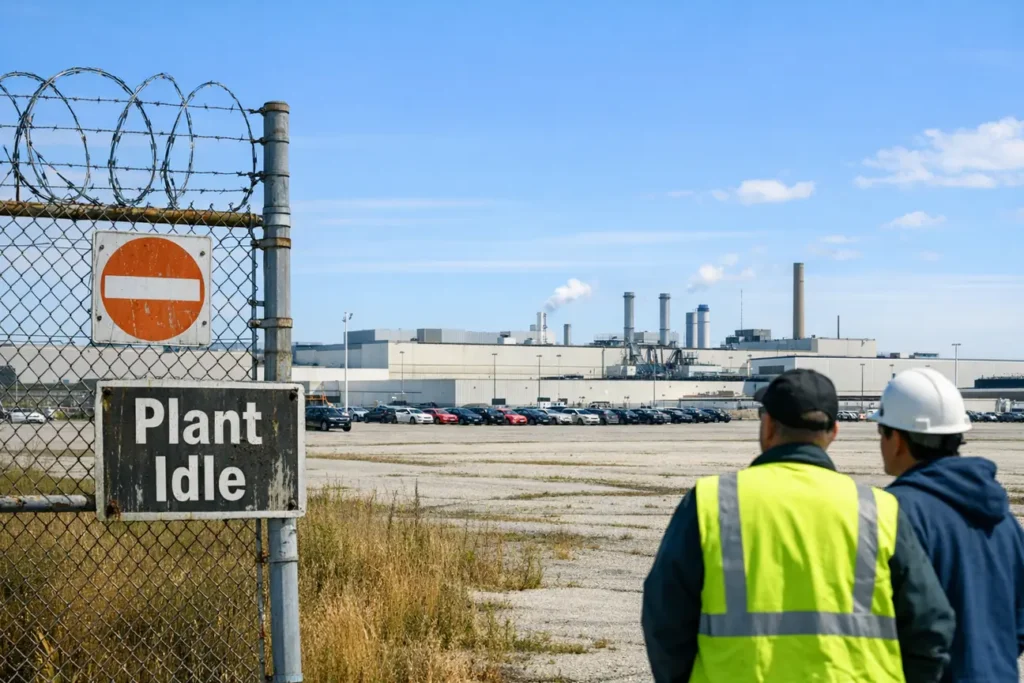
The outlook anticipates a “high-15-million-unit” U.S. sales environment in 2026—stable volumes but tighter margins. Affordability constraints and persistent shocks (tariffs, incentive resets, rates) are becoming structural, elevating disciplined process over one-off tech deployments.
What “AI as the operating system” means
- Capture shopper context once (intent, trade-in, payment comfort, timing) and carry it across every handoff (web, BDC, sales, F&I, service).
- Turn decisions into repeatable, measured playbooks for pricing, merchandising, next-best actions, and follow-up standards.
- Eliminate friction from lost handoffs, repetitive inquiries, and delayed follow-ups that cause avoidable leakage.
- Instrument processes to make consistency visible and improvable across rooftops.
Five trends that will move dealer P&Ls in 2026
- Standardized playbooks: Large groups will codify lead handling, pricing/merchandising, and compliance guardrails across stores. Independents can compete with simple AI that reduces manual work without heavy overhead. Consistency beats tool-chasing.
- Omnichannel execution: Dealers will remove “context resets” so customers don’t repeat themselves when moving between online and in-store or across departments, reducing broken handoffs and rework.
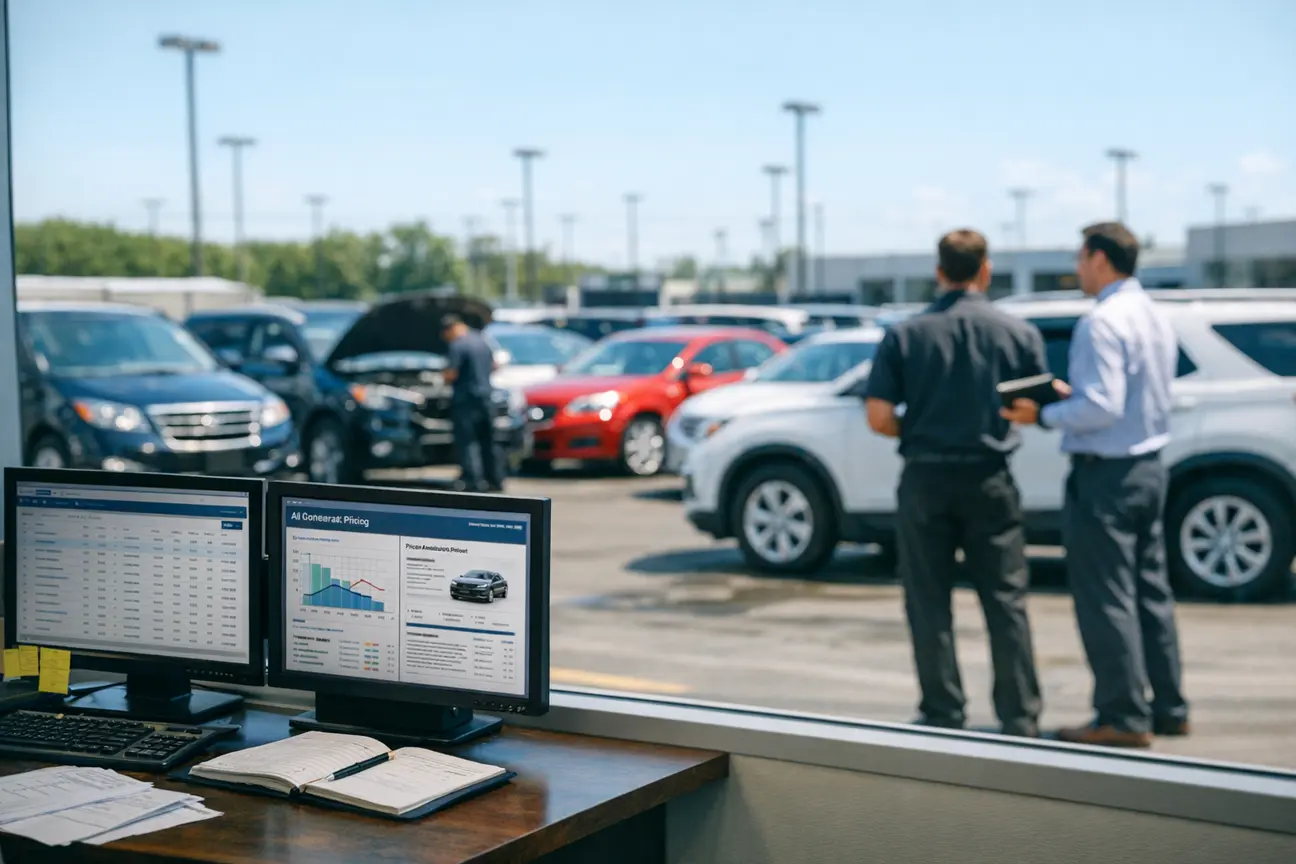
- Used inventory optimization loop: AI will compress time-to-frontline, standardize merchandising, and drive dynamic pricing responsive to engagement and market shifts—proving value via faster cycles and improved conversion.
- AI-augmented teams: Throughput, not headcount, is the constraint. Clear usage metrics, coaching loops, and copilots will strip low-value tasks so staff focus on judgment, trust-building, and closing.
- Volatility as a forecasting problem: AI will simulate affordability impacts, reprice faster, and surface the levers (discounts, financing, merchandising) that change behavior without burning margin—continuous optimization over reaction.
Additional operational implications
- Workflow continuity: Most stores have software; the gap is end-to-end processes that carry forward what the customer shared and what the store knows.
- Used vehicle lifecycle: Link appraisal, recon, photography, listing, and pricing updates to keep aging inventory visible and competitive without manual batch updates.
- Compliance and risk: Embed guardrails in playbooks and use AI to enforce SLAs on follow-up, pricing discipline, and disclosures, reducing variance and leakage.
- Coaching over mandates: Define usage metrics for copilots, review adoption regularly, and measure gains in quality touches per person and fewer dropped steps.
- Response muscle: Treat tariffs, incentives, and rate moves as inputs for scenario runs that guide timely, margin-aware decisions.
Bottom line
2026 leadership looks instrumented, standardized, and orchestrated. Loud AI adoption won’t guarantee wins; disciplined operators will. AI won’t replace dealerships—it will replace the dealership’s friction.