
Summary
Auto Trader’s No Driver Left Behind 2026 report highlights a pronounced income-driven gap in the U.K.: lower-income households are far less likely to consider an EV than higher earners. The report urges the industry to widen lower-cost choices and improve charging access for drivers who can’t charge at home.
Key stats
-
48% of households earning under £40,000 would consider an EV for their next car.
-
73% consideration among households above £40,000; 84% among those earning over £80,000.
-
70% of lower-income households have a driveway, indicating off-street parking isn’t the decisive barrier.
Main barriers and levers
-
Affordability (price): A shortage of EVs at lower price points limits consideration among sub-£40k households.
-
Transparency: Clear, standardized battery health information to build confidence, especially in used EVs.
-
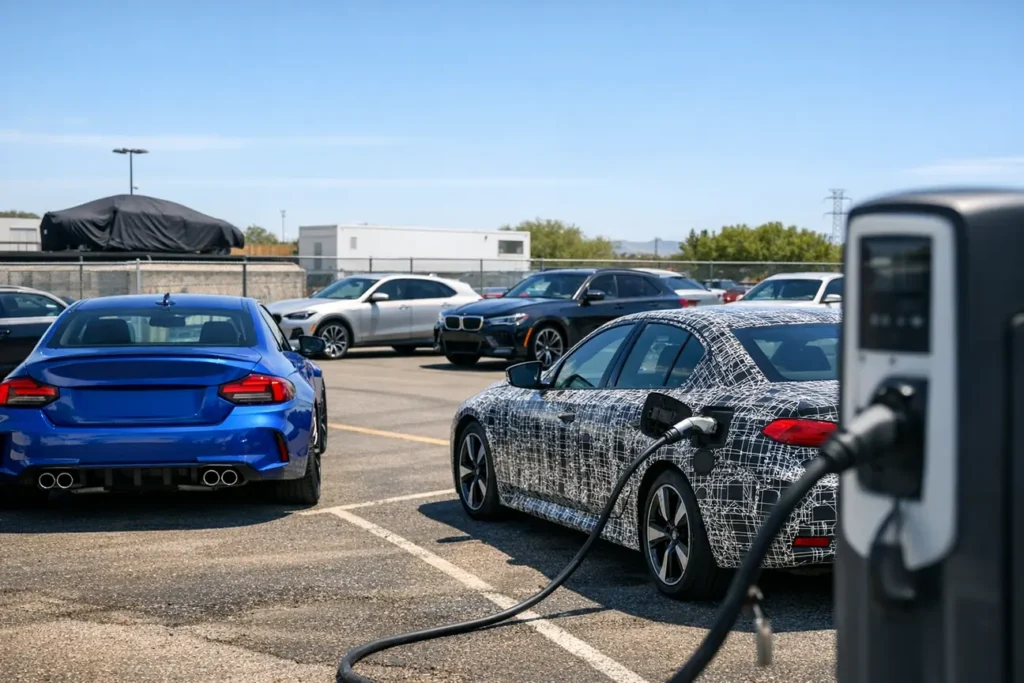
Infrastructure: Practical, convenient charging for people without private parking (on-street and destination options).
Implications for retailers and manufacturers
-
Mass-market dealers may struggle to convert interest without lower-priced models and clear running-cost assurances.
-
Verified battery metrics can reduce uncertainty on longevity and resale value, supporting used EV sales.
-
Charging partnerships and access solutions are key to broadening adoption beyond affluent, driveway-owning buyers.
Market context from recent Motor Trader coverage
-
Used EVs saw the largest price falls in 2025, potentially improving entry costs for second-hand buyers.
-
Arnold Clark plans £30 million investment in 50 ultra-rapid charging hubs, signaling retail-led infrastructure growth.
-
Concerns persist over a possible pay-per-mile tax dampening EV demand and body shops’ capacity for EV crash repairs.
Suggested actions
-
Expand availability of lower-priced new and used EVs aligned to sub-£40k household budgets.
-
Provide consistent battery health documentation and transparency at point of sale.
-
Offer charging solutions for drivers without driveways (access to local hubs, bundled charging packages).
-
Communicate total cost of ownership clearly to build confidence among value-focused buyers.
Bottom line
Off-street parking matters but isn’t determinative for lower-income households—many already have driveways. Closing the gap in EV consideration hinges on price, battery transparency, and practical charging, turning EVs into a credible option for more than just higher earners.