
Summary
General Motors is recording approximately $7.1 billion in fourth-quarter charges tied to scaling back electric-vehicle (EV) capacity and canceling its BrightDrop electric van. The reset reflects softer-than-expected EV demand, operational bottlenecks in ramping the Ultium platform, and a strategic shift to align investments and production with nearer-term market realities.
Key takeaways
- The charges relate to adjustments in GM’s EV production footprint and the wind-down of the BrightDrop electric commercial van program.
- A detailed breakdown of the charges was not provided; such charges typically include asset write-downs, restructuring costs, and supplier or contract-related expenses.
- GM has moderated EV timelines and re-sequenced factory conversions amid cooling demand and early-stage manufacturing constraints, including battery module production bottlenecks.
- The move mirrors broader industry recalibration, with several automakers delaying EV launches, trimming near-term targets, or emphasizing hybrids.
BrightDrop and EV strategy context
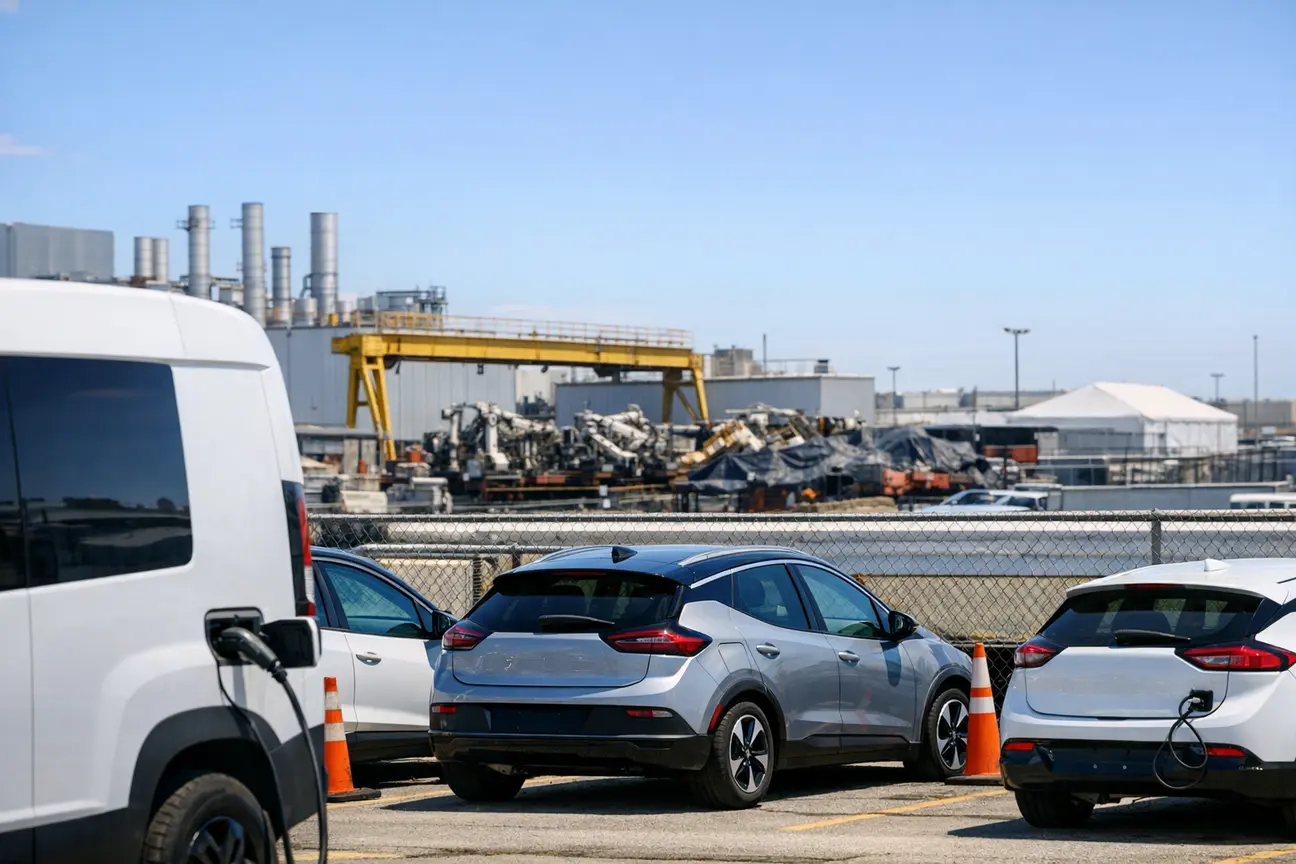
Launched in 2021, BrightDrop targeted last-mile logistics with Ultium-based electric delivery vans built at GM’s CAMI Assembly plant in Ingersoll, Ontario. In 2024, GM folded BrightDrop into Chevrolet as part of a commercial portfolio restructuring, and in October it halted van production due to weaker-than-expected demand. Redeployment of CAMI’s EV tooling and lines remains unspecified, a factor likely contributing to the charges.
Market backdrop
- Commercial EV adoption remains promising but uneven; fleets weigh total cost of ownership, reliability, service networks, charging access, and residual values.
- Infrastructure buildout, staff training, and operational integration timelines are slowing some large-scale fleet transitions despite incentives such as the U.S. commercial clean vehicle tax credit.
- Industry participants are pacing capital outlays while improving charging experiences and pursuing more cost-effective battery chemistries.
Financial and operational implications
- The charges will weigh on Q4 results, though many such items are often noncash and tied to impairments and restructuring.
- GM is right-sizing EV capacity to focus on models with clearer near-term demand and profitability while supporting profitable ICE vehicles that fund the transition and meeting tightening regulations.
- Repurposing facilities and equipment, such as at CAMI, can be complex and costly, influencing the magnitude and timing of charges.
What to watch next
- GM’s Q4 earnings release for a breakdown of the charges by impairments, contract costs, and other items.
- Details on affected plants/programs and the revised production outlook for key Ultium-based EVs (e.g., Cadillac Lyriq, GMC Hummer EV, Chevrolet Blazer EV and Silverado EV).
- The cadence for launching mainstream Chevrolet EVs, a linchpin for scale and cost reduction.
- Plans for redeploying CAMI Assembly capacity and updates on battery cost trends and charging infrastructure improvements.