
Overview
U.S. electric-vehicle sales slumped sharply in the fourth quarter of 2025 after federal incentives were revoked in October, yet the full year finished only slightly below 2024. Cox Automotive reports EV sales fell 2% year over year to just under 1.30 million, with market share easing to 7.8% from 8.1%. Despite a weak finish, 2025 was the second-best year on record for EV sales, reflecting demand concentrated before the policy change.
2025 by the numbers
- Full-year EV sales: just under 1.30 million (-2% YoY).
- EV market share: 7.8% (down from 8.1% in 2024).
- Q4 sales: 234,000 (down 46% vs. record Q3; down 36% vs. Q4 2024) — weakest since Q4 2022.
- EV share peaked at 10.5% in Q3; slipped to 5.8% in Q4 (similar to early 2022 levels).
- Lowest quarterly EV total in three years, underscoring sensitivity to incentives.
Automaker performance
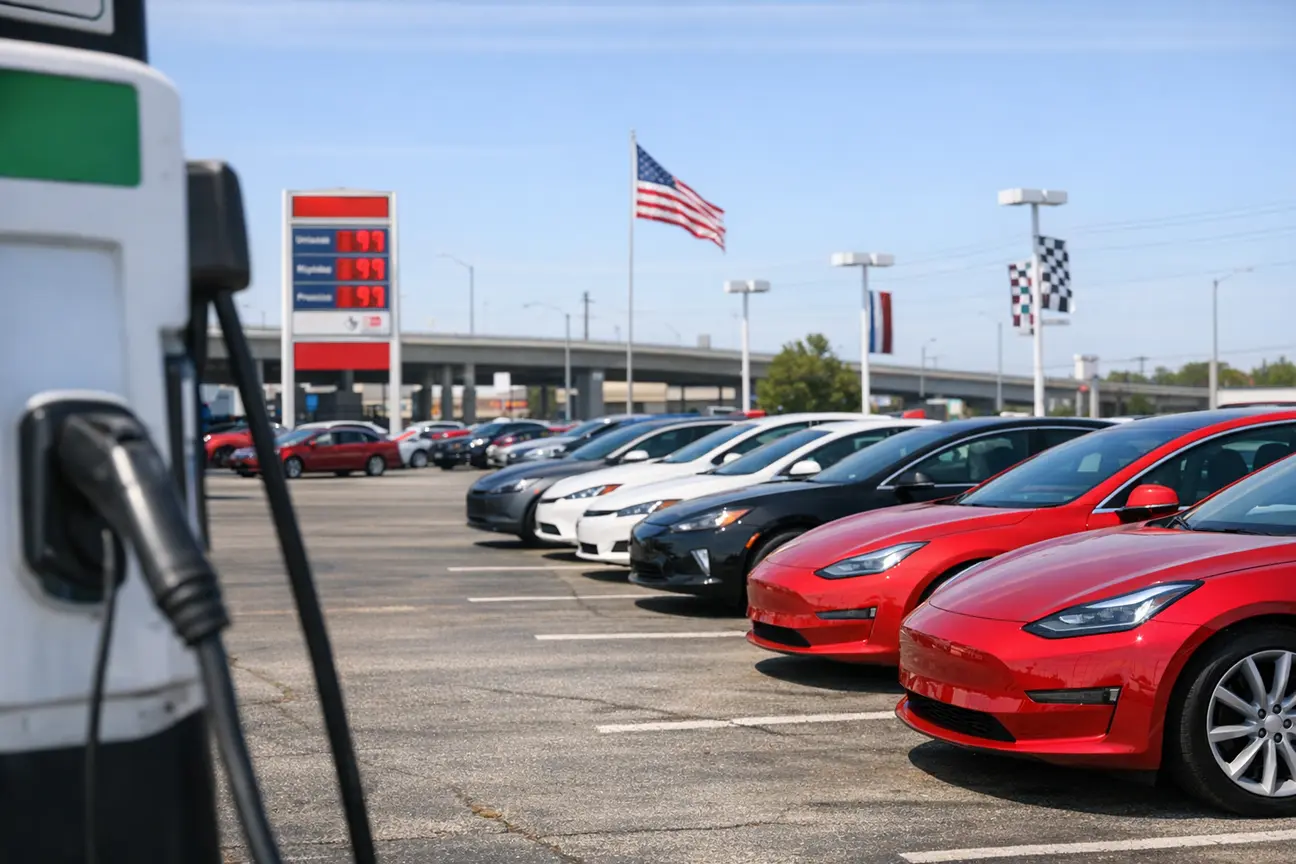
- Tesla: 589,000 EVs in 2025 (-7% YoY; ~44,000 fewer), still nearly half of all U.S. EV sales, led by Model 3 and Model Y.
- General Motors: over 150,000 EVs (+48% YoY), ~13% share, with Chevrolet and Cadillac driving gains.
- Tesla remains dominant but off its 2023 peak; GM’s growth broadened competition even as volumes trail Tesla.
What changed in Q4
Federal EV sales incentives ended in October, pulling demand into earlier months and creating a fourth-quarter gap. Cox Automotive characterizes this not as fading interest but as a structural transition toward a market more driven by consumer choice than policy boosts.
Outlook for 2026
- EV share expected to hover near 8% as the market matures.
- Key drivers: expanding model availability across price points, improving charging reliability, and ongoing battery performance and cost advances.
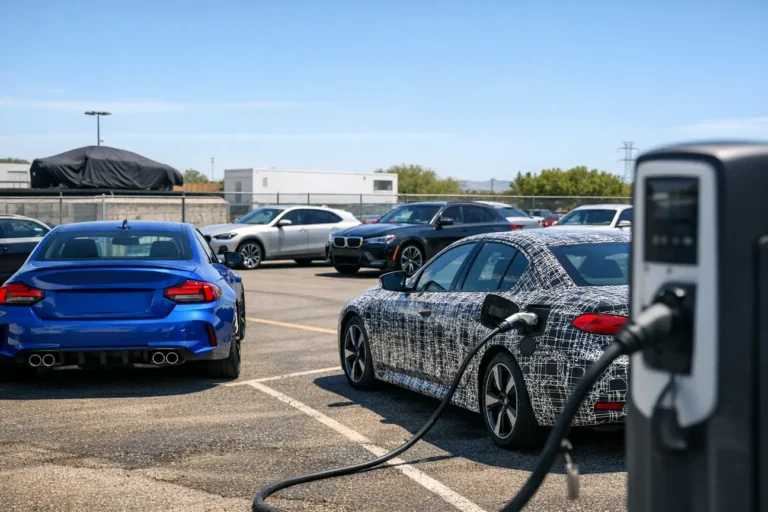
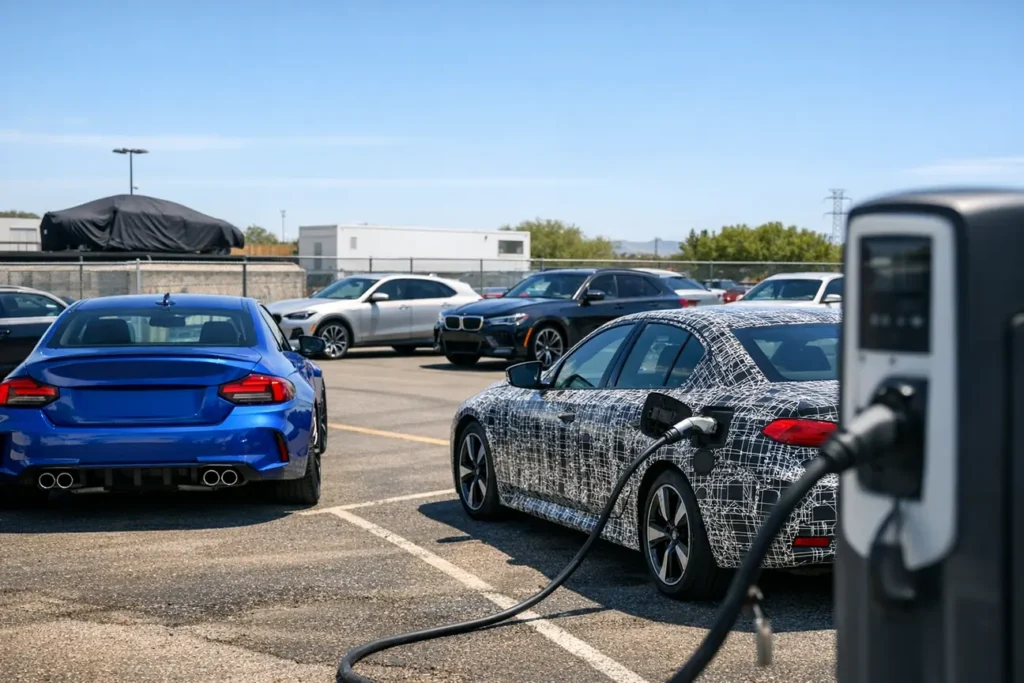
- Models to watch: 2026 Chevrolet Bolt, Rivian R2, and new BMW EVs including the BMW iX3 SUV.
Policy backdrop
Recent signals from the current administration suggest less regulatory pressure on fuel economy and emissions, placing more of the EV adoption pace in the hands of automakers and consumers. Even so, Cox Automotive expects long-term growth supported by product innovation and infrastructure buildout—and cautions that shifts in incentives can rapidly reshape buying patterns.
Bottom line
2025 was bifurcated: a record-setting Q3 followed by a Q4 pullback that trimmed, but didn’t erase, gains—leaving full-year sales near record levels. With broader model choice and improving charging ahead, Cox Automotive’s view centers on steady, incremental growth rather than incentive-driven surges.