
Summary
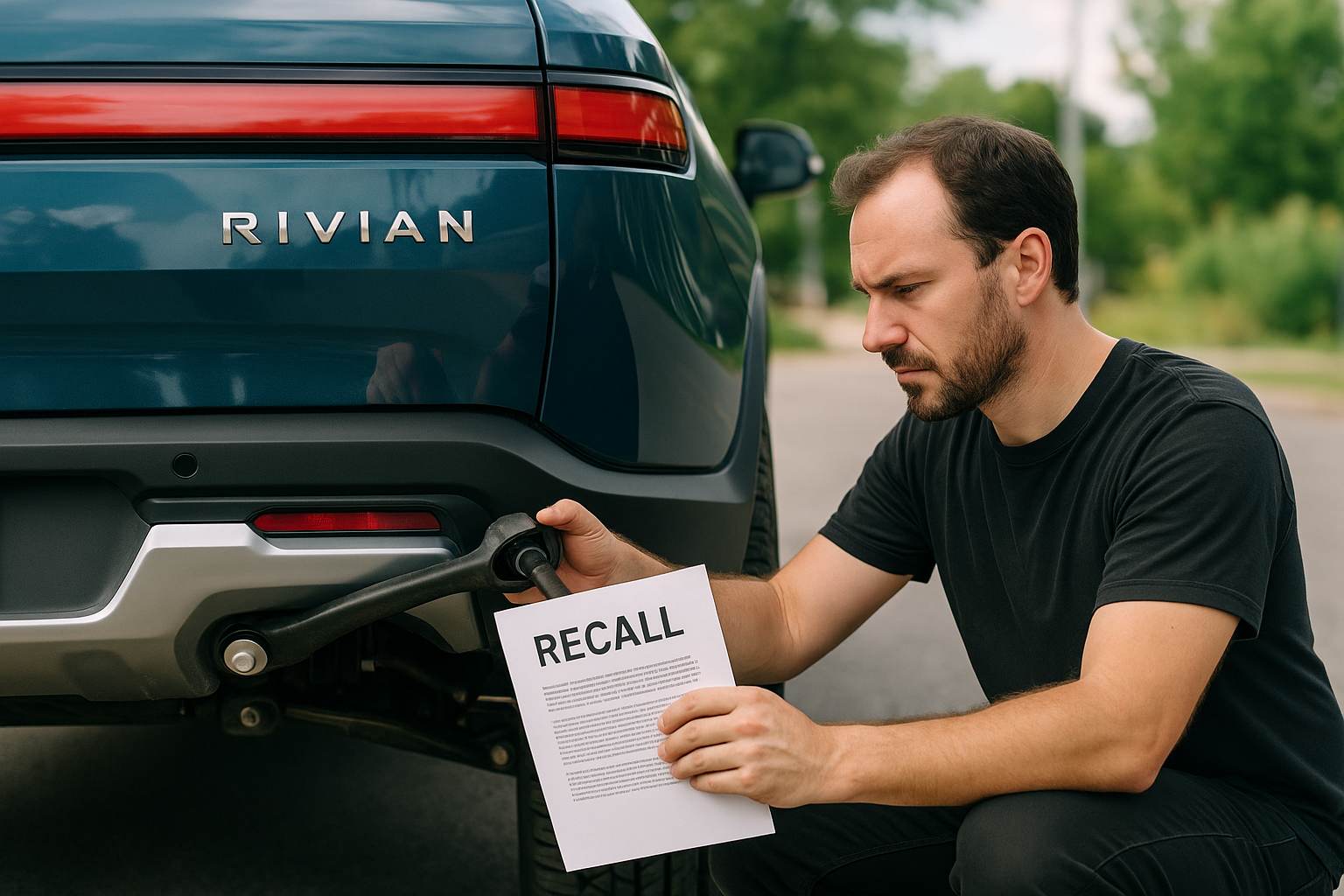
Rivian is conducting a targeted safety recall of 19,641 R1S and R1T vehicles after determining that a previous rear suspension service method could leave the rear toe link joint improperly reassembled, which increases crash risk. The campaign applies only to certain 2022–2025 model-year vehicles that received rear suspension work between April 1, 2022, and March 10, 2025. Rivian reports one related single-vehicle crash with minor injuries and no listed advance warning signs.
Which vehicles are included
- Model years: 2022–2025 Rivian R1T and R1S.
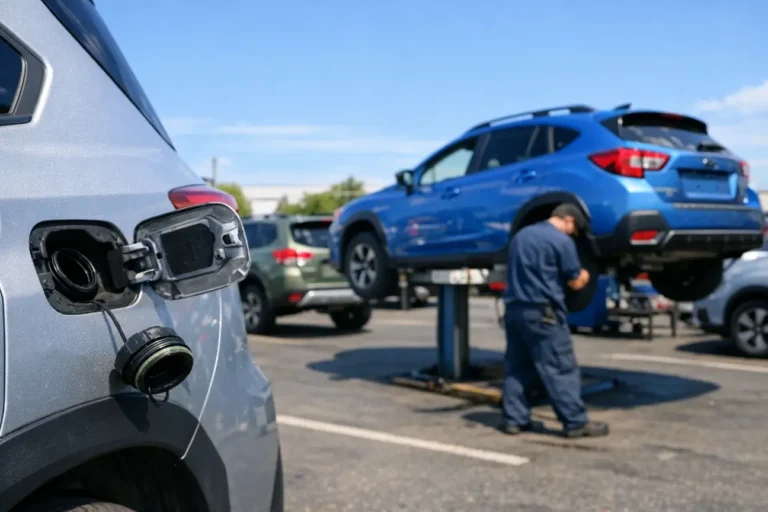
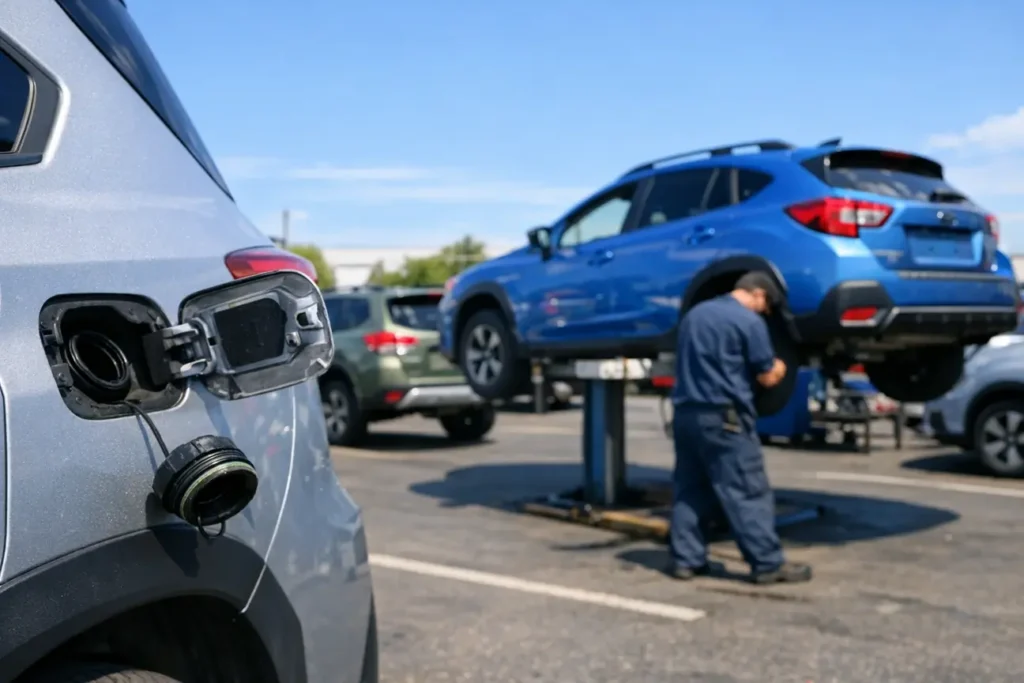
- Service-history based: vehicles that had rear suspension work during Apr 1, 2022–Mar 10, 2025 using an older service method that involved separating/reassembling the rear toe link joint.
- Counts: 7,031 R1S and 12,610 R1T vehicles.
- Not included: vehicles that did not receive the covered suspension service during that window.
The defect and risk
The rear toe link helps maintain rear wheel alignment. If the joint separates after improper reassembly, alignment can be lost abruptly, compromising handling and stability and raising crash risk. The filings note no warning symptoms or dash alerts before a failure.
Incidents reported
Rivian cites one known crash tied to the condition, a single-vehicle incident with minor injuries. No additional incidents are listed.
Remedy and timeline
- Remedy: replace potentially affected rear toe links and reassemble using Rivian’s updated procedure.
- Owner notifications begin on February 24, 2026.
- VIN lookups: VINs will be searchable in NHTSA and Rivian systems starting the same date.
- Until then: Rivian plans to replace toe links on vehicles it identifies as potentially affected.
What owners should do
- If your R1T or R1S had rear suspension work between Apr 2022 and Mar 2025, watch for a mailed owner notification.
- On or after Feb 24, 2026, check your VIN through NHTSA’s database or Rivian to confirm recall status and remedy completion.
- If you are unsure about your vehicle’s service history, contact Rivian to review records.
Context
This recall stems from a service procedure rather than a factory build defect. Automakers routinely update service instructions; when older methods introduce risk, manufacturers must identify affected vehicles and provide corrective repairs. Federal rules require VIN-based recall details to be publicly available once owner letters are mailed.