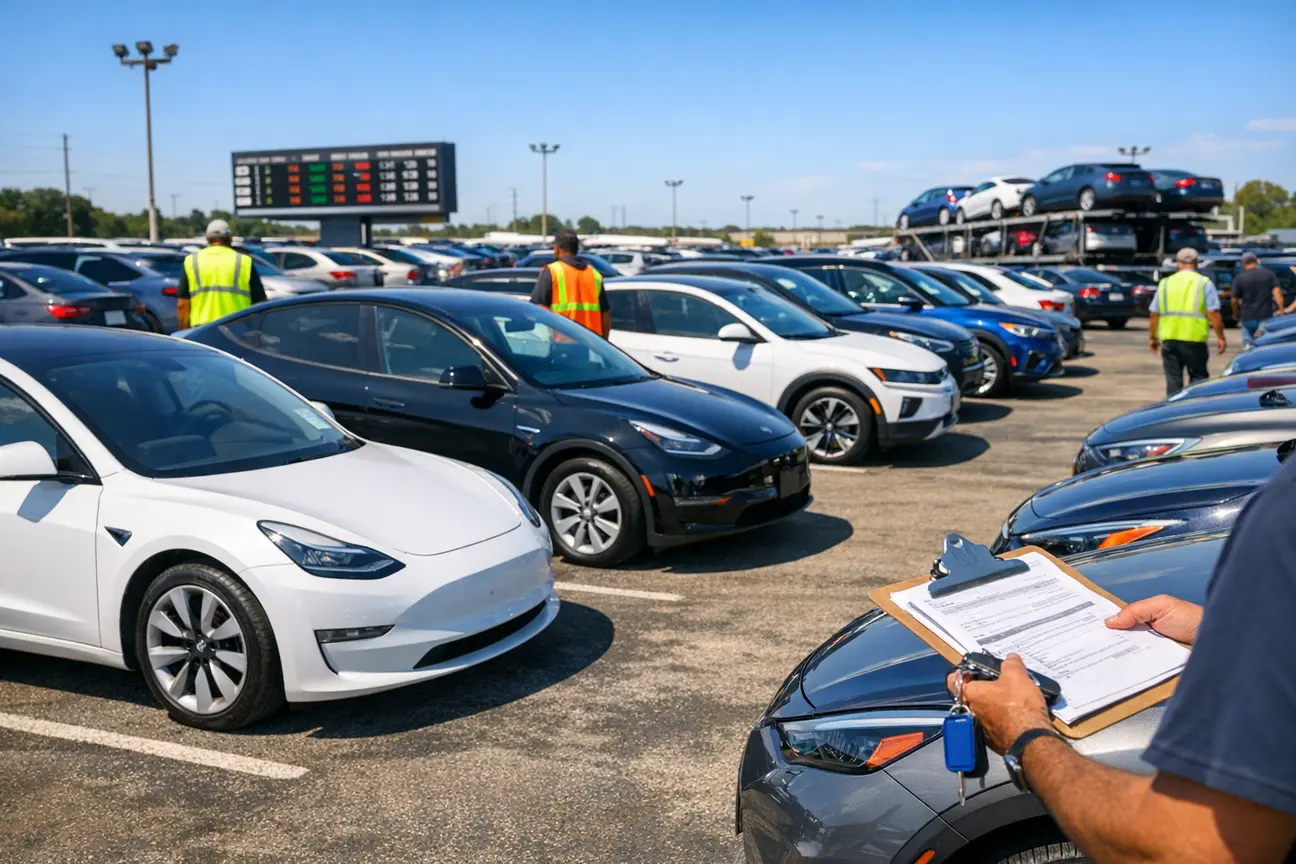

What’s Changing in the Used EV Market in 2026
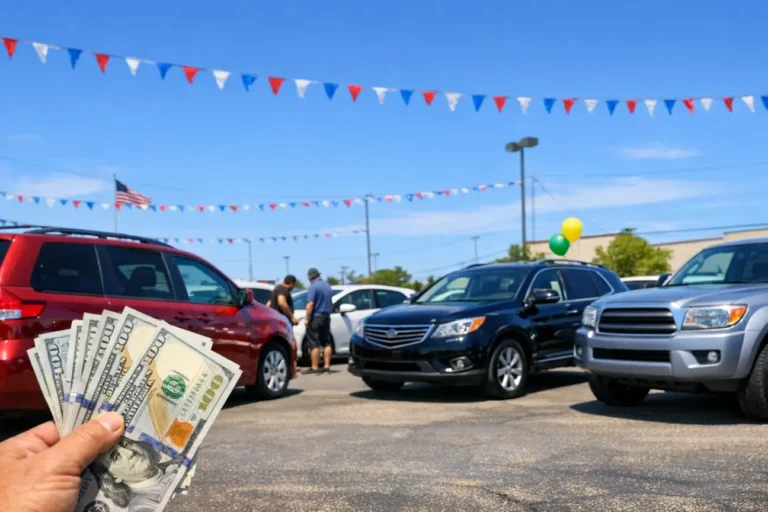
A large wave of off-lease electric vehicles will start hitting used lots beginning in April 2026, expanding supply and putting downward pressure on prices. Elevated EV leasing from 2023–2025—boosted by a $7,500 pass-through incentive—sets the stage for a markedly different used-market dynamic than during the pandemic.
Why a Wave Is Coming
- Over 1.1 million EVs were leased from Jan 2023–Sep 2025, often on 36-month terms.
- The Commercial Clean Vehicle Credit (IRS 45W) let lenders apply $7,500 to leases, cutting monthly payments and lifting EV lease share.
- Leasing grew to nearly 50% of EV sales by Q2 2024; about 58% by Q2 2025.
- Unlike 2020–22, residual values now often exceed market prices, so more lessees will return vehicles rather than buy them.
Auction and Supply Forecasts
- Manheim EV share is expected to rise from ~5% to ~15% between Sep 2025 and Sep 2026.
- EVs as a share of lease turn-ins: just under 5% (2025), ~12.5% (2026), nearly 19% (2027).
- California already shows ~20% EV volume at Manheim auctions.
Models You’ll See Most
- Tesla Model Y, Tesla Model 3
- Hyundai Ioniq 5, Volkswagen ID.4, Ford Mustang Mach-E
- Plug-in hybrid leader: Jeep Wrangler 4xe
Price Effects
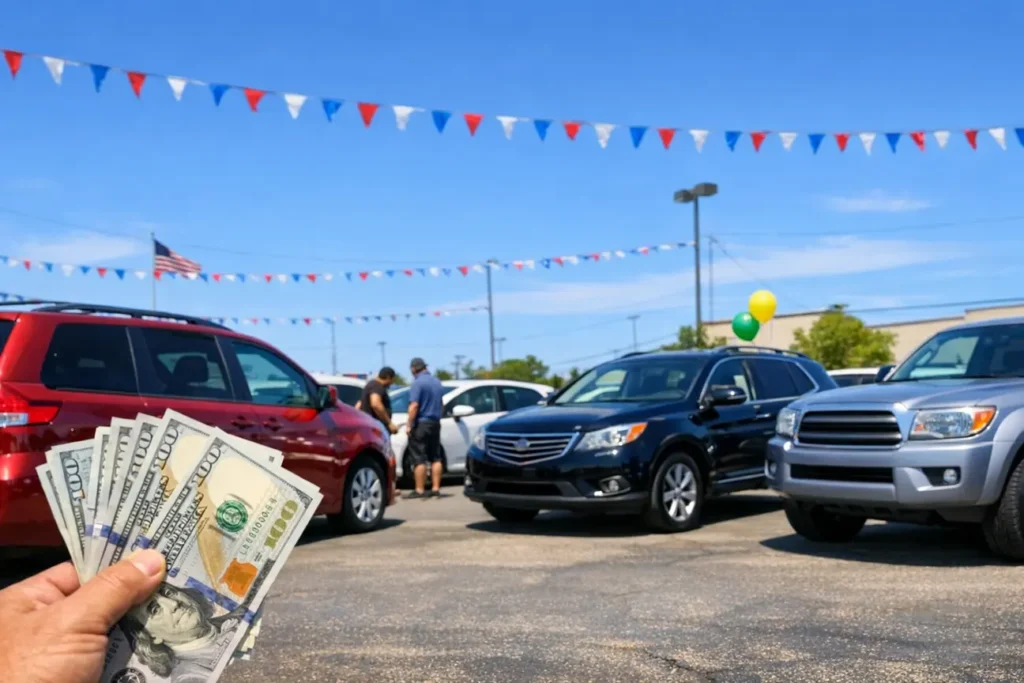
- More off-lease EV supply typically reduces wholesale values and pressures retail prices lower.
- Gasoline models will be a smaller slice of returns, which could firm their prices relative to EVs—making used EVs look even more affordable.
How Automakers and Lenders May Respond
- Encourage lease extensions to slow returns.
- Offer buyouts below contractual residuals when model-specific volumes are high.
What Dealers Should Prepare For
- Position certified pre-owned EVs with battery warranties.
- Use battery health and range reporting tools to set expectations.
- Train staff on charging (home/public), incentives, and dual-fuel household needs.
- Address range anxiety with demos, social proof, and ownership onboarding.
Tips for Current Owners and Shoppers
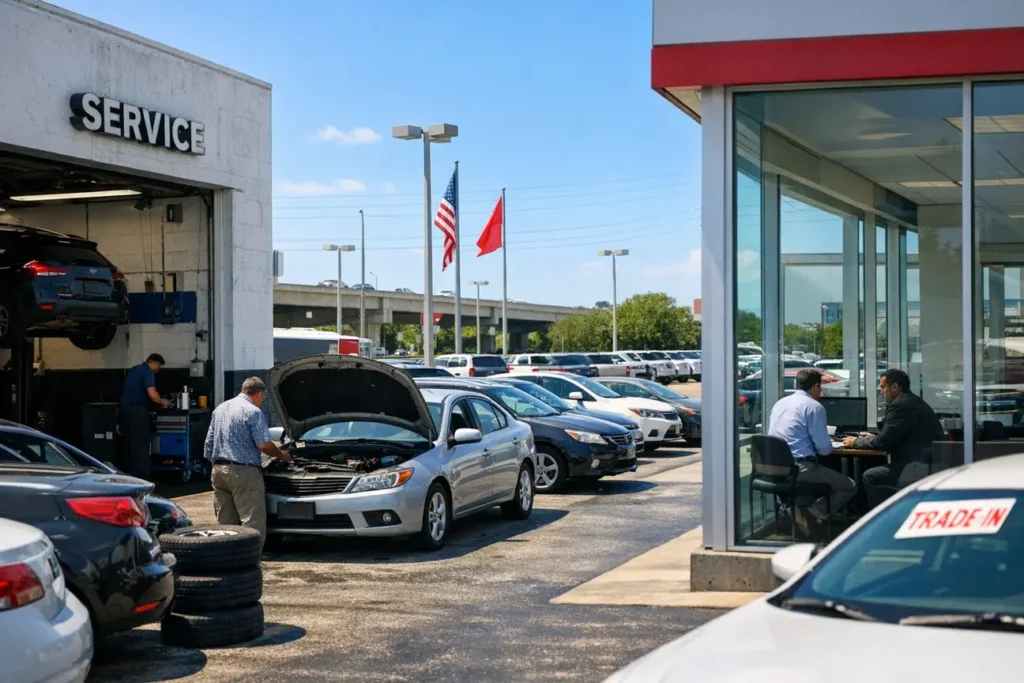
- If you plan to trade an owned EV, consider doing so sooner; popular models (e.g., Model Y, Nissan Leaf) may depreciate faster as supply builds.
- Shop CPO programs that include high-voltage battery coverage.
- Compare total cost of ownership and local fuel/electricity costs; factor potential stronger pricing for used gas cars.
- Evaluate regional charging infrastructure and local demand when pricing or negotiating.
Regional Dynamics
Markets with mature charging networks and high EV familiarity (e.g., California) are likely to absorb returning EVs faster with more aggressive pricing. Regions with fewer EV buyers may require deeper discounts and more education to move inventory.
The aftereffects of the 2023–2025 lease incentive will shape used EV supply through 2026 and into 2027. The next key milepost arrives in April when the first large cohort of 36‑month leases returns in earnest.